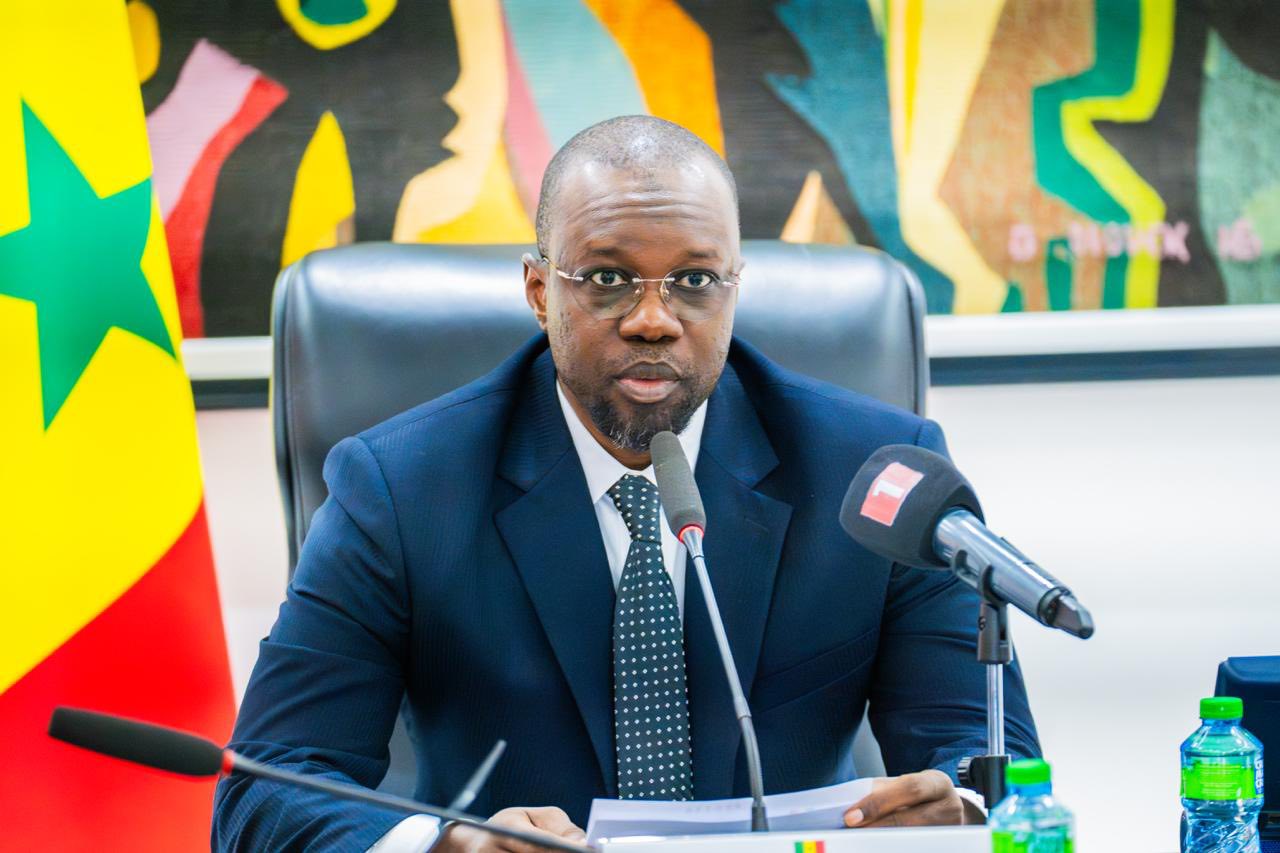

During a high-level interministerial meeting on infrastructure, Senegalese Prime Minister Ousmane Sonko openly questioned the pace of judicial accountability in the country. Addressing Justice Minister Yassine Fall, he expressed frustration over the absence of prosecutions despite significant financial discrepancies and mismanagement in public projects.
The Prime Minister’s remarks came as Minister Fall presented updates on structural deficiencies and irregularities in construction initiatives. After her statement, Sonko directly challenged her, questioning the effectiveness of the justice system. « What is justice doing? Sometimes, I have doubts. Is this level of effort truly necessary? » he queried, according to on-site reports.
He went further, condemning what he described as systemic protection for wrongdoers. « In this country, you can do whatever you want and still feel secure. The system remains untouched—people have acted recklessly, billions have been squandered, yet no legal consequences have followed, » he declared.
Sonko emphasized that the current administration was elected to hold individuals accountable. « If this continues, it’s pointless. We shouldn’t keep asking Senegalese citizens to reinvest in the same projects while others have misused billions and roam freely, » he asserted. His frustration extended to scandals within the judiciary itself, questioning how justice could be restored if the sector itself is compromised.
Minister Fall responds with assurances
In her reply, Minister Fall acknowledged structural challenges but reassured Sonko of her ministry’s commitment to pursuing accountability. « We are working tirelessly to ensure those responsible face consequences, and with determination, we will achieve results that satisfy the Senegalese people, » she stated.
However, Sonko pressed further, stressing that renegotiating contracts for new prison facilities should not overshadow the need to identify and sanction responsible parties, including ministers and directors from past and present administrations. « Accountability must be established, and penalties must be enforced, » he insisted, even accusing what he termed as « judicial sabotage. »
The Prime Minister demanded transparency, requesting a detailed breakdown of each case to be made public. « These cases do not belong to magistrates or officials—they belong to the Senegalese people, » he declared firmly. « Soon, we will raise our voices collectively because no single individual, regardless of their position, can claim ownership of these files, » he concluded, signaling a potential escalation in the government’s approach to tackling corruption.



