
Senegal’s shifting political landscape and new economic challenges
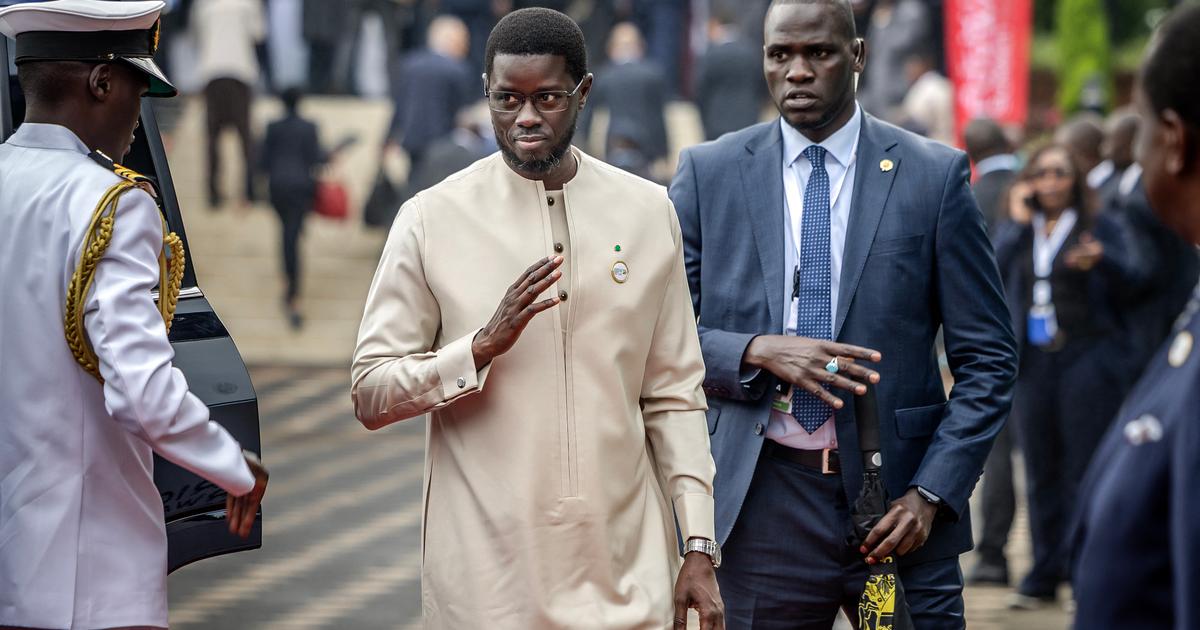
In a span of just four days at the end of May, Senegal witnessed a dramatic reshuffling of its political leadership that left observers questioning the nation’s economic trajectory. On May 22, President Bassirou Diomaye Faye made a decisive move by dismissing Prime Minister Ousmane Sonko, a figure closely associated with the anti-austerity movement. By May 25, the president had appointed Ahmadou Alhaminou Mohamed Lô to replace Sonko, and by May 26, Sonko had been elected President of the National Assembly, signaling a swift realignment of power that few anticipated.
a pivotal moment for Senegal’s economic direction
The rapid succession of events has sparked speculation about whether this reorganization of power could pave the way for a more cooperative stance toward international financial institutions like the International Monetary Fund (IMF). The urgency of the situation cannot be overstated. As one economist recently warned, “Senegal stands on the precipice of a financial crisis.” With public debt soaring to 132% of GDP and debt servicing becoming increasingly precarious—exacerbated by the surge in energy costs due to tensions in the Strait of Hormuz—the country faces mounting economic strain.
facing debt and the imf’s restructuring demands
For months, Senegal’s economic policies have been locked in a standoff with the IMF. The global lender has pushed for structural reforms, including debt restructuring and austerity measures, but these proposals have encountered fierce resistance from political factions, particularly those aligned with the Pastef party. Now, with the political winds shifting, analysts suggest that the new administration may be more open to engaging with the IMF’s recommendations. Whether this translates into concrete action remains to be seen, but the potential for policy change has never been more pronounced.