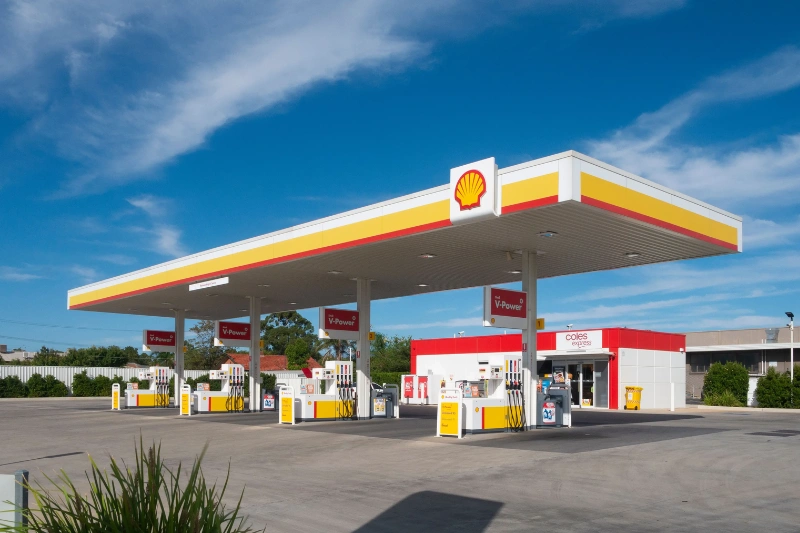

Last week marked a significant milestone for Gabon’s energy sector when Shell and the Ministry of Petroleum formalized a memorandum of understanding. The agreement signals renewed interest from major oil players, following in the footsteps of ExxonMobil and BP, both of which secured offshore exploration deals less than a year ago. While this momentum suggests Gabon is regaining appeal as a destination for deepwater oil investment, a closer examination reveals that the enthusiasm may be premature.
The memorandum, though a positive gesture, remains non-binding. Shell retains the flexibility to walk away without penalties if seismic surveys yield poor results, global oil prices plummet, or more lucrative opportunities arise elsewhere. This isn’t the first time the British energy giant has engaged with Gabon—it operated in the country until its withdrawal in 2017, with a complete exit by 2019. The current return is driven by Shell’s strategic priorities, not benevolence toward Gabon’s economic development.
Yet, Gabon’s government holds a crucial advantage in these negotiations. The key questions now revolve around the terms of the partnership. What percentage of oil revenues will flow back to the state? How many jobs and training programs will be created for Gabonese workers? And perhaps most critically, how will the government manage and invest these funds to ensure long-term benefits instead of short-term spending? It’s worth noting that commercial oil production is still years away—potentially between seven and fifteen years—with the earliest budgetary and employment impacts not expected until 2033 at the earliest.
The road to tangible results is long. Before any oil flows, seismic surveys, appraisal drilling, and the revival of local supply chains must take place. Youth employment initiatives and infrastructure development will also require careful planning and execution. The challenges are substantial, but so are the opportunities.
Gabon isn’t alone in this race. Angola and Nigeria have set benchmarks for maximizing benefits from offshore oil deals, with meticulous negotiations around cost recovery thresholds, profit-sharing structures, transparency, and oversight. The real test for Gabon isn’t attracting Shell—it’s securing terms that ensure these resources translate into sustainable development. Shell, with its experience in similar agreements worldwide, knows this well. The difference will lie in Gabon’s ability to push for more favorable conditions than those that contributed to past failures.