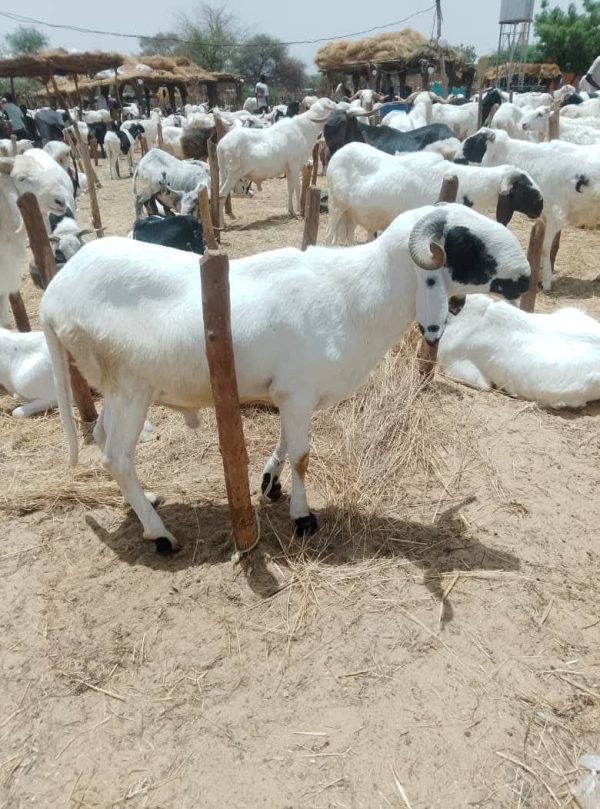

The streets of Niamey are teeming with activity as Tabaski approaches, yet the usual festive atmosphere is overshadowed by a harsh economic reality. Trucks laden with livestock roll into the capital from every corner of Niger, and markets overflow with animals ready for sale. But this year, the law of supply and demand appears to have taken a backseat, leaving consumers grappling with soaring prices.
Niamey — The paradox is striking. While the abundance of sheep in the city is undeniable—from bustling markets to roadside stalls—the cost of these animals has reached unprecedented levels. Last year offered a brief respite, but 2026 has returned to the familiar struggle of inflated prices, forcing families to make tough financial decisions.
prices skyrocket: from affordable to out of reach
Scanning the market stalls, the price tags tell a sobering story. Sheep prices in Niamey now range from 85,000 to 450,000 FCFA, depending on the animal’s quality. The breakdown reveals a stark divide:
- Budget tier (80,000 – 100,000 FCFA): Young lambs or small sheep, barely meeting the basic requirements for the sacrificial tradition.
- Mid-range (120,000 – 200,000 FCFA): The most sought-after category, favored by middle-class families. These animals require significant financial sacrifice but remain the most practical choice.
- Premium tier (250,000 – 450,000 FCFA): Large, prized rams that have become a luxury few can afford in today’s economy.
inflation strikes again: even spices aren’t spared
The surge in livestock prices is only part of the burden. Essential condiments for the Tabaski feast have also seen dramatic price hikes. Dried chili peppers, a staple in Nigerien cuisine, now cost 50% more than just a week ago. A 100 kg sack, once priced at 20,000 FCFA, now sells for 30,000 FCFA. Retail prices for smaller quantities, like the tia (800 grams), have climbed to 1,000 FCFA.
families caught between tradition and financial strain
« You see sheep everywhere, but the prices don’t budge, » laments one frustrated shopper near a roadside market. The sentiment is widespread across Niamey. As Niger’s most significant Muslim holiday approaches, the weight of inflation is squeezing household budgets to their limits. Despite the visible abundance of livestock, speculation and last-minute demand are pushing prices higher, leaving many families with no choice but to scale back their celebrations.
For countless households in Niger, Tabaski 2026 is shaping up to be a season of difficult compromises, where tradition clashes with economic hardship.