
The human cost behind the Sahel’s exclusive Russian partnership
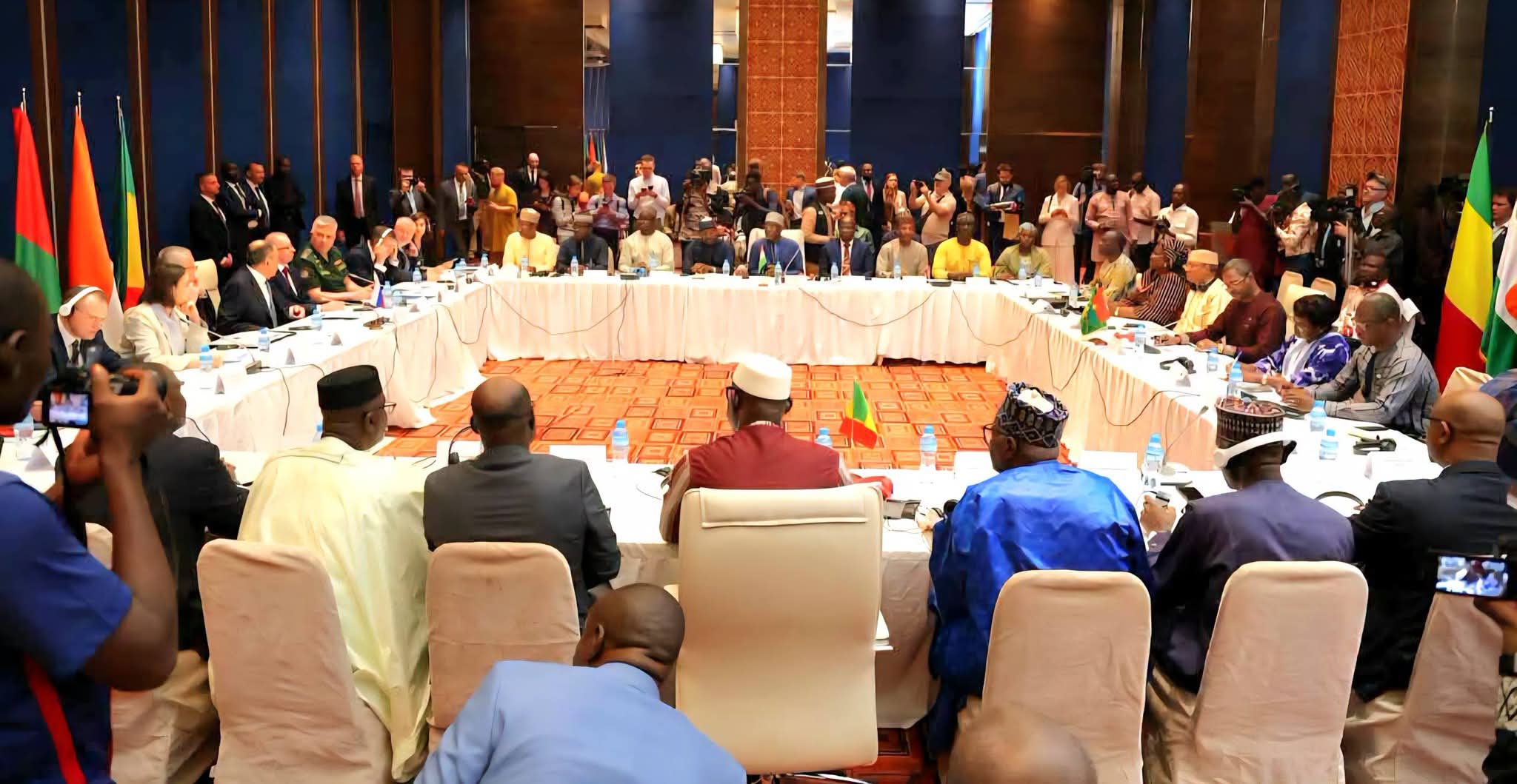
Moscow has reaffirmed its commitment to bolstering military support for Mali, Burkina Faso, and Niger through the Alliance of Sahel States (AES). For the region’s ruling juntas, this alliance symbolizes a reclaiming of sovereignty and a definitive break from traditional Western partners. Yet, beneath the political rhetoric lies a stark and unsettling reality: violence continues to escalate, and civilians bear the heaviest burden.
A security promise that remains unfulfilled
The AES leadership justified its pivot toward Moscow by promising swifter and more effective counterterrorism results. Years later, however, the outcome is far from encouraging. Despite an influx of advanced weaponry, drones, and training, armed attacks have not abated. Military outposts remain under siege, villages live under perpetual threat, and thousands of families are uprooted from their homes.
Data from conflict tracking initiatives indicates that in 2025 alone, over 10,000 lives were lost in Burkina Faso, Mali, and Niger due to political violence, reinforcing the Sahel as one of the world’s most volatile conflict zones.
Humanitarian catastrophe deepens as insecurity persists
The crisis has evolved into a full-blown humanitarian disaster. Over five million people have been forcibly displaced across the Sahel, their lives upended by relentless violence. Schools shutter their doors, leaving a generation without education, while medical services vanish from the most embattled regions. Each attack triggers fresh waves of displacement, abandoned villages, and paralyzed economies, plunging communities further into despair.
The escalating financial strain of prolonged conflict
War exacts a heavy economic toll. National budgets strain under the weight of rising military expenditures, arms procurement, and security operations. Meanwhile, essential services—healthcare, education, agriculture, and infrastructure—struggle for funding. Governments face an impossible choice: sustain military campaigns or invest in long-term stability by addressing the root causes of insecurity.
Strategic dependence: the paradox of sovereignty
As violence persists, so too does the need for external support. The deeper the crisis, the more reliant the AES states become on their Russian partners for weapons, training, and strategic guidance. This growing dependence raises a critical question: Can a strategy that hinges on foreign military assistance truly be framed as a restoration of national sovereignty?
Russia’s expanding footprint in the Sahel
Moscow has emerged as a key beneficiary of this shifting dynamic. Each new military agreement strengthens its diplomatic influence across Africa. Arms deliveries extend its strategic reach, while security partnerships deepen its alliances in a region rich in gold and uranium. Beyond the battlefield, Russia is also carving out political, economic, and informational influence, positioning the Sahel as a cornerstone of its African strategy.
Political victory over military success?
The juntas initially framed their alignment with Moscow as the decisive solution to terrorism. Yet years later, the human toll remains devastating. While the alliance cannot be solely blamed for the Sahel’s complex crisis—rooted in decades of political, economic, and communal tensions—its effectiveness in curbing violence is increasingly in doubt. If this partnership was meant to deliver security, why do civilians continue to suffer staggering losses and forced displacement?
As the conflict grinds on, one truth becomes undeniable: the people of the Sahel are paying the highest price. While families mourn their dead, villages empty, and millions flee their homes, Russia solidifies its strategic foothold in the region. The paradox is clear—escalating violence only deepens dependence on Moscow, even as tangible security gains for the people remain elusive.