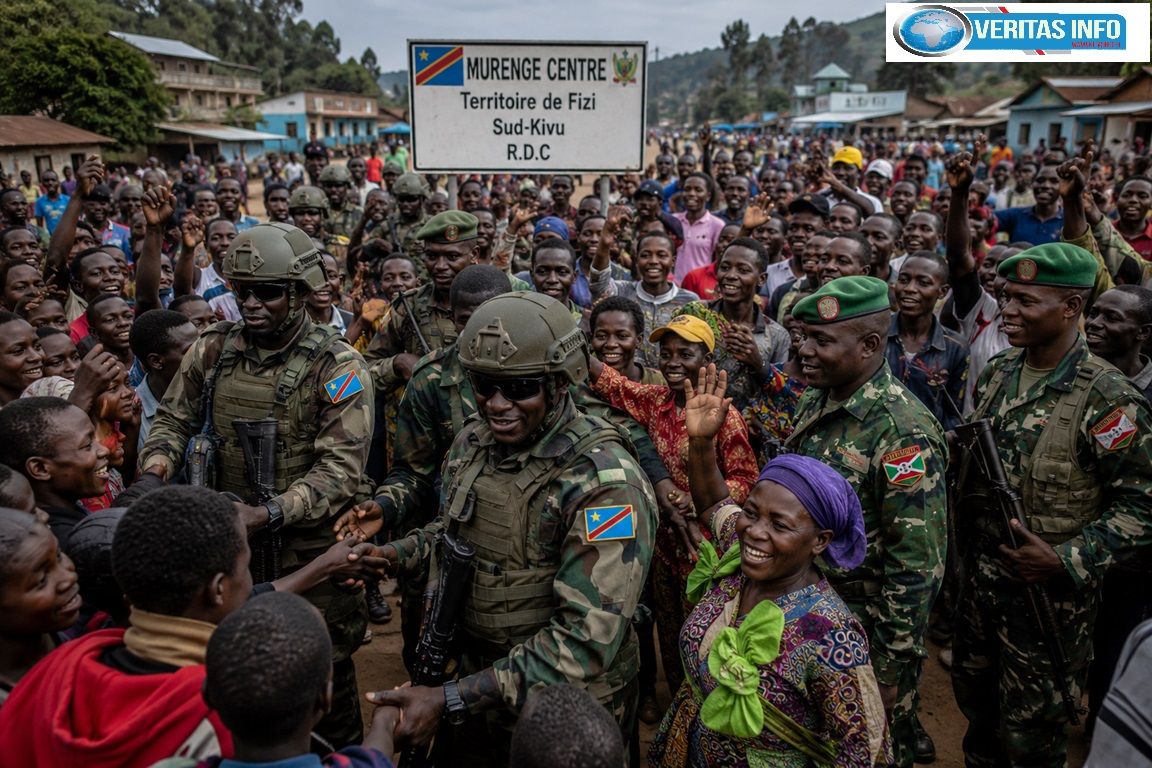

The confrontation at Minembwe has transcended a simple local clash between rival factions. It has emerged as a primary symbol of the power struggle in the eastern Democratic Republic of Congo (DRC), pitting government forces supported by Burundi and Wazalendo militias against the Twirwaneho and AFC/M23 rebel movements, which Kinshasa maintains are backed by Rwanda.
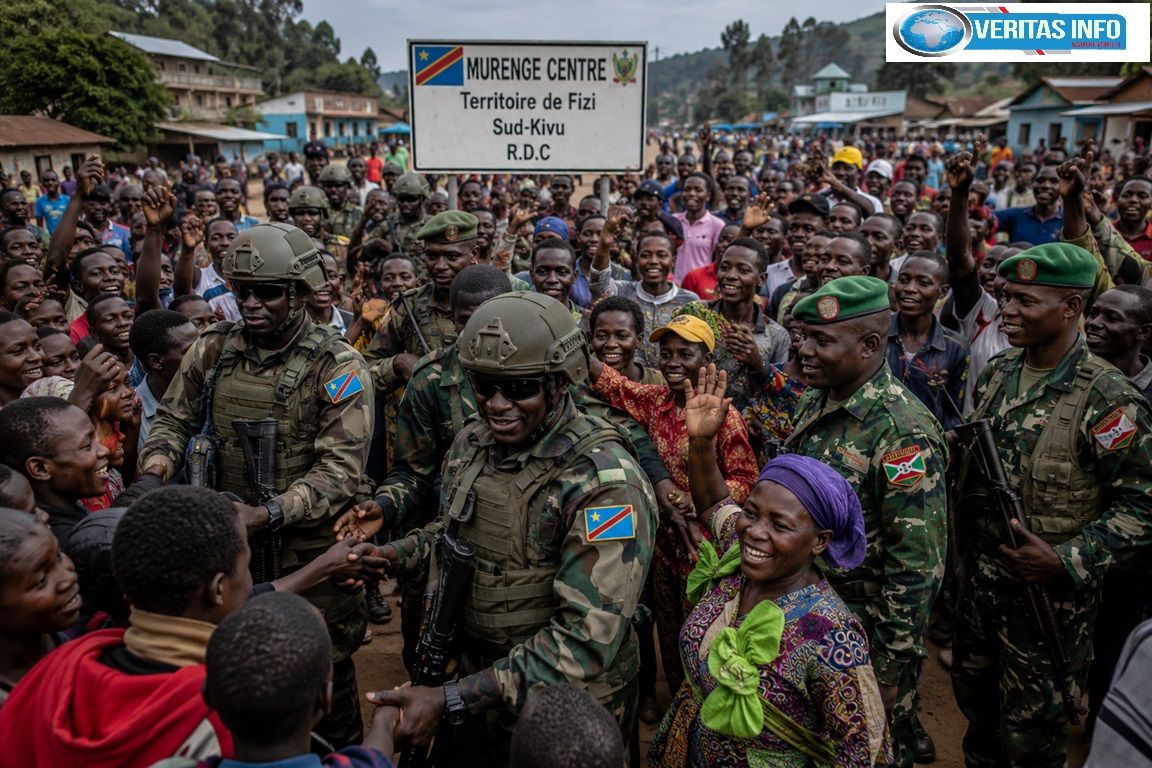
Military authorities confirm that the Armed Forces of the Democratic Republic of Congo (FARDC), with the assistance of the National Defence Force of Burundi (FDNB) and the Wazalendo, remain in control of Minembwe-centre, its airfield, and the surrounding settlements. Kinshasa remains firm on this position, dismissing claims circulating on social media regarding a rebel takeover as mere disinformation.
Beyond the war of words, the stakes are immense. Minembwe holds a critical strategic position within the high plateaus of South Kivu. Commanding this area allows influence over the corridors connecting Fizi and Uvira, as well as several mountainous zones that traditionally serve as logistics hubs or retreat bases for armed groups in the region.
A symbolic victory for Kinshasa
If the FARDC maintains its hold on Minembwe over the long term, it would represent one of the most significant military achievements for the Congolese government in South Kivu in recent months.
For years, Kinshasa has faced criticism for failing to establish lasting authority in the high plateaus. Stabilizing Minembwe would allow the administration of President Félix Tshisekedi to prove that the strategy of partnering with the Wazalendo and coordinating with Burundi can yield tangible results.
In a climate where the Congolese public is demanding clear progress against insurgent groups, such a success would bolster the government’s standing with the population.
Burundi as a key regional player
On a regional level, the deployment of Burundian troops alongside the FARDC highlights the shifting security dynamics within the Great Lakes region.
Bujumbura has positioned itself as an essential military ally for Kinshasa. Strengthening government positions in Minembwe would further increase Burundi’s diplomatic influence in regional security negotiations.
This development could also intensify the strategic competition between Burundi and Rwanda, as the two nations find their security interests increasingly at odds in eastern DRC.
A challenge to the AFC/M23 and Twirwaneho narrative
/image%2F1046414%2F20260621%2Fob_702fb3_bdi-Burundi-iscam-000-05092025-fdnb-79.jpeg)
For the rebel movements, the battle for Minembwe carries heavy symbolic weight. For months, the AFC/M23/RDF has attempted to demonstrate its ability to project power far beyond its traditional strongholds in North Kivu.
Losing control of a high-profile area like Minembwe undermines the narrative of an unstoppable rebel advance. It could also negatively impact the morale of fighters and the support networks that monitor the conflict’s progression through digital platforms.
The intensity of the information warfare seen lately underscores how much each side values public perception. In modern warfare, territorial gains are not only won on the ground but also in the media landscape.
A struggle that goes beyond Minembwe
Despite current successes, regional experts urge caution. The military history of eastern DRC is marked by towns changing hands frequently within short periods.
While the FARDC currently holds Minembwe and its strategic airstrip, the fundamental question remains whether the Congolese state can maintain its authority in this rugged and isolated mountainous terrain.
For Kinshasa, the objective is broader than a single town; it is about proving the state can reclaim territory long held by armed factions. Conversely, for the rebels, the goal is to prevent a shift in momentum that could permanently alter the balance of power in the South Kivu highlands.
In Minembwe, as in much of the eastern DRC, the military conflict is inseparable from the political one. In this war of claims and counterclaims, controlling the narrative has become as vital as controlling the land itself.