
Tchad: Opposition voices systematically crushed under Mahamat Idriss Déby’s rule
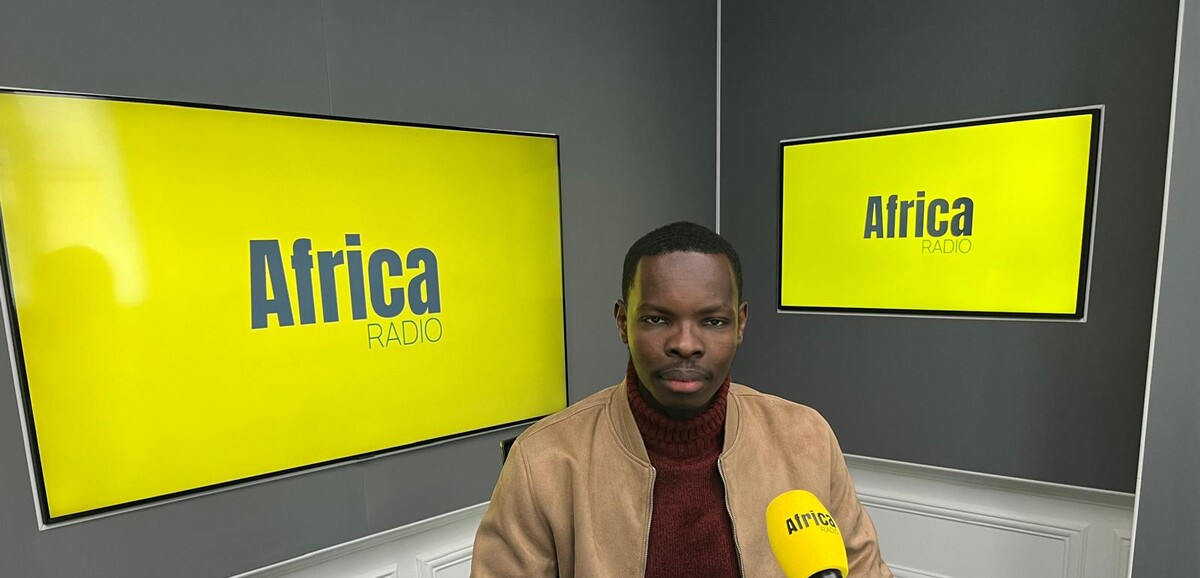
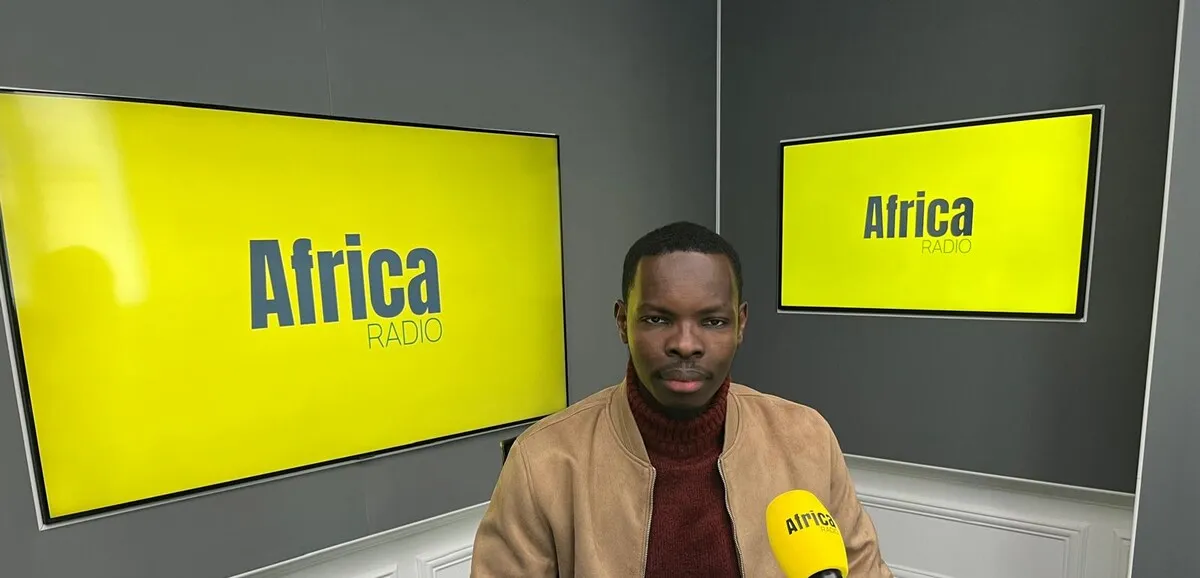
The coordinator of the Parti socialiste sans frontières (PSF) in France and Europe, Alifa Younous Mahamat, has raised the alarm about the systematic suppression of dissenting voices in Tchad. Speaking during a recent interview, he condemned the government’s crackdown on political opposition, highlighting the recent imprisonment of eight opposition leaders as a stark example of this trend.
Eight opposition leaders sentenced to eight years in prison
Last week, eight key figures from the Groupe de concertation des acteurs politiques (GCAP), a major opposition coalition in Tchad, were handed eight-year prison sentences in N’Djamena. The leaders, who were arrested just days before a planned protest deemed illegal by authorities, were convicted of charges widely seen as politically motivated.
Alifa Younous Mahamat vehemently denounced the verdict, calling it a clear case of “justice being weaponized for political ends.” He warned that the ruling signals Tchad’s deepening slide into authoritarianism, where fear and repression stifle free thought and political pluralism.
Opposition rights under siege
For the PSF coordinator, the imprisonment of GCAP leaders is part of a broader strategy to silence credible opposition voices. “Dissent is not just discouraged—it is systematically and completely crushed,” he declared. He emphasized that opposition parties in Tchad now face near-impossible conditions to operate freely, with severe restrictions on freedom of expression, assembly, and association.
>This latest crackdown follows the controversial 20-year prison sentence handed to Succès Masra, a prominent opposition leader and former prime minister, underscoring the regime’s intolerance for dissent.
The role of the Tchadian diaspora in advocating for change
From exile in France and Europe, the Tchadian diaspora is playing a critical role in amplifying the voices of those silenced at home. “We are the voice of those who cannot speak,” Mahamat stated. Through relentless advocacy, he and his colleagues are engaging with international institutions and human rights organizations, demanding a robust response to the worsening political crisis in Tchad.
Mahamat also revealed ongoing efforts to mobilize support from French political leaders. He confirmed meetings with deputies and senators, including discussions with representatives from La France insoumise. Notably, he met with the party’s leader, Jean-Luc Mélenchon, to draw attention to the repression unfolding in Tchad.
The opposition in exile views international mobilization as a vital lever to counter the escalating repression under Mahamat Idriss Déby’s government.
What’s next for Tchad’s opposition movement?
The ongoing suppression of dissent in Tchad raises urgent questions about the future of political pluralism in the country. With opposition leaders behind bars and civil liberties increasingly restricted, the opposition movement faces immense challenges. However, as Mahamat’s warnings and the diaspora’s activism highlight, the fight for democratic freedoms in Tchad is far from over.
The international community’s response to these developments will be closely watched, as the regime’s crackdown on dissent continues to draw global condemnation.