
Lomé’s strategic pivot in West African diplomacy
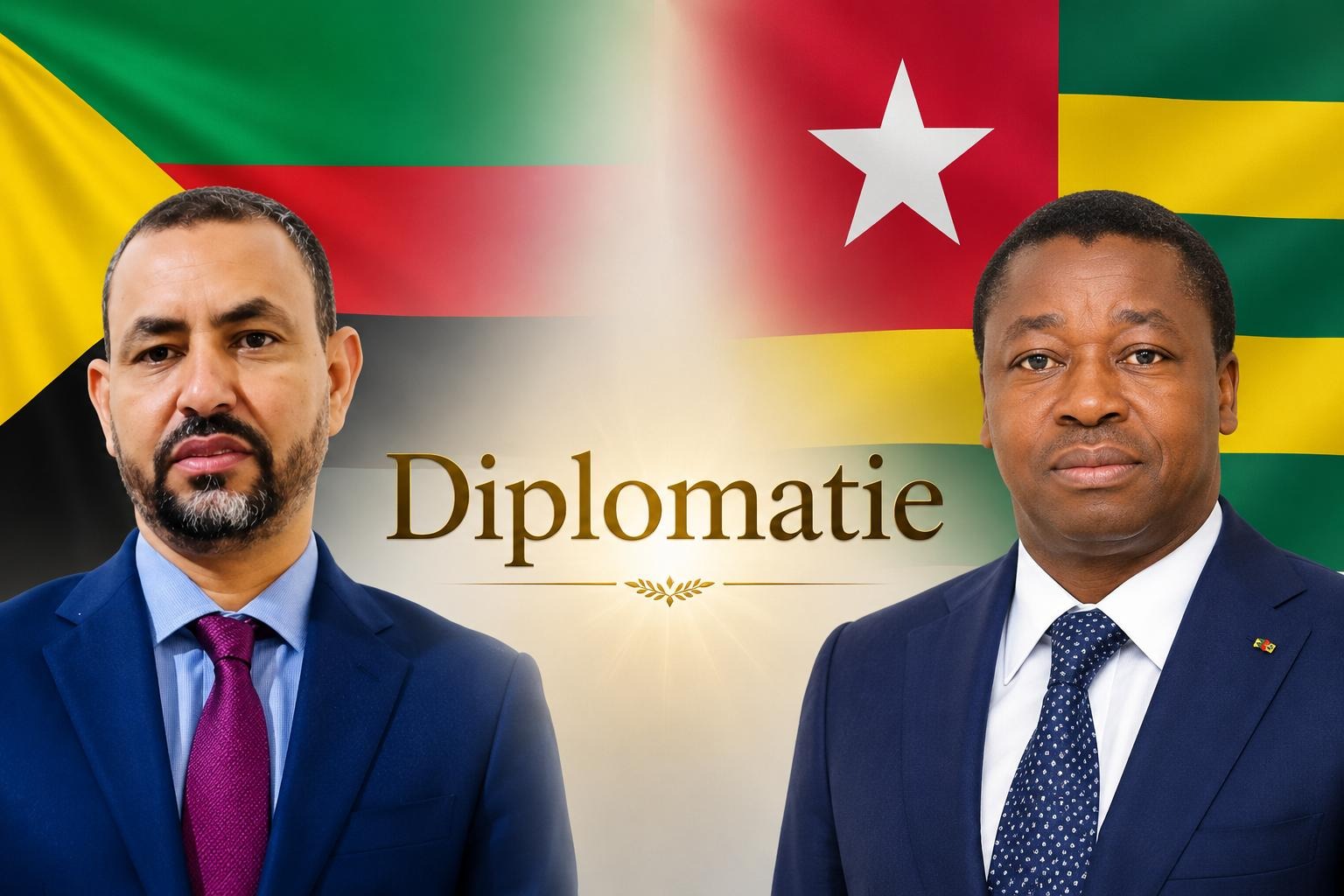
The diplomatic chessboard of West Africa is witnessing a bold maneuver. The Togolese authorities are on the verge of officially recognizing the Azawad Liberation Front (FLA), a move that signals a significant shift in regional dynamics. As the dissident movement prepares to embark on a strategic tour across multiple capitals, Togolese President Faure Gnassingbé reaffirms his role as a distinctive mediator, embracing an unorthodox approach that echoes Lomé’s recent alignment with the military regimes of the Alliance of Sahel States (AES), much to the dismay of ECOWAS.
The FLA’s regional charm offensive
The Azawad Liberation Front (FLA) is stepping out of diplomatic obscurity. This political and military movement, which challenges Bamako’s central authority over Mali’s northern territories, is set to launch a sweeping charm offensive across the region. Its primary goal? To secure international legitimacy and shatter the isolation imposed by Mali’s transitional authorities.
The choice of Lomé as the initial or pivotal stop on this West African tour is far from coincidental. FLA envoys are seeking receptive ears capable of amplifying their autonomist or sovereignist demands. By agreeing to officially receive this delegation and contemplating formal recognition, Togo positions itself as the central hub of this emerging geopolitical landscape.
Faure Gnassingbé’s ‘grand écart’ diplomatic doctrine
For seasoned observers of Togolese politics, this initiative aligns with a consistent, albeit risky, diplomatic strategy. President Faure Gnassingbé is no stranger to parallel diplomacy or forming alliances with regional dissident forces.
Over the years, the Togolese leader has cultivated a doctrine centered on opening alternative channels of dialogue. While counterparts in the region prioritize institutional rigidity, Gnassingbé opts to engage with dissenting voices. The impending recognition of the FLA epitomizes this approach: Togo refuses to blindly adhere to rigid stances and instead champions the role of an indispensable intermediary, even if it means skirting traditional diplomatic red lines.
From AES to FLA: A consistent support for ruptures
This pragmatic—or opportunistic, according to critics—positioning reached its peak during recent political crises in the Sahel. When coups d’état rocked Mali, Burkina Faso, and Niger, the Economic Community of West African States (ECOWAS) swiftly imposed harsh sanctions and a policy of isolation.
Togo took a divergent path. Lomé swiftly emerged as the capital of dialogue for the AES putschists. Gnassingbé positioned himself as the preferred mediator for Bamako’s colonels and Niamey’s generals, undermining ECOWAS’ unified stance. Now, by opening its doors to the FLA—a group challenging Bamako’s authority—Lomé applies the same strategy, albeit toward a rebel faction. This apparent paradox underscores a constant: Lomé aims to be the indispensable transit point for all transitions and rebellions in the subregion.
Regional balance at stake
The imminent recognition of the FLA by Togo is poised to strain bilateral relations within West Africa. For Mali’s transitional government, the reception and legitimization of the FLA by a regional state constitute direct interference in its internal affairs, or even tacit support for territorial destabilization.
From ECOWAS’ perspective—already weakened by the Sahel states’ schism—this Togolese initiative resembles another breach in the community’s solidarity contract. By acting independently, Togo demonstrates that the region’s security and diplomatic architecture is undergoing a fundamental redefinition, where once-sacrosanct principles like border inviolability and non-interference are giving way to a flexible, pragmatic geopolitical realism.
As Lomé prepares to recognize the FLA amid its regional tour, the city reaffirms its role as a diplomatic laboratory for West Africa. Gnassingbé’s method remains clear: anticipate ruptures, engage with international outcasts, and position Togo as a neutral yet audacious mediator. The question now is whether this policy of extending a hand to dissidents will bolster Lomé’s influence or consign it to prolonged isolation in an increasingly fragmented region.