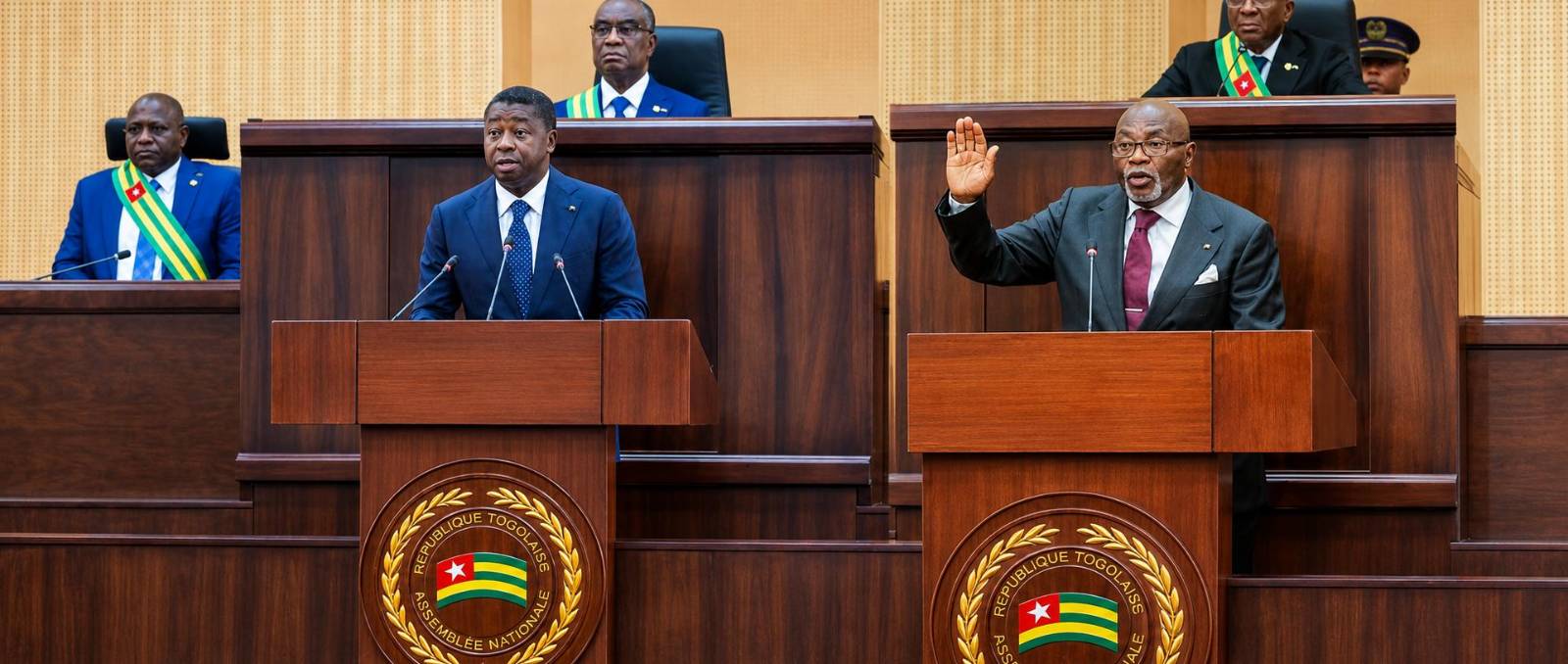

Togo has recently undergone a monumental constitutional transformation, which many observers interpret as a decisive blow against democratic succession. Following the adoption of its new Constitution on April 19, the West African nation transitioned from a semi-presidential framework to a tailored parliamentary system. Beneath the technical language of this significant shift, the ultimate goal appears unambiguous: to solidify Faure Gnassingbé’s permanent hold on the presidency.
the strategy for absolute governance
Within this updated governmental architecture, the position of President of the Republic has been largely divested of its core functions, effectively becoming a ceremonial role. Stripped of essential sovereign powers, the head of state now serves primarily as a symbolic figurehead.
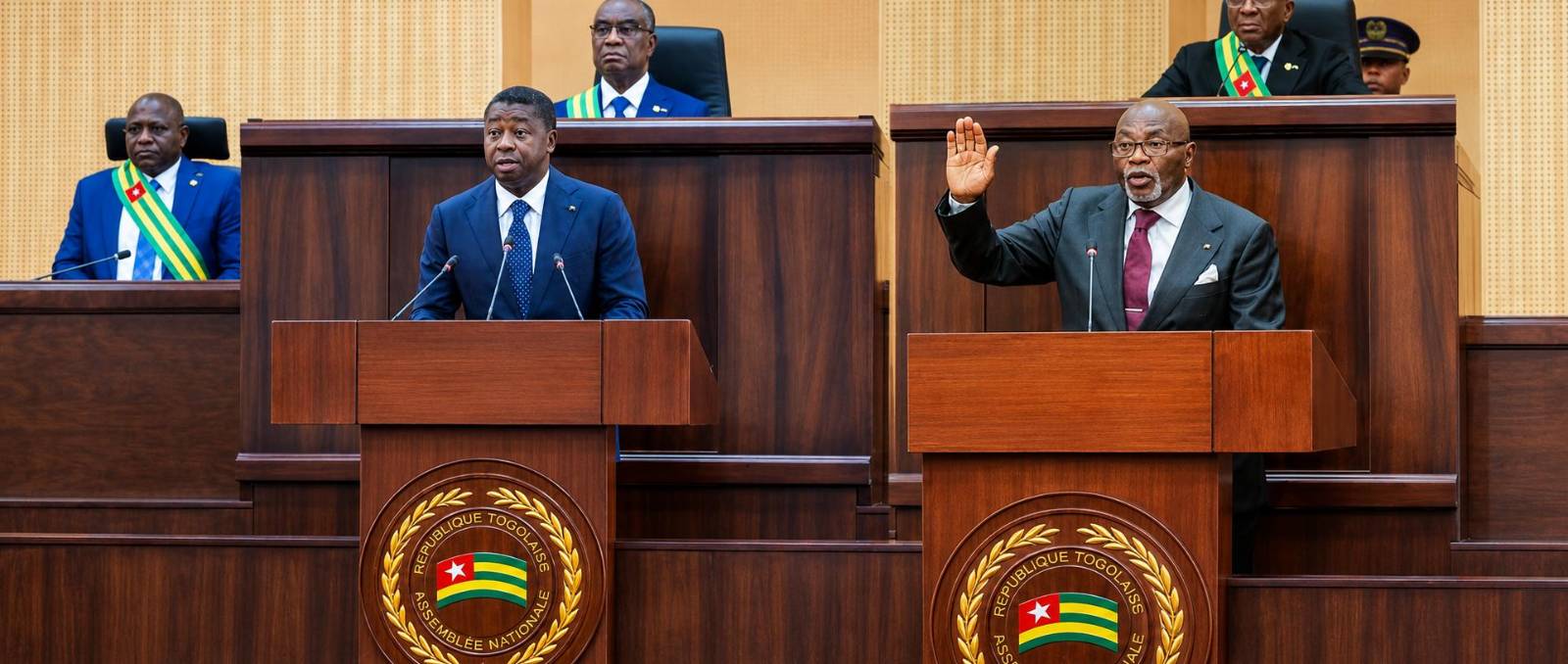
Conversely, the authentic seat of authority in this new arrangement rests with the President of the Council of Ministers. This specific role, seemingly crafted precisely for and by Faure Gnassingbé, centralizes all real power: granting extensive control over the military, diplomatic affairs, and public administration. This apparent dualism is, in reality, a superficial imbalance designed to obscure the unchallenged omnipotence of a leader reluctant to cede control.
faure gnassingbé: the prospect of an unending tenure
The pivotal element of this reform lies in the de facto elimination of term limits. By tying the head of government’s position to a simple parliamentary majority—an assembly already overwhelmingly aligned with the ruling party—the regime has effectively dismantled the last legal safeguard against perpetual political rule.
This