Togo’s deepening financial and social crisis under Faure Gnassingbé
The Republic of Togo stands at a crossroads where official narratives of progress collide with stark economic realities. As the nation transitions into a fifth Republic tailored to governmental preferences, financial distress and social inequality deepen across communities. Once hailed as a model of stability, the country now grapples with a widening gap between donor-funded projects and the daily struggles of ordinary citizens.
Years of heavy financial injections from regional development banks and international donors have left the nation’s economy in a precarious state. Despite billions of CFA francs poured into infrastructure upgrades, tangible benefits for local businesses and public finances remain elusive. The glittering port of Lomé, often showcased as a symbol of modernization, fails to translate into meaningful revenue growth or debt reduction for the state.
Where do the billions go?
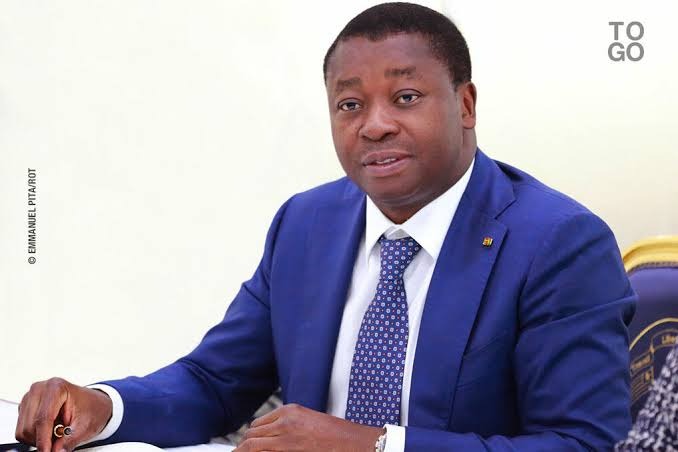
The financial mismanagement under President Faure Gnassingbé’s leadership has led to a cycle of unsustainable debt accumulation. A staggering portion of national revenue is swallowed by debt servicing, leaving little room for productive investments or job creation. Repeated infrastructure announcements rarely materialize into lasting employment or industrial development, raising serious questions about accountability.
- Debt that drains the budget: A disproportionate share of state funds is diverted to servicing external and domestic debt, crippling public spending on essential services.
- Overpromised, undelivered projects: While roads, ports, and public buildings receive attention, their economic impact remains minimal, failing to stimulate local industries or reduce unemployment.
Economic analysts warn that while geopolitical and security considerations keep donor funds flowing, financial discipline and transparency remain glaringly absent. The result is a widening chasm between official promises and the lived experiences of Togolese citizens.
Social inequality reaches alarming levels
The economic strain is most visible in the daily lives of ordinary Togolese. Inflationary pressures, rising taxes on informal workers, and a lack of viable economic opportunities have eroded purchasing power nationwide. From bustling markets in Lomé to remote villages in the Savanes region, access to food, healthcare, and electricity has become increasingly out of reach for many families.
The shift toward a parliamentary system and institutional reforms appear less about enhancing governance and more about consolidating power within ruling circles. There is little evidence that these changes aim to improve financial accountability or address the mismanagement of past decades.
The contrast between official rhetoric and ground-level realities grows starker by the day. As Togo navigates this period of political and economic uncertainty, the urgent question remains: who ultimately bears the cost of this widening crisis?