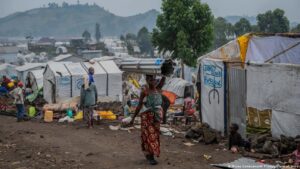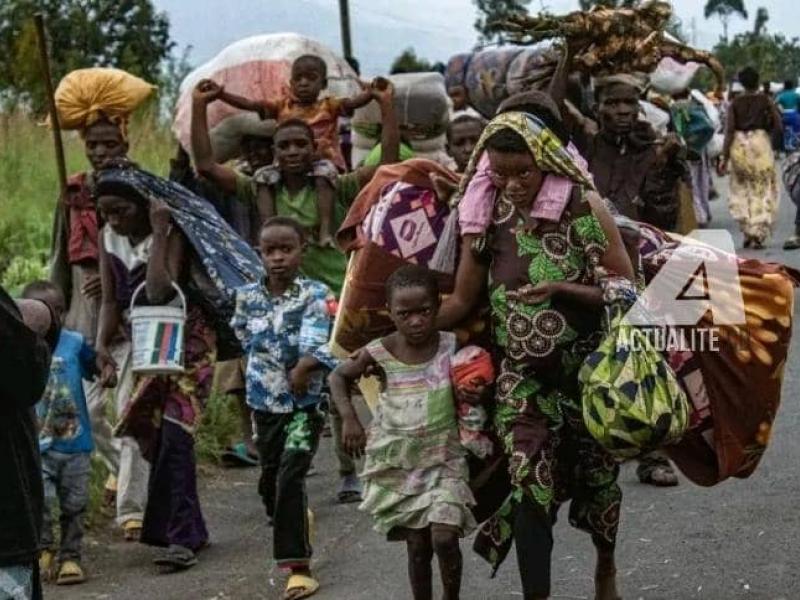

The ongoing deterioration of the humanitarian situation in the eastern Democratic Republic of Congo remains a profound concern for the United Nations. Addressing the Security Council on Friday, June 26, 2026, James Swan, the UN Special Representative in the DRC and head of MONUSCO, presented a stark assessment of the humanitarian fallout from the protracted conflict in the country’s eastern provinces.
Millions of Congolese continue to bear the brunt of this crisis, which is unfolding against a backdrop of shrinking international humanitarian funding. Swan disclosed that the 2026 Humanitarian Response Plan, initiated in January, has only secured 53.3% of its required funding. He implored international partners to provide the outstanding resources necessary to address the escalating humanitarian needs across the DRC.
“The humanitarian crisis in the DRC remains severe,” stated James Swan, head of MONUSCO. “Nearly 27 million people, representing over a quarter of the population, are grappling with food insecurity. The 2026 Humanitarian Response Plan prioritizes emergency assistance for 7.3 million individuals, with a budget of $1.4 billion, yet it is currently only 53.3% funded. I extend gratitude to our generous donors and strongly urge them to release the remaining funds to meet the urgent requirements of the DRC.”
These urgent warnings from MONUSCO come as intense fighting persists across numerous localities and territories within North Kivu and South Kivu provinces in eastern DRC. Humanitarian requirements continue to surge in these regions, despite ongoing diplomatic endeavors aimed at securing a lasting ceasefire and implementing various peace agreements.
Confronted by a severe funding shortfall, the humanitarian community in the Democratic Republic of Congo finds itself forced to rigorously prioritize its response efforts for 2026. It was within this challenging environment that the government of the Democratic Republic of Congo and humanitarian organizations jointly launched an urgent appeal for $1.4 billion in Kinshasa on Wednesday, January 28, 2026, to address the nation’s humanitarian needs throughout the year.
Both the government and humanitarian partners emphasized that these funds are crucial to assist millions of Congolese citizens trapped in one of the world’s most protracted and overlooked humanitarian crises. Without adequate financing, the 2026 humanitarian response will be restricted to aiding only 7.3 million individuals, out of nearly 15 million who urgently require vital assistance and protection.
The preceding year, 2025, starkly demonstrated the devastating repercussions of underfunding. Throughout that year, diminished operational capacities led to the closure of over 1,000 nutrition centers, leaving more than 390,000 children suffering from severe acute malnutrition without critical care.
Furthermore, approximately 1.5 million people lost access to essential primary healthcare services due to facility closures, critical shortages of vital medicines, and a reduced capacity to prevent and respond to epidemics. Monthly food assistance targets were slashed by up to 73%, thereby exposing the most vulnerable populations to heightened risks of hunger and severe deprivation.