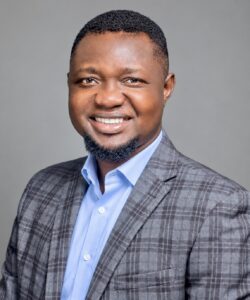

The United Nations Committee on Enforced Disappearances has formally called upon Malian authorities to locate and ensure the protection of Maître Mountaga Tall, a prominent lawyer and political figure. His family has been without any news since his arrest by State Security. This urgent appeal from the UN body comes nearly two and a half months after the opposition leader’s apprehension, occurring amidst a tightening grip on power by the military transitional government in Bamako.
The intervention by this UN entity elevates the case to an international level. The Committee, operating under the High Commissioner for Human Rights, has pressed Bamako to provide precise details regarding the former minister’s place of detention and to guarantee his physical safety. This action is grounded in the International Convention for the Protection of All Persons from Enforced Disappearance, a treaty to which Mali became a signatory in 2009.
A veteran lawyer and opposition figure held by State Security
Mountaga Tall is a widely recognized personality within Mali’s political landscape. As the president of the National Congress for Democratic Initiative (CNID), he served multiple terms as a Member of Parliament and held the portfolio of Minister of Higher Education. A respected bâtonnier (head of the bar association), he represents a generation of legal professionals instrumental in Mali’s democratic opening during the 1990s. His arrest by intelligence services, without any public charges being filed, has triggered significant alarm among the legal community and various human rights organizations.
Since his initial detention, his close associates have stated they remain unaware of his whereabouts. This prolonged absence of contact, coupled with a lack of official notification or access to legal counsel, aligns with the international legal definition of enforced disappearance. The UN Committee was specifically established to intervene in such situations, utilizing an urgent action mechanism that families can activate.
Bamako under diplomatic scrutiny
This initiative from Geneva places Mali’s transitional authorities in a precarious diplomatic position. Following the double coups d’état in 2020 and 2021, the military regime led by General Assimi Goïta has increasingly distanced itself from traditional international partners, notably France and the Economic Community of West African States (ECOWAS), from which Mali, alongside Burkina Faso and Niger, recently withdrew. The suspension of political party activities, announced in the spring, has further constricted civic space within the nation.
Numerous critical voices have been silenced in recent months. Journalists, magistrates, party executives, and former ministers are among those who have been arrested or compelled into exile. Mr. Tall’s case encapsulates these growing concerns due to his significant stature and extensive institutional career. The UN’s involvement could pave the way for additional similar actions if the Malian authorities continue their silence.
A crucial test for Mali’s international commitments
From a legal standpoint, Bamako’s response will directly impact the country’s credibility concerning the UN instruments it has ratified. The Committee possesses the authority to request provisional measures, issue public observations, and, in instances of clear non-compliance, refer the matter to the General Assembly. While these mechanisms do not carry direct coercive force, they nonetheless exert considerable influence on Mali’s diplomatic reputation and its relationships with multilateral donors who still operate within the country.
The broader regional context further amplifies the significance of this affair. Within the Confederation of Sahel States, comprising Bamako, Ouagadougou, and Niamey, mechanisms for democratic oversight and the protection of individual liberties have considerably weakened. International partners, including certain Gulf States that have expanded their economic presence in the region, are closely monitoring Mali’s institutional trajectory. The handling of the Mountaga Tall case will send a crucial signal to both investors and diplomatic allies regarding the current affairs in Mali and the wider Sahel region.
As of now, the transitional government has offered no official reaction. The persistent silence surrounding the lawyer’s fate stands in stark contrast to the media attention given to other legal proceedings involving civilian figures. It remains uncertain whether this UN pressure will be sufficient to elicit, if not his release, at least a clarification of his legal status.