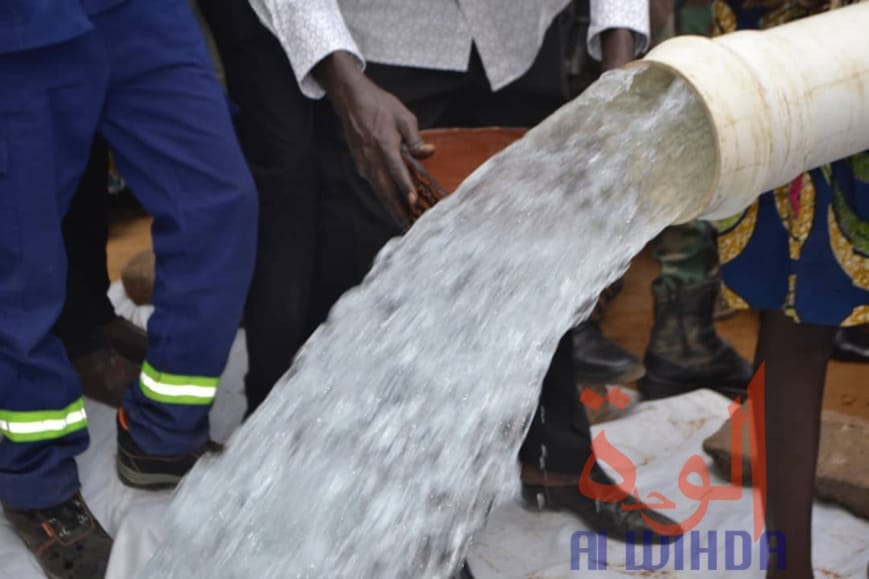

World Bank pumps $160 million into Chad’s water and climate resilience
The World Bank is stepping up its commitment to Chad by allocating a $160 million grant to bolster water security and climate resilience in the country’s most vulnerable regions. This injection of funds will directly benefit one million people, with women making up 50.6% of the beneficiaries.

Investment targets water security and climate adaptation
The International Development Association (IDA) grant will fund the Water Security and Resilience Support Project (PASER), a strategic initiative designed to address Chad’s pressing water and climate challenges. The project focuses on provinces grappling with fragility, climate shocks, and forced displacement, aiming to restore vital services and infrastructure that can withstand environmental stresses.
Key objectives include sustainable water management, local capacity building, and improved living conditions for populations vulnerable to droughts, floods, and land degradation. The project will also tackle resource-driven conflicts that have intensified amid growing water scarcity.
Addressing fragility through integrated development
With over 1.3 million Sudanese refugees seeking shelter in eastern Chad, water scarcity has become a critical flashpoint. The PASER project will channel $80 million from the Window for Host Communities and Refugees (WHR) to ease tensions and foster stability. By restoring access to water and economic opportunities, the initiative seeks to rebuild trust and prevent further displacement.
The project aligns with Chad’s Chad Connexion 2030 – Programme 15, marking a shift from humanitarian aid to a development-driven approach focused on resilience. This strategy prioritizes long-term solutions over emergency relief, targeting provinces hosting refugees, N’Djamena, and other high-risk areas.
Empowering communities and fostering inclusion
Farouk Mollah Banna, the World Bank’s Resident Representative in Chad, emphasized the project’s role in mitigating fragility drivers: “In a context where water scarcity fuels community tensions, this operation will restore access to a vital resource and renew hope for the future. It addresses key fragility factors, including regional disparities, lack of economic opportunities, and conflicts over natural resources.”
Hawa Cissé Wagué, the Bank’s Acting Country Director for Chad, highlighted the project’s broader impact: “This operation demonstrates how development investments can serve as peacebuilding tools in some of the world’s most fragile settings. It supports Chad’s transition toward greater resilience, stability, and inclusion.”
The project will benefit approximately one million people, with over half originating from host and refugee communities. Women will constitute 50.6% of the beneficiaries, reflecting a strong commitment to gender equity.