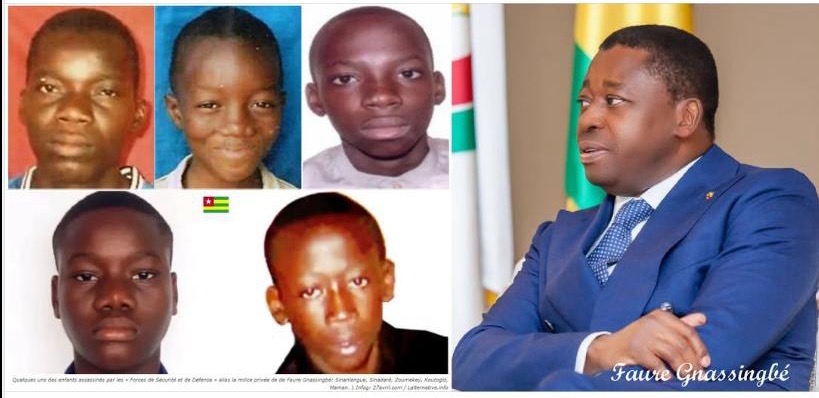

While the international community recently observed the Day of the African Child, focusing on essential rights such as water and sanitation, the atmosphere in Togo remains clouded by a somber reality. Beyond the official ceremonies and optimistic rhetoric delivered by government representatives, a pattern of lethal force against the nation’s youth persists. To maintain political stability, the administration in Lomé has repeatedly utilized armed intervention, resulting in the tragic loss of innocent young lives and a total absence of judicial accountability.
From historical resistance to modern repression
The Day of the African Child was originally established to honor the students of Soweto who, in 1976, sacrificed their lives for educational equality. In Togo, however, the protection of the younger generation appears to have been discarded in favor of aggressive state preservation. Protecting a child involves more than just signing international treaties; it requires the provision of basic dignity and safety.
The current state of Togolese healthcare reflects a systemic failure. In many hospitals, expectant mothers are forced to give birth on the floor due to a lack of beds and basic infrastructure. These overcrowded facilities offer a precarious start to life. Furthermore, when the youth attempt to protest these violations of their fundamental rights, they are frequently met with live ammunition. Even those not participating in demonstrations, simply navigating their daily lives, have found themselves caught in the crossfire of state violence.
The case of Jacques Koutoglo: a family’s quest for truth
Nearly a year has passed since the family of Jacques Koutoglo began their search for justice. The 15-year-old student was fatally assaulted and his body discarded in the Bè lagoon in Lomé during the unrest of June 2025. Jacques was not a participant in the protests; he was merely searching for food when he was intercepted.
In the aftermath, the then-Minister of Human Rights, Pacôme Adjourouvi, initially suggested the death was a “natural drowning” occurring during a period of civil disturbance. He later retracted this statement, promising an official investigation to determine responsibility. However, the minister left his post without ever releasing the findings. The government’s subsequent refusal to permit a memorial mass for the teenager has only deepened the family’s sense of betrayal and grief.
Persistent silence surrounding the deaths of Joseph Zoumekey and Rachad Maman
The year 2017 provided further evidence that the state’s repressive measures do not spare children. Joseph Zoumekey, aged 13, was killed by a live round in the Bè-Kpota neighborhood while running an errand for his mother. Although official accounts initially attempted to obscure the cause of death, an independent autopsy conducted in 2018 confirmed he had been shot. Despite international calls for the perpetrators to be brought to justice, the administration of Faure Gnassingbé has remained silent.
During the same period in Bafilo, 14-year-old Rachad Maman was killed while walking with his father during a demonstration for democratic reforms. His death sparked significant international condemnation and a global petition demanding a transparent investigation. Like so many other cases, these demands for justice have been ignored by the authorities in Lomé.
United in grief: Anselme Sinandaré and Douti Sinalengue
In the northern city of Dapaong, the memories of Anselme Sinandaré, 12, and Douti Sinalengue, 21, remain a testament to unaddressed violence. In 2012, both were killed during a peaceful student protest organized to demand the presence of teachers in their classrooms. More than a decade later, no official proceedings have identified or prosecuted the security personnel responsible for the shootings.
From the northern borders to the southern coast, a painful consistency emerges: the lives of Togolese children appear secondary to the preservation of political power. Numerous families have seen their future extinguished with total impunity. This cycle of repression has characterized the governance of the Gnassingbé family for generations.
Despite being a signatory to the African Charter on the Rights and Welfare of the Child since May 1998, Togo continues to disregard its international obligations. By allowing these crimes to go unpunished and investigations to stall, the authorities signal that the survival of the regime takes precedence over the legal protection of its youngest citizens.