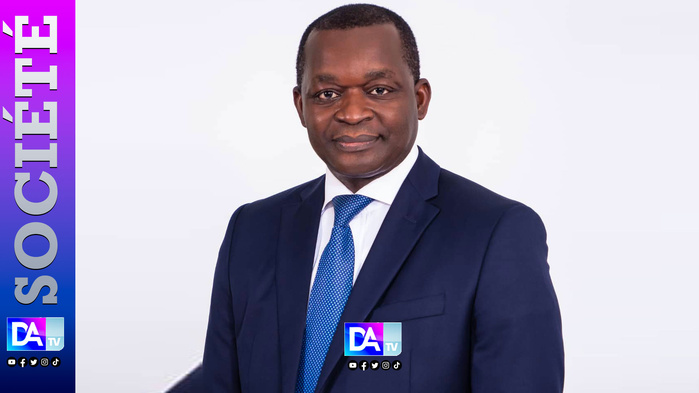

From the streets of Paris to the suburbs of Massy and the community hubs in Creil, Alioune Sarr, the President of the Alliance pour le Sénégal (APS/ANS), has been actively mobilizing the diaspora. His mission is to forge a fresh pact centered on territorial empowerment, the involvement of Senegalese abroad, and national sovereignty.
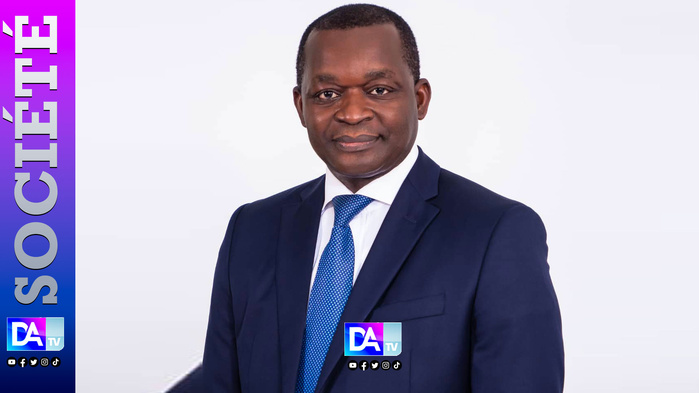
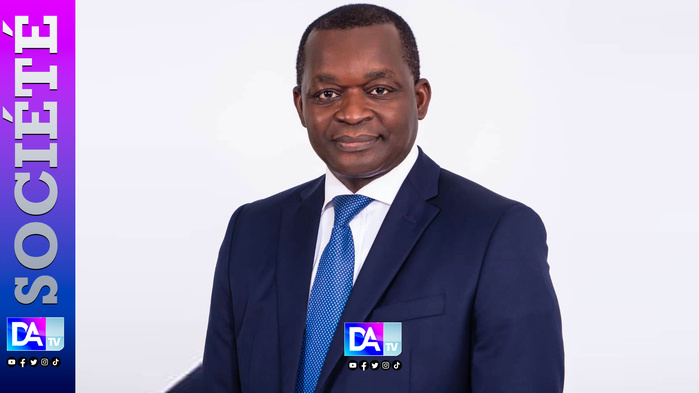
During this European tour, Alioune Sarr has prioritized direct engagement. He visited compatriots in their homes and community centers, including the Foyer Les Mûriers in the 20th arrondissement of Paris and meetings in Massy, located in the Essonne department. These discussions provided a platform for the diaspora to voice their concerns and offer concrete suggestions for the economic and social development of Sénégal.
Strong mobilization in Creil
The momentum continued in Creil, within the Oise department of the Hauts-de-France region. A significant gathering, organized by Amy Faye—the APS coordinator in France—brought together a diverse group of workers, students, and entrepreneurs. The participants showed a deep interest in Sarr’s proposals regarding territorial investment and economic self-sufficiency.
Amy Faye praised the President’s commitment to the diaspora, highlighting that those living abroad are essential architects of the nation’s future. The dialogue focused on how local resources can be leveraged to create a more balanced national economy.
A call for political maturity
Throughout these exchanges, Alioune Sarr delivered a clear message to the political class. He argued that the challenges facing Sénégal require a governance model rooted in dialogue and shared responsibility. “We can be political opponents without being enemies of the Republic,” he stated, urging leaders to prioritize the national interest over partisan disputes.
Moving beyond a Dakar-centric model
A central theme of the tour was the critique of the current centralized development model. Sarr believes that focusing all investments in major urban centers has reached its limit. He noted that when decisions are made solely at the center, the regions remain stagnant. “Dakar is the heart of Sénégal, but the territories are its lungs,” he explained, emphasizing that the country cannot thrive if only one part is functioning.
His vision is one of complementarity, where every region is empowered to utilize its own resources, create jobs, and attract sustainable investment.
The Notto Diobasse model and land value
To illustrate his point, Alioune Sarr pointed to the Notto Diobasse Smart City project. This initiative serves as a blueprint for transforming local areas into hubs of innovation, industry, and education. He flipped the traditional development narrative, suggesting that growth should flow from the territories toward Dakar, rather than the other way around.
Furthermore, Sarr addressed the issue of land management. He argued that land should be viewed as strategic capital rather than a commodity to be sold off. “Selling land is consuming the future; developing land is building the future,” he remarked, comparing the sale of raw land to the export of unprocessed raw materials. He called for a shift toward processing and transformation to generate long-term wealth.
The diaspora as a strategic partner
Finally, Alioune Sarr redefined the role of the diaspora. He challenged the notion that Senegalese living abroad are merely a source of financial remittances. Instead, he described the diaspora as a “ministry of development in the open air,” capable of being primary investors and builders in their home regions.
The tour concluded with a call for a new national pact based on three essential pillars:
- Robust and autonomous territories;
- A fully engaged and mobilized diaspora;
- A firm commitment to economic sovereignty.
The high level of engagement seen in Paris, Massy, and Creil underscores the diaspora’s readiness to participate in this transformation. As Alioune Sarr noted at the end of his visit, the goal is not merely to manage what comes next, but to actively construct it.



