
Politics
African democracy struggles under political self-interest, says activist
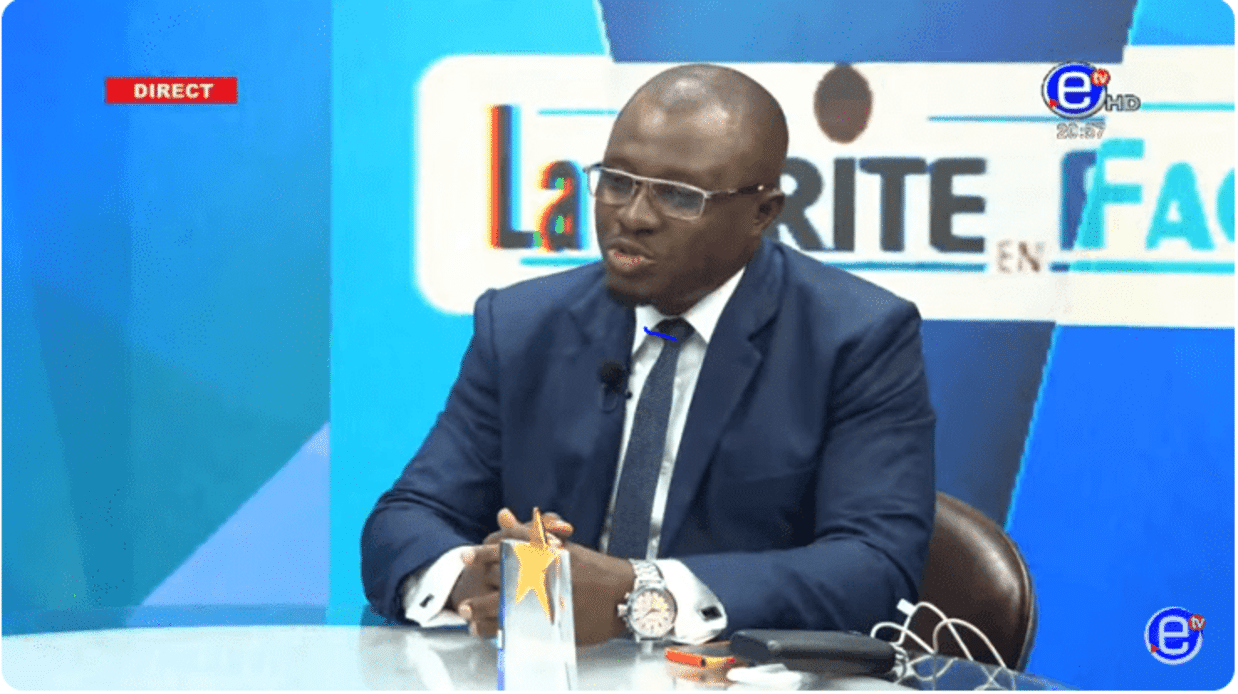
In a recent social media post, former Movement for the Renaissance of Cameroon (MRC) activist Salomon Beas highlights what he sees as the core obstacle to democratic progress in Africa: leaders who prioritize personal ambition over genuine governance.
The danger of political opportunism
Salomon Beas argues that many African opposition leaders transform into political figures overnight, often without proper transition or preparation. Their sole focus, he claims, is securing the presidency rather than implementing meaningful change or fostering genuine democratic values.
«In a political landscape where civil servants and administrators suddenly become leaders without any transition, democracy struggles to take off. These individuals are driven by a single ambition: to become President as quickly as possible, without any real desire to transform the mindset of the populations they claim to govern. They demand unwavering support for their ambitions, often sidelining those who dare to challenge or question them.»
According to Beas, this behavior leads to a political environment dominated by followers rather than thinkers. Leaders who prioritize blind loyalty over constructive debate end up creating a system where political projects stagnate and initiatives fail. «Over time, they push away the values that could truly transform the political field, leaving behind empty rhetoric with no substance—individuals who cannot take initiative or lead meaningful action. Ultimately, their projects become obsolete the moment they retire.»
Democracy requires more than ambition
For Beas, a true leader must go beyond the superficial trappings of power. He emphasizes that democracy is not about personal glory but about convictions, vision, and collective progress. «Leaders who fail to understand this often enable dictatorships to regenerate. Political reproduction becomes a durable model that resists change, poisoning governance for years.»
He warns that a leader who cannot accept that even a junior collaborator might develop a better political vision than their own will ultimately fail. Success in politics, Beas argues, comes not from sheer will but from inspiring hope in the people, who in turn nurture greater talent than the leader themselves. «Politics isn’t just about becoming what you once dreamed—it’s about empowering others to achieve more than you ever could.»
Africa’s democratic crisis: from politics to religious mimicry
Beas draws a stark parallel between African political parties and religious revivalist movements. He criticizes the tendency of party leaders to treat politics like a church, seeking blind followers rather than engaged citizens and potential challengers. «Central Africa suffers from a dangerous disease that kills democracy: the habit of party presidents behaving like pastors in revival churches, collecting worshippers instead of nurturing informed and critical citizens.»
The activist calls for a fundamental shift in how political leadership is perceived and practiced across the continent. Without this change, he warns, democratic progress will remain elusive.