African Development Bank outlines new 2027-2031 strategy for Burkina Faso
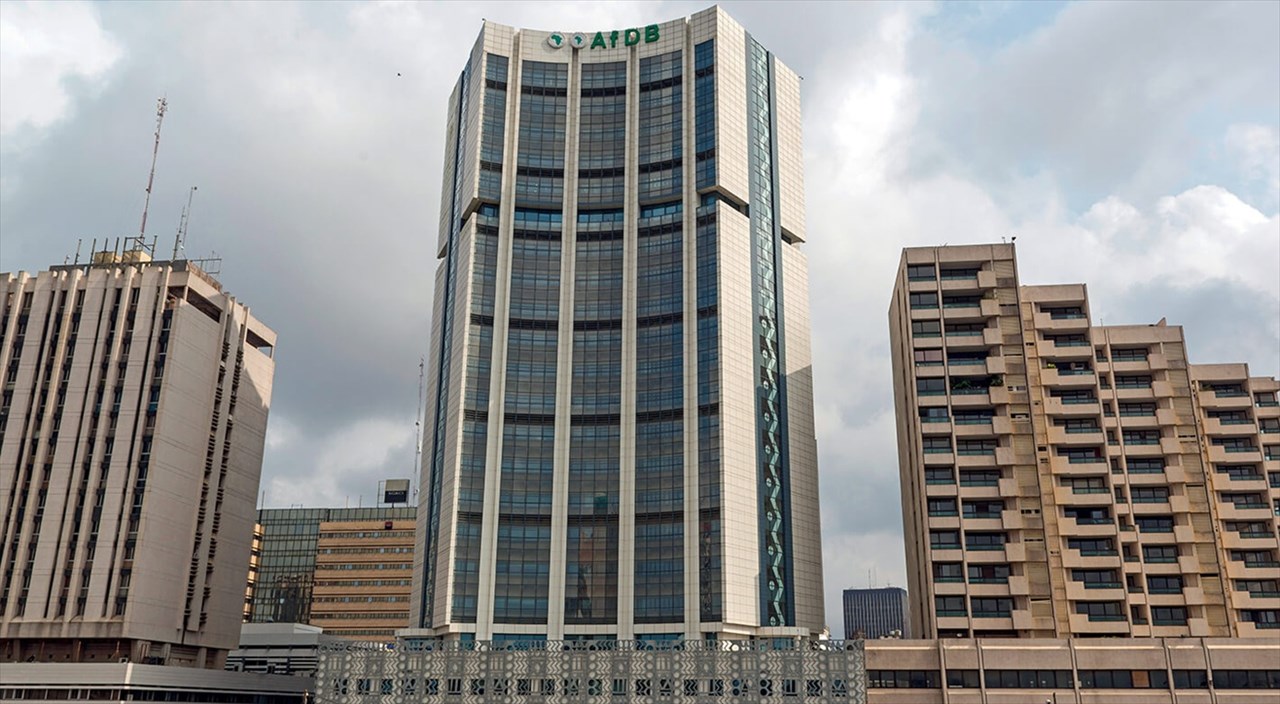

The African Development Bank is currently defining its future path in Burkina Faso. From May 4 to 8, 2026, a high-level delegation led by Lamin Barrow, the Director General for West Africa, visited Ouagadougou to initiate discussions for the 2027-2031 Country Strategy Paper. This document will serve as the primary framework for the institution’s support of national development goals over the coming years.
Evaluating progress and setting priorities
This mission served a dual purpose: assessing the impact of the 2022-2026 interim framework—which remains in effect until the end of the year—and identifying the strategic pillars for the upcoming partnership. The discussions centered on several critical areas, including economic resilience, infrastructure enhancement, productive transformation, and boosting the private sector. Improving the efficiency of project implementation also emerged as a top priority.
During high-level talks, Lamin Barrow commended the government’s initiatives regarding national security and its macroeconomic performance. He highlighted that the new “RELANCE” 2026-2030 National Development Plan will be instrumental in driving sustainable growth across the country.
Calls for industrialization and operational speed
Aboubakar Nacanabo, the Minister of Economy and Finance, emphasized the need for increased support for productive investments. His focus remains on accelerating industrialization, expanding energy capacity, and making the private sector more competitive. Furthermore, the Minister urged the bank to adopt greater speed and flexibility in its operational procedures to better meet the country’s urgent needs.
A robust investment portfolio
The scale of the partnership is reflected in recent data. As of late April 2026, the African Development Bank manages an active portfolio in Burkina Faso consisting of 19 projects across five strategic sectors, representing a total investment of 956.1 million dollars. Since the interim strategy began, 13 projects have received approval, with two additional initiatives expected to be finalized before the year concludes.
Looking ahead to the next cooperation cycle, several hurdles remain. These include the need to streamline procurement processes, enhance responsiveness to the immediate needs of the population, and ensure that investment reaches all regions of Burkina Faso despite the ongoing fragile context.