Cameroon’s silent leader: Biya’s prolonged absence fuels questions
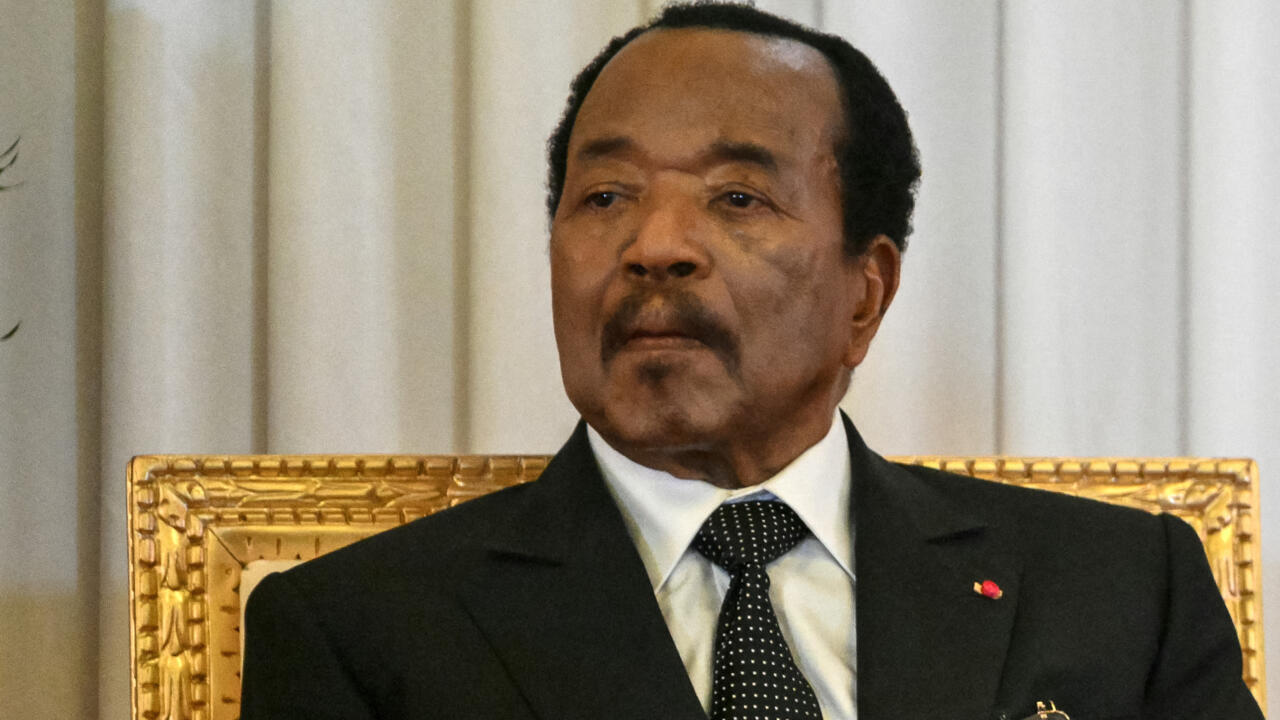
Cameroon’s silent leader: Biya’s prolonged absence fuels questions
At 93, with 44 years in power, President Paul Biya of Cameroon has just completed his longest absence from public view—58 days and counting. Departing on June 7 for what officials called a “private stay in Europe,” the head of state has not been seen since. His Communication Minister, René Sadi, broke weeks of silence to affirm: “The president is alive… there is no power vacuum.” Yet the absence lingers, sparking fresh debate over governance and what lies ahead.
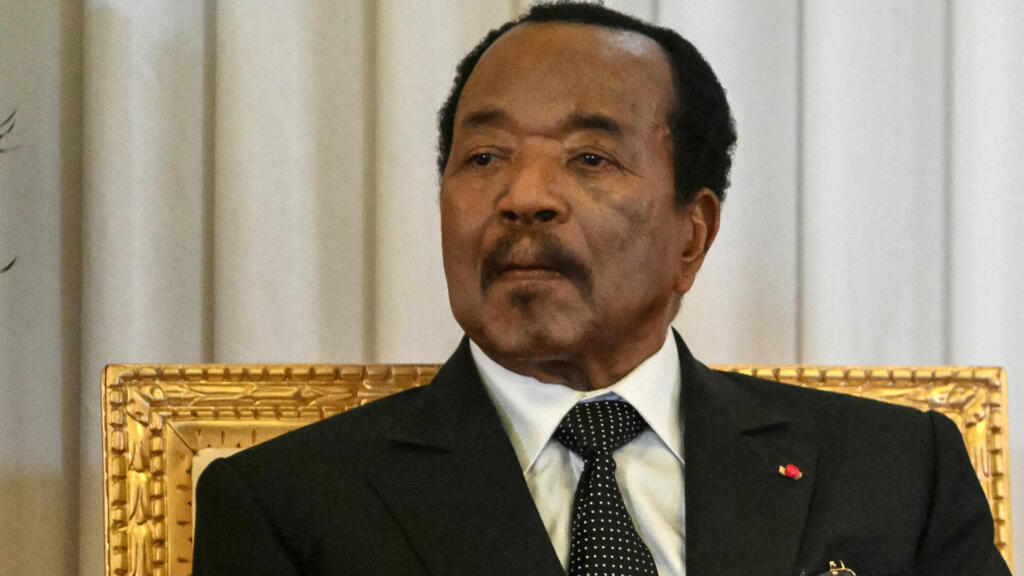
Power in silence: a presidency under scrutiny
Since early June, President Paul Biya has been absent from Cameroon’s public life. His last confirmed appearance was at the presidential palace in Yaoundé on April 15, during an official reception for Pope Leo XIV. Since then, the country’s longest-serving leader has vanished from view—no televised speeches, no public events, no official photographs.
In response to growing public concern, Minister of Communication René Sadi issued a rare statement: “The president is alive and in good health… there is no power vacuum.” Yet no return date was provided, leaving citizens and analysts to question the true state of leadership in one of Africa’s most enduring presidencies.
What does Biya’s absence mean for Cameroon?
With 44 years in office, Paul Biya remains a central figure in Cameroon’s political landscape. His prolonged absence raises critical questions about governance, succession planning, and the country’s political future. While officials insist there is “no power vacuum,” the lack of transparency fuels speculation and debate.
In Yaoundé and beyond, conversations turn to the next steps. Will the president return? If not, who will assume leadership? And how long can a government function without its visible head?
This moment tests Cameroon’s resilience—and the trust between its institutions and its people.