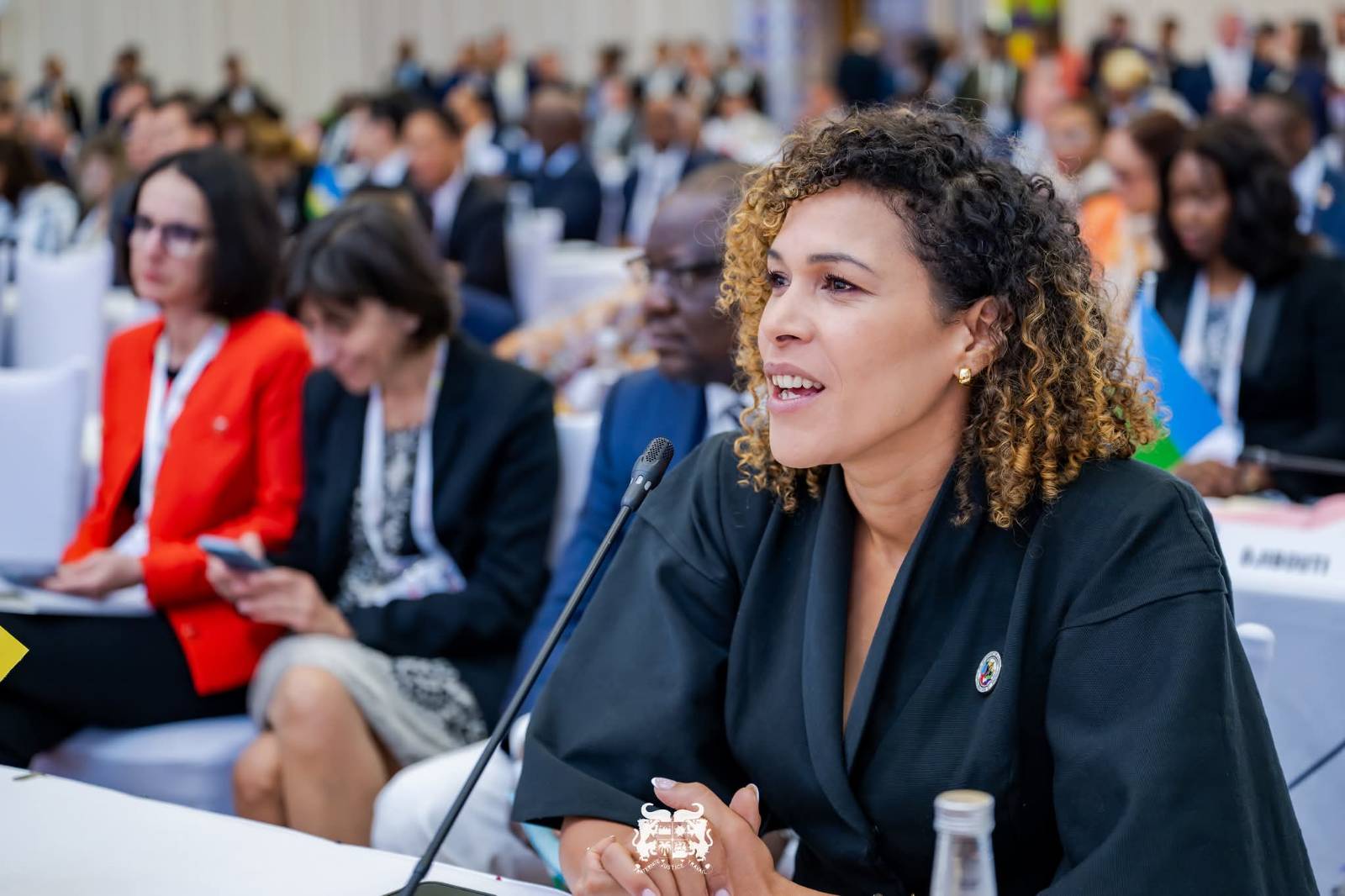

The Beninese diplomatic corps has quietly engineered a significant breakthrough on the global stage. At the close of the 48th Ministerial Conference of the Francophonie (MCF), held in Phnom Penh, Cambodia, this past 14 November 2026, Benin was elected to serve as vice-president of the Organisation internationale de la Francophonie (OIF) executive body. This three-year mandate—running until the regular session scheduled for 2027—elevates the country from observer to active stakeholder inside the inner sanctum of decision-making that shapes francophone priorities.
From observer to agenda-setter: the mechanics behind Benin’s rise
Benin’s ascent is not happenstance. Months of discreet bilateral conversations in Geneva, Addis Ababa and New York, coupled with a consistent track record of contributing peacekeepers and electoral observers to OIF missions, convinced peers that the country could shoulder broader institutional responsibility. Rather than campaigning overtly, Cotonou deployed quiet diplomacy—sharing policy notes on debt-for-education swaps and digital governance blueprints that resonated across francophone Africa and the Caribbean. The decision taken in Phnom Penh thus crystallises a longer arc of strategic positioning rather than an isolated diplomatic coup.
The woman at the table: how Benin’s top diplomat steered the agenda
Leading the delegation in the Cambodian capital was Corinne Amori Brunet, Benin’s Minister of Foreign Affairs. Her presence underscored the personal investment of President Patrice Talon in francophone affairs. During closed-door huddles, Amori Brunet tabled a non-paper advocating for a francophone climate-adaptation fund—a proposal that gained traction and was folded into the Phnom Penh Appeal on Cultural Heritage adopted by the ministers. Her performance in Phnom Penh did more than secure the vice-presidency; it demonstrated that a mid-sized West-African democracy can punch above its weight when it couples clear policy proposals with relentless quiet engagement.
Agenda items that shaped the vote
The 48th session crystallised three fault lines that ultimately favoured Benin’s candidature:
- Peace and stability architecture: Benin already hosts a regional counter-terrorism centre in Cotonou; ministers viewed its vice-presidency as a natural extension of its security portfolio.
- Inclusive digital governance: Cotonou’s 2025 Digital Republic roadmap, which promises universal broadband and AI ethics guidelines, struck a chord with Caribbean and Pacific peers seeking digital inclusion models.
- Financial solidarity mechanisms: Benin championed a pilot debt-swap initiative converting bilateral debt into climate-resilience projects, a template other OIF members can replicate—earning it cross-regional goodwill.
What the vice-presidency will actually entail
The vice-president’s role is neither ceremonial nor symbolic. During the 2026-2027 inter-sessional period, Benin will share the chair with Canada and Senegal in drafting the policy brief that heads-of-state will adopt at the 20th Francophonie Summit. Concretely, Benin will co-lead working groups on:
- Preventing violent extremism in the Sahel belt and the Gulf of Guinea.
- Protecting francophone digital public goods against cyber-mercenary attacks.
- Monitoring the implementation of the Phnom Penh Declaration on cultural heritage safeguarding.
In short, instead of merely attending meetings, Benin becomes a co-architect of the organisation’s annual deliverables.
Phnom Penh paves the way for Cotonou 2027
In a coda that few observers anticipated, the ministerial session also endorsed Benin’s bid to host the 2027 regular session of the MCF. Approval still needs the nod from heads-of-state gathered at the 20th Summit, but the preliminary green light carries three immediate dividends:
- Logistical showcase: Benin can now begin upgrading the Friendship Centre in Cotonou into a state-of-the-art conference hub, channelling OIF funds and private-sector sponsorships into infrastructure that will outlast the event.
- Soft-power dividend: A summit in Cotonou would allow Benin to project its Digital Republic model to 88 member states, potentially attracting venture capital and tech partnerships.
- Regional leadership narrative: Hosting the MCF would cast Benin as the diplomatic pivot between francophone West Africa and Central Africa—bridging two sub-regions often treated as separate geopolitical blocs.
The road ahead: risks and rewards
The vice-presidency is simultaneously an accolade and a test. Success will hinge on Benin’s ability to deliver concrete outputs before 2027—especially on the three working-group files. Any perception of over-reliance on francophone allies could erode the cross-regional trust painstakingly built during the candidacy phase. Conversely, if Benin can broker a compromise between francophone Africa and the Caribbean on digital taxation, it solidifies its reputation as a consensus-builder rather than a parochial stakeholder.
One thing is certain: the quiet diplomacy that delivered the vice-presidency has only just begun to echo through the corridors of the OIF. The countdown to Cotonou 2027 is now on.