
The silent slaughter: drones and the unspoken calculus behind Sudan’s civilian toll
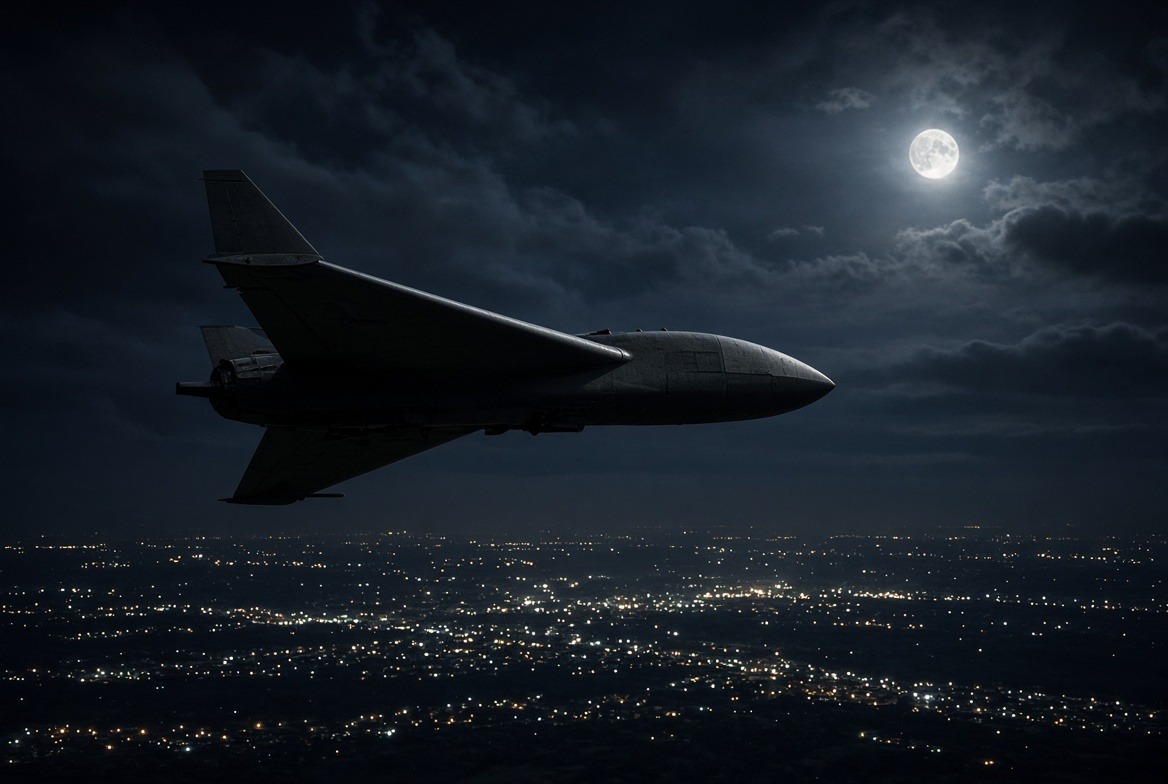
The conflict in Sudan has entered a brutal new phase, one where the skies themselves have become weapons of mass destruction. Between January and October 2026, drone strikes orchestrated by warring factions claimed the lives of over 1,630 civilians—nearly three-quarters of all recorded civilian deaths in the country during that period. What began as a power struggle between two generals has evolved into a systematic campaign of aerial terror, where precision isn’t measured in accuracy but in the ease of striking targets far removed from traditional battlefields.
Life under fire: the anatomy of a drone campaign targeting Sudan’s lifelines
This isn’t just a war fought with guns and artillery; it’s a war fought by disabling the very infrastructure that keeps society functioning. United Nations investigators have documented a disturbing pattern of attacks on Sudan’s most vulnerable assets:
- Marketplaces turned killing zones: Crowded public spaces, long considered safe havens of daily commerce, have been systematically bombed, leaving entire communities without access to food or income.
- Deliberate strikes on healthcare and education: Schools, clinics, and hospitals have been struck with alarming frequency, forcing millions to forgo essential medical care and denying children their right to education.
- Critical infrastructure under siege: Fuel depots, power stations, and water treatment facilities lie in ruins, cutting off electricity and clean water to millions. The consequences are dire—dialysis patients die when clinics lose power, and entire neighborhoods face dehydration during extreme temperatures.
In the Kordofan and Darfur regions, the impact is catastrophic. These areas, already battered by decades of conflict, now bear the brunt of a new kind of warfare where drones—operated from afar—turn homes into collateral damage and streets into no-go zones.
From revolution to drone war: the political roots of Sudan’s descent into chaos
To understand how Sudan reached this point, we must trace the arc of its political fractures, where ambition and impunity have reshaped a nation’s fate.
2019: The fall of a dictator and the birth of a fragile alliance
For three decades, Omar al-Bashir ruled Sudan with an iron fist. His downfall in April 2019, after mass protests and a military coup, was supposed to mark the beginning of a democratic transition. Instead, power was handed to a fragile alliance between civilian leaders and the military, led by General Abdel Fattah al-Burhan. His deputy in this uneasy partnership was Mohamed Hamdane Daglo, known as “Hemetti,” a former Janjaweed militia leader whose paramilitary forces, the Rapid Support Forces (RSF), had carved out a parallel state of wealth and power through gold mining and other illicit ventures.
October 2021: The coup that shattered democratic hopes
When civilian leaders moved to consolidate power according to the transition agreement, the military leadership refused to relinquish control. In a coordinated coup, al-Burhan and Hemetti seized power, dismantling the fragile democratic experiment and plunging Sudan back into uncertainty. The alliance of convenience between the two generals, once united against civilian rule, now faced an existential test of their own.
April 2023: The unraveling of a fragile peace
The spark that ignited open conflict came on April 15, 2023. A dispute over the integration of RSF fighters into the regular army—essentially a power struggle over who would control the unified military—erupted into full-scale war. What started as clashes in Khartoum’s streets quickly spread to Darfur and Kordofan, igniting a conflict far more destructive than anyone anticipated.
2024–2026: The drone arms race and the normalization of war crimes
What began as a conventional conflict has spiraled into a technological nightmare. With foreign arms supplies fueling both sides, the war expanded beyond traditional frontlines. By late 2025, ethnic cleansing campaigns in Darfur and the fall of key cities like El-Fasher had already displaced millions. The response? A rapid militarization of aerial warfare. Drones became the weapon of choice—not for their precision, but for their ability to project terror without risking one’s own soldiers. Over 25 million Sudanese now live in conditions of acute humanitarian and food insecurity, their suffering compounded by an invisible enemy in the sky.
Legacy of impunity: when war crimes become standard operating procedure
The United Nations has labeled the drone campaign in Sudan as a flagrant violation of international humanitarian law. The targeting of civilians, the destruction of essential services, and the use of weapons designed to maximize civilian harm are not collateral damage—they are calculated tactics. Human rights advocates warn that this strategy is being normalized, setting a dangerous precedent for modern warfare. As Volker Türk, the UN High Commissioner for Human Rights, stated, “The disregard for the laws of war is not an accident—it is a deliberate choice.”
The world watches as Sudan descends into a war where the sky itself is the battlefield, and civilians pay the ultimate price.