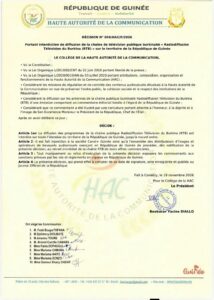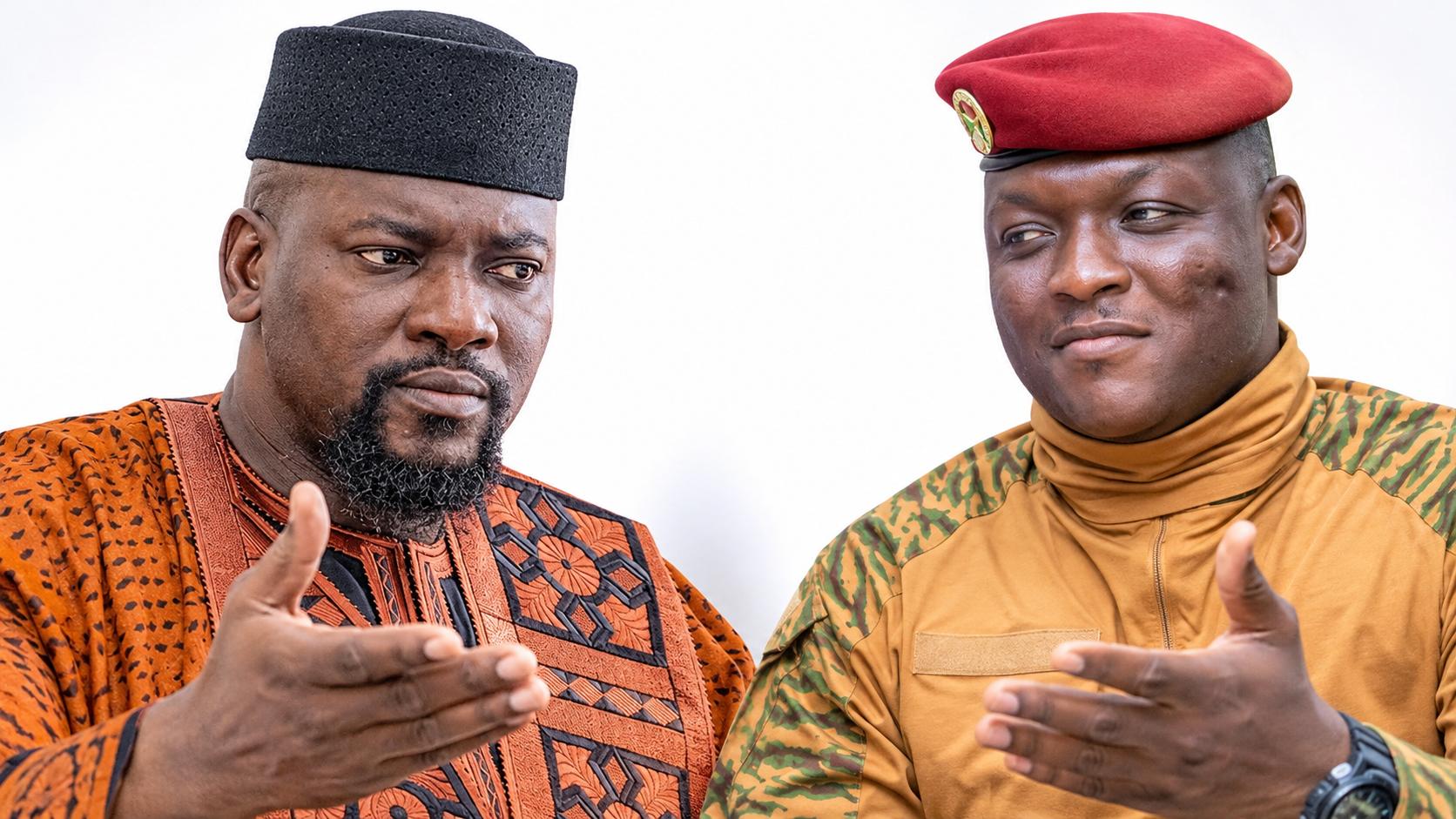

When Burkina Faso’s state media launched a scathing documentary targeting Guinea’s mining governance, it framed the issue as a struggle for resource sovereignty in West Africa. The documentary condemned Conakry’s policies for allegedly sacrificing local communities to foreign mining giants. While the message—African gold should benefit Africans—resonates widely, Ouagadougou’s critique of Guinea forces an uncomfortable question: is Burkina Faso holding up a mirror to its own practices?
Gold rush regulation: sovereignty in practice or double standards?
The Burkinabè narrative criticized Guinea for forcibly clearing artisanal mining zones, disrupting local livelihoods. Yet within weeks, Burkina Faso executed a similar maneuver on its own soil. On July 2, 2024, the government suspended operations across multiple illegal gold sites in the Hauts-Bassins and Cascades regions. Officials reported seizing over 60 excavators, revoking artisan mining permits, and removing illegal operators. The two countries’ enforcement tactics raised a key difference: why does coercive regulation signify sovereignty in Burkina Faso but compromise Guinean autonomy?
Foreign capital’s tangled role in West African gold economies
The contradiction deepens when examining the role of multinational corporations. Burkina Faso routinely condemns foreign mining firms active in Guinea, yet its own gold sector remains structurally reliant on international operators. Official 2024 ITIE data reveals that 87% of Burkina Faso’s 60.77 tons of gold production comes from industrial mines—mostly foreign-run. Russian mining giant Nordgold alone controls three major operations, accounting for 20% of the country’s industrial gold output. While foreign investment drives revenue and technology transfer, portraying their presence as a breather of sovereignty in one country while branding it colonial subjugation in another exposes a glaring inconsistency in policy.
Sovereignty under scrutiny: what does genuine resource autocracy look like?
The back-and-forth between Ouagadougou and Conakry reveals a broader challenge: panafricanist rhetoric often shifts with political winds, risking a loss of moral authority. Sustainable resource autocracy shouldn’t fluctuate based on diplomatic tensions or regional alliances. Core principles such as fair contract transparency, equitable revenue sharing, environmental safeguards, and community rights must apply consistently—regardless of border. Without universal standards, sovereignty discourse risks becoming just another political instrument, hollowed out by selective indignation.
What comes next for west africa’s gold governance?
As both nations navigate evolving mining landscapes, the spotlight turns to policy coherence. Burkina Faso’s critique of Guinea underscores the need for internal alignment: if sovereignty is a guiding principle, it must transcend rhetoric and manifest uniformly across domestic and foreign contexts. The question is no longer only about who mines the gold, but whether African-led governance models can deliver on their promises—without falling into the trap of geopolitical convenience.