
Why Niger’s new World Bank funds come with governance questions
The World Bank’s pledge of an additional $760 million for Niger’s energy, agriculture and water sectors arrives amid a sharp decline in the country’s budget transparency. While such funds could transform infrastructure and social services, their management hinges on a critical question: who will oversee this money and ensure it serves its intended purpose?
From opportunity to accountability challenge
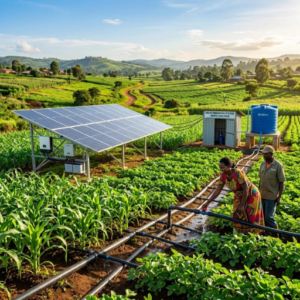
In November 2026, Niger’s capital Niamey hosted a landmark announcement. World Bank Vice-President for West and Central Africa Ousmane Diagana unveiled plans for a $760 million boost, complementing an existing portfolio exceeding $4 billion. The focus areas—energy, agriculture and water—align with the country’s most pressing needs: power shortages, food insecurity and water scarcity.
This financial lifeline could catalyze development, but its effectiveness depends entirely on transparent administration. Without clear mechanisms for tracking spending, auditing projects and involving citizens, even the most ambitious funding risks inefficiency or worse. The challenge is not merely technical; it is political and institutional.
A transparency crisis deeper than the numbers
The International Budget Partnership’s 2023 Open Budget Survey ranked Niger 89th out of 125 countries with a score of 33 out of 100 in budget transparency. By 2025, the score plummeted to just 6—a drop of 27 points in two years. Critical components like public participation and oversight mechanisms registered zero points.
These figures reflect more than statistical decline; they expose systemic weaknesses. Citizens struggle to access budget documents, engage in fiscal decisions or scrutinize public spending. As Niger prepares to absorb hundreds of millions in new aid, the tools for accountability appear dangerously compromised.
The role of oversight in a shrinking civic space
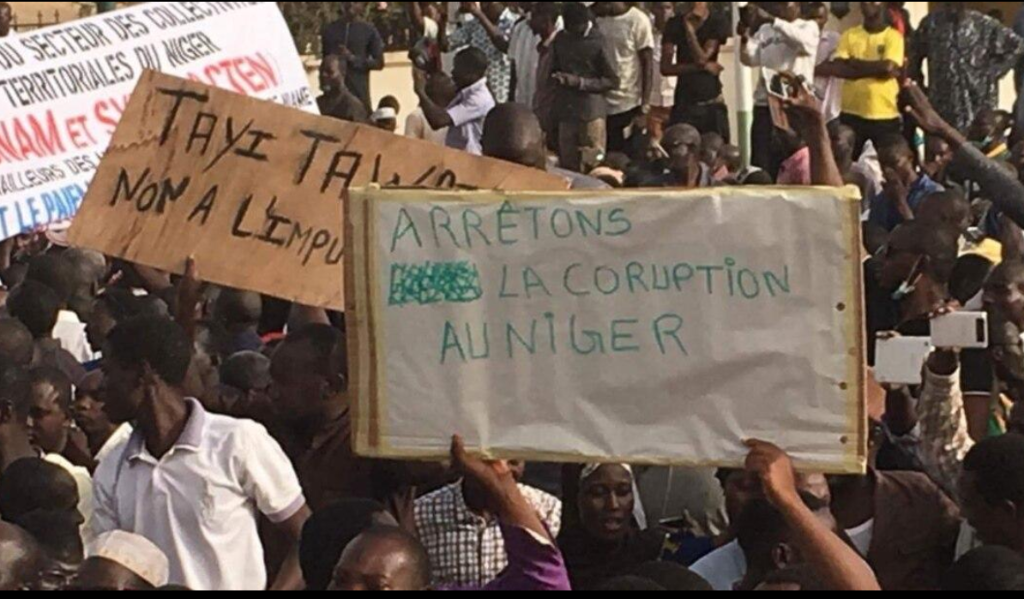
The erosion of transparency coincides with growing restrictions on civil society, independent media and nongovernmental organizations. When journalists face censorship, NGOs face suspension and dissenting voices are silenced, the ecosystem of public accountability weakens. This environment raises a vital concern: how can funds be monitored fairly when democratic safeguards are under siege?
Transparent financial management requires more than government declarations; it demands robust civic engagement. Without it, risks escalate—corruption, inflated contracts and misallocated resources—undermining both development goals and public trust.
Who will guard the $760 million?
For Niger’s government, the stakes are clear. To prevent misuse, authorities must commit to radical transparency before funds are disbursed. Key actions include:
- Publishing loan terms, sectoral allocations and repayment schedules—especially for components structured as loans.
- Disclosing tender processes, beneficiary companies and execution reports.
- Implementing independent, periodic audits to verify alignment with announced goals.
The World Bank, too, bears responsibility. Its oversight must ensure corruption prevention, beneficiary protection and alignment with development outcomes. Without these guardrails, large-scale funding can exacerbate rather than resolve governance challenges.
Sovereignty, accountability and the paradox of financial independence
Niger’s leadership has framed economic sovereignty as a pillar of its political agenda. Yet sovereignty is not merely about reducing external dependencies; it demands accountable stewardship of public resources. A nation cannot claim autonomy while silencing the voices that hold its leaders to account.
The $760 million infusion could elevate living standards and build resilience. But without transparency, citizen participation and independent oversight, even generous aid risks becoming a liability masquerading as progress. The real test lies not in securing funds, but in ensuring they serve the people they are meant to help.
The path forward: transparency as the ultimate development tool
Niger now stands at a crossroads. It can embrace the World Bank’s pledge as a catalyst for transformation—or it can allow opacity to erode its potential. The choice will shape not only the country’s financial future, but its democratic credibility. For a resource-rich country with resource-poor governance, transparency is not an option; it is an imperative.