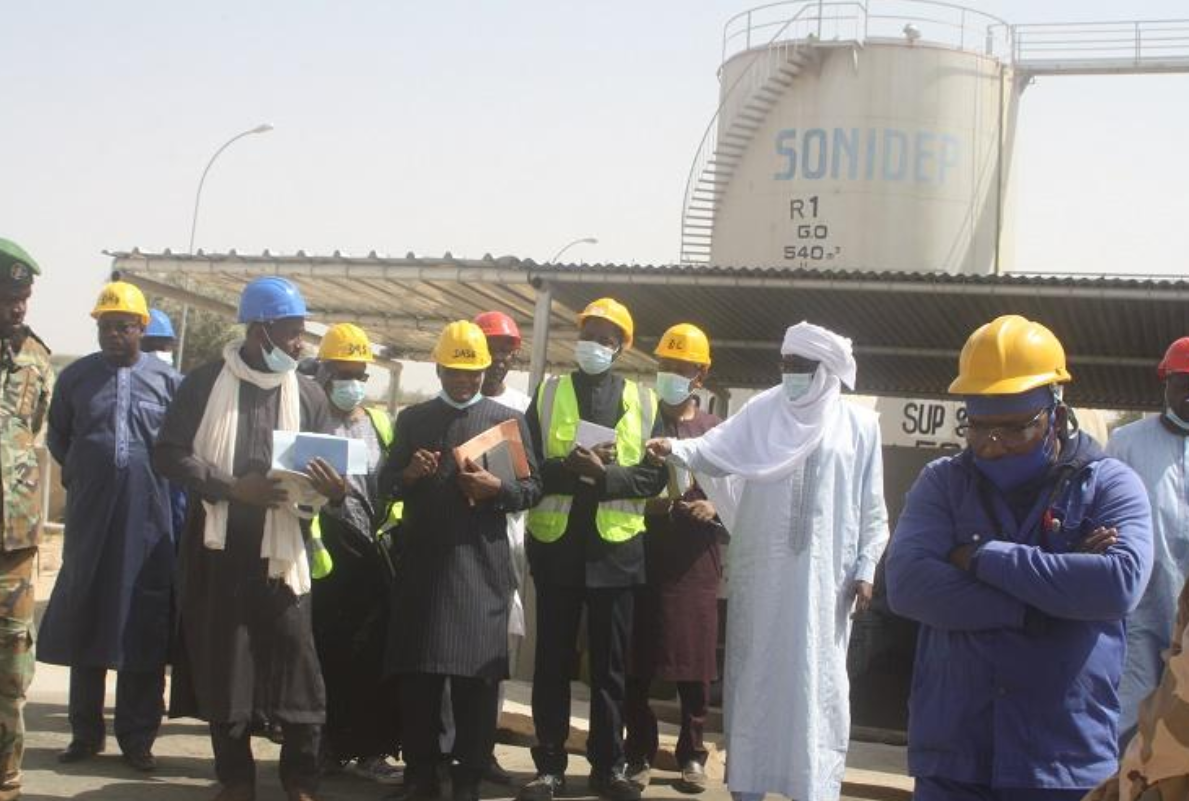

Behind the staggering sum of 7 billion FCFA lurks a story far bigger than missing funds—it’s a story of political influence, institutional resistance, and the delicate balance of power in Niger’s oil sector. The recent audit of the National Oil Products Company (SONIDEP) has uncovered financial irregularities that could reshape the country’s approach to transparency in resource management.
Unpacking the 7 billion FCFA irregularities in Niger’s oil sector
The State Inspectorate General (IGE) launched an investigation into SONIDEP with the stated goal of uncovering mismanagement within the national oil company. Early findings, however, have already exposed irregularities totaling 7 billion FCFA—based on the examination of just two case files. With nearly 100 additional documents still under review, the full scope of these financial discrepancies remains unknown.
What makes this figure alarming isn’t just its magnitude but the context in which it emerged. The audit’s progress has been disrupted by internal and political pressures, raising concerns about whether systemic oversight is being compromised. The question lingers: if the first two files reveal such significant financial deviations, what further revelations lie in the remaining documents?
Political interference casts a shadow over SONIDEP’s audit
The investigation took a dramatic turn when it began touching on sensitive interests within the government. Reports indicate that efforts to halt the IGE’s inquiry intensified as influential figures—directly connected to the suspected mismanagement—feared exposure. The decision to suspend the audit, allegedly ordered by high-ranking officials, underscores a troubling pattern: accountability appears to falter when investigations implicate the regime’s inner circle.
This isn’t just a procedural setback—it’s a structural challenge. When audits targeting financial transparency are abruptly paused, it signals that political protection may outweigh institutional integrity. The public is left wondering: where does the fight against corruption end when its reach extends into the highest echelons of government?
The Issaka Gado appointment: coincidence or strategic move?
The sudden nomination of Issaka Gado—a former SONIDEP board chair and brother of the former prime minister—to Djibouti’s UN diplomatic post has fueled speculation. The timing of his reassignment, coinciding with growing scrutiny over oil sector audits, has raised eyebrows. Was this a routine administrative reshuffle, or a carefully calculated maneuver to distance a key figure from an unfolding scandal?
Regardless of intent, Gado’s deep involvement in the SORAZ-SONIDEP relationship makes this transition noteworthy. His predecessor, Dr. Sahabi Oumarou, had also attempted to revive audits between the two entities—only to face removal from his position. The pattern is clear: those who push for transparency often find themselves sidelined.
Audit attempts that never reach completion: a recurring pattern
The history of SORAZ-SONIDEP audits reveals a cycle of abandoned scrutiny. Under former leadership, Gado initiated audits that led to severe consequences: a year-long detention for a minister and four months for himself. Later, Dr. Oumarou’s efforts to resume these audits were abruptly curtailed when he was removed from office. These repeated interruptions suggest systemic resistance to full financial disclosure.
Even the current administration’s proposal to bring in Mazars, an international audit firm, has stalled. Despite a signed commitment from April 2026, no action has been taken. What—or who—is blocking progress? Without an independent review, allegations of corruption risk lingering unresolved, undermining public trust.
Diplomatic maneuvers: a new battleground for old rivalries
The minister of petroleum’s recent remarks about UN corridors harboring regime loyalists only deepen the intrigue. As Issaka Gado assumes a diplomatic role in Djibouti, questions arise: are international postings serving as political safe havens for figures entangled in domestic controversies? Or are they merely standard diplomatic assignments?
The blurred lines between state representation and personal protection complicate the narrative. While no direct link between Gado’s appointment and the IGE audit has been confirmed, the coincidence underscores a broader issue: oil sector governance cannot be disentangled from political maneuvering.
Why the SONIDEP scandal matters beyond the numbers
The 7 billion FCFA discrepancy is not just a financial red flag—it’s a symptom of a deeper crisis in governance. Niger’s oil assets, managed by SONIDEP and SORAZ, are vital to the national economy. When audits reveal irregularities yet face interference, it erodes public confidence in institutions designed to protect it.
The stakes are high. If allegations of political interference in audits hold weight, the credibility of Nigeria’s anti-corruption agenda could crumble. This case isn’t just about missing funds; it’s about who holds power, who wields influence, and whose interests ultimately prevail in the management of Niger’s most lucrative resource.
What’s next for Niger’s oil sector investigations
The suspended IGE audit at SONIDEP remains a flashpoint. Will the remaining documents ever see the light of day? Who will be held accountable for the reported irregularities? And why do audits consistently stall when they approach powerful networks?
For the Nigerian people, answers are overdue. Transparency in the oil sector isn’t a luxury—it’s a necessity. The question isn’t just what was hidden, but who benefited from the concealment.