
Behind the diplomatic handshake: a partnership with deeper implications
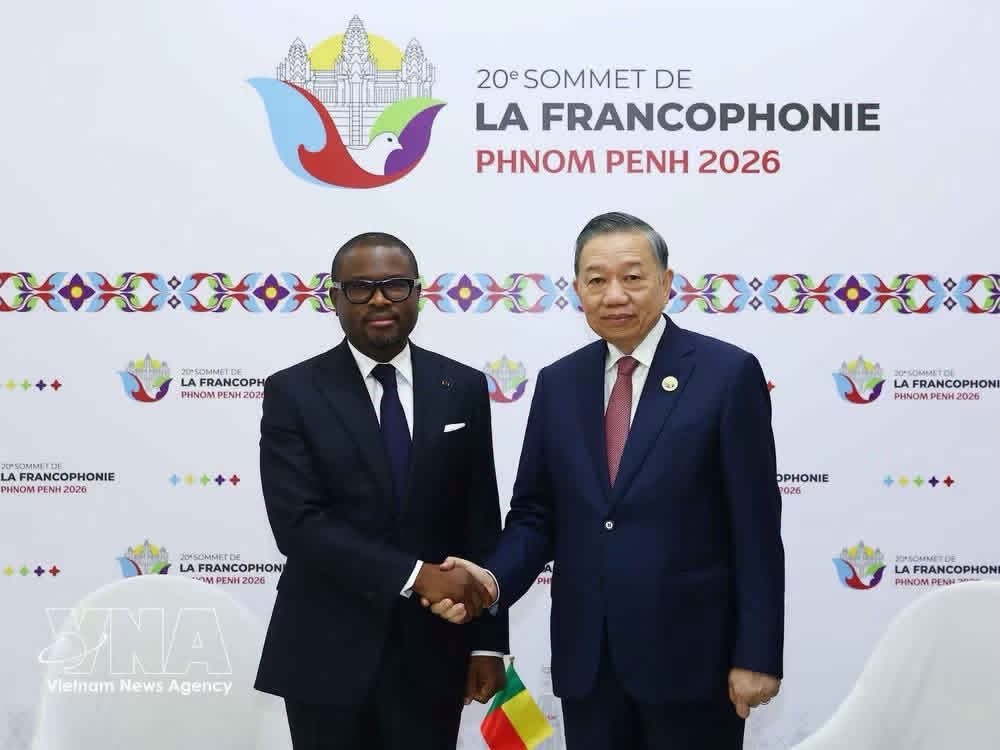
When Beninese Finance Minister Romuald Wadagni sat down with his Vietnamese counterpart Tô Lâm in Phnom Penh last November, the discussions went beyond mere diplomatic courtesy. The encounter on the sidelines of the Francophonie Summit marked the beginning of what could become a defining economic shift for Benin. At the center of their talks were rice, cashews, cotton, aquaculture, and port infrastructure sectors that could either reinforce Benin’s role as a raw material supplier or propel its industrial ambitions forward.
Cashew nuts: a test case for Benin’s industrial strategy
The cashew nut industry illustrates the dilemma Benin faces. Vietnam, a global leader in cashew processing, has long relied on imports of raw nuts, including from West Africa. Benin, one of the continent’s top producers, finds itself in a paradoxical position: its farmers provide the raw material, while most of the economic value processing, packaging, trading occurs overseas. This dynamic risks locking Benin into a low-value role, leaving lucrative stages of the supply chain outside its borders.
The true potential of cashew, however, lies not in export alone, but in transforming it locally. Each step of processing shelling, roasting, grading, and packaging creates jobs, builds industrial skills, and multiplies revenue. Benin’s challenge is to move beyond selling raw produce and instead attract Vietnamese investors to establish processing plants within its borders. This would shift the nation from a mere supplier to a participant in a full-fledged industry.
The slow progress of existing agreements
Two years ago, Benin and Vietnam signed an agricultural cooperation agreement, promising mutual benefits across several crops. Yet, despite the high-level commitment, little has materialized on the ground. The delay raises a critical question: why have these promises not translated into concrete projects? The answer may lie in misaligned expectations, regulatory hurdles, or a lack of targeted incentives for investors. What is clear is that Benin can no longer afford to focus on signing agreements it must now focus on enforcing them and creating conditions that make investment attractive.
Rice, cotton, and aquaculture: beyond just exports
The same logic applies to rice, cotton, and fish farming. Benin’s negotiating strategy must go further than finding buyers for its produce. It should prioritize partnerships that enhance agricultural yields, introduce modern farming techniques, and promote local processing. For instance, rice mills and textile factories built in Benin would not only reduce import dependency but also generate jobs and stimulate rural economies. Likewise, aquaculture ventures that include processing facilities could capture more value from Benin’s fishing industry.
The port infrastructure critical to economic expansion
No supply chain thrives without efficient logistics. Port infrastructure is the backbone of any trade strategy. Without modern storage facilities, streamlined customs procedures, and competitive freight networks, even the most promising agreements will yield limited results. Benin’s ability to handle increased trade volumes depends on upgrading its ports both at Cotonou and in future projects like the Port of Sèmè so that cargo moves faster and costs stay low. This is not just a logistical concern; it is an economic imperative.
The fallacy of diplomatic photo ops vs. real economic impact
Diplomatic summits are often measured by the number of handshakes and the length of joint statements. But the real test lies elsewhere: in the factories built, the jobs created, and the technologies transferred. Benin’s leadership must adopt a results-driven approach. This means setting clear benchmarks for Vietnamese investment, monitoring progress rigorously, and ensuring that local communities benefit directly from economic cooperation.
The stakes are high. Benin risks becoming a mere source of raw materials if it fails to leverage this partnership for industrial development. But if it succeeds in attracting processing industries, training its workforce, and retaining more value within its borders, Vietnam could become a catalyst for a transformative economic leap one that turns Benin’s resources into prosperity for its people.
The path forward: negotiating with purpose
Wadagni’s meeting with Tô Lâm was more than a diplomatic formality it was the opening salvo in a negotiation where Benin must assert its economic sovereignty. The goal is clear: to ensure that every deal signed brings the nation closer to industrial self-reliance. That requires not just ambition, but strategy targeted policies to attract investors, legal reforms to protect local industries, and a commitment to follow through on every promise made.
Benin stands at a crossroads. It can continue down the well-trodden path of exporting unprocessed goods, or it can seize this moment to become an industrial player. The Vietnam partnership offers a rare opportunity to do both. The question is whether Benin will use it to build factories on its soil and not just farms.
By Moussa Samuel Coulibaly — Journalist