
Why Benin’s top lawmaker is doubling down on Niger and Burkina Faso ties
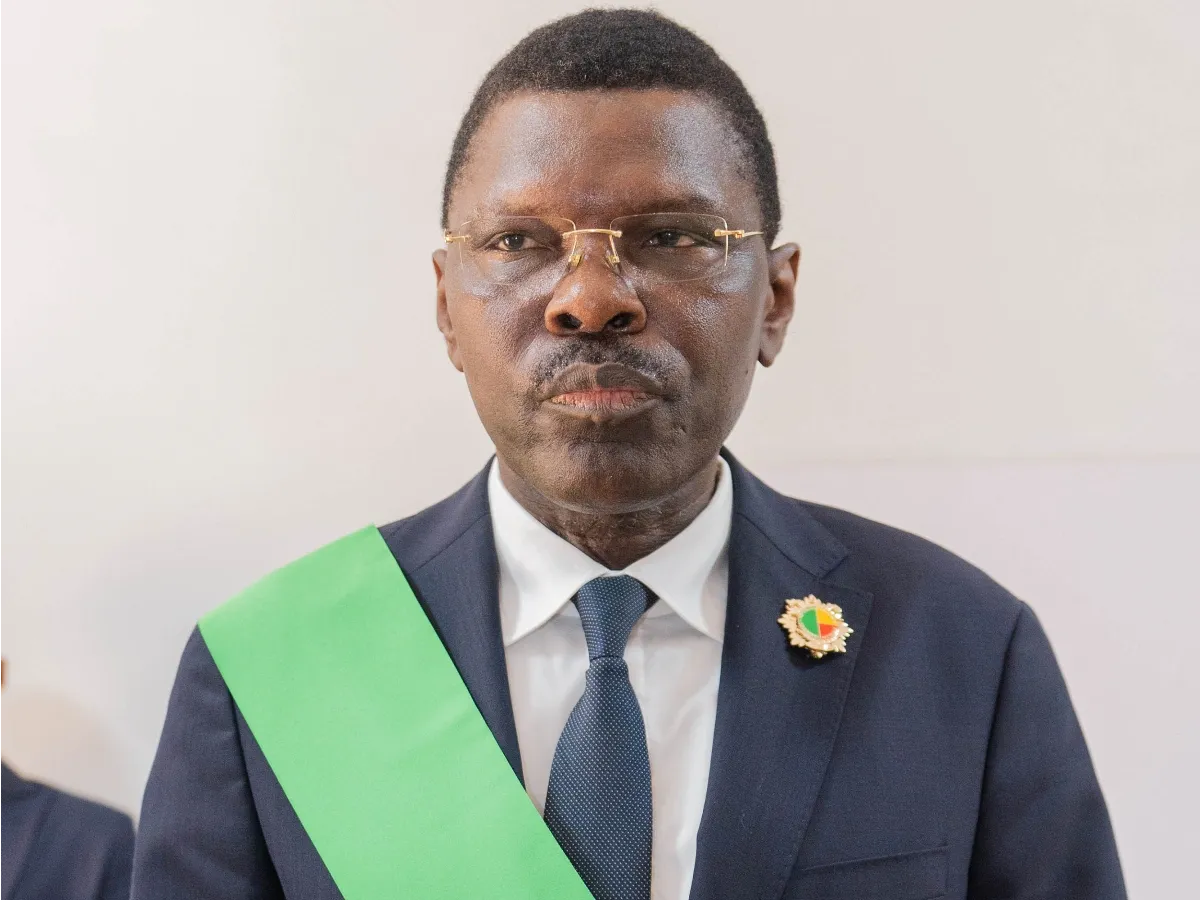
As the 86th executive committee meeting and 48th presidents’ conference of the African Parliamentary Union (APU) drew to a close in Lomé, Togo, Benin’s Speaker of Parliament, Joseph Fifamè Djogbénou, made a carefully calibrated intervention—not with a megaphone, but with quiet resolve. Days after Benin’s border with Niger remained officially closed for the second year running, Djogbénou chose to frame the standoff not as a rupture, but as a temporary shadow in a longer arc of fraternity. His message carried a dose of realism: « As long as the night of discord lasts—even if I hope it is fleeting—the morning of peace will eventually break.»
Inside the diplomacy: what’s really driving Cotonou’s persistent outreach
Behind the polished plenary statements and the round of applause in Lomé lies a deeper calculus. Benin’s legislative branch has, over the past two electoral cycles, maintained an unbroken line in its foreign policy—despite regime changes in Cotonou. From the executive suite to the back benches of the National Assembly, Djogbénou and his peers insist that continuity is not coincidence; it is state conviction. The outreach to Niamey and Ouagadougou is no election-year stunt. It reflects a broader belief that Benin’s security, trade flows, and demographic stability are inextricably tied to the Sahel’s fate.
Institutional inertia or strategic pivot?
Critics sometimes argue that Benin’s diplomacy is merely reacting to pressure—either from regional blocs or from donors. Yet parliamentary records show that Djogbénou’s initiative predates the latest round of sanctions and travel bans. In closed-door sessions, he has repeatedly invoked Benin’s own history: a country that has absorbed waves of refugees, hosted displaced markets, and seen its coastal ports become lifelines for landlocked neighbors. The message is clear: peace is not a favor, but a necessity.
What the numbers say about Benin–Niger–Burkina Faso interdependence
Trade flows tell the story in hard figures. Before the 2023 closure of the Sémè-Kraké border post, Benin’s transit corridors handled nearly 40 % of Niger’s formal imports and a quarter of Burkina Faso’s. Those lanes are now rerouted through ports in Abidjan or Lomé, adding days and dollars to supply chains. Djogbénou has translated those costs into a blunt parliamentary question: « When Europe turns away Africans, does it distinguish between a Beninese trader and a Nigerien farmer? The answer is no.» In one sentence, he reframed the dispute from a bilateral quarrel into a continental liability.
The hidden costs of border closures
- Food security: Niger’s cereal deficits are met partly through Beninese markets; delays in cross-border clearance have already nudged prices upward in Parakou and Natitingou.
- Energy transit: Benin’s electricity exports to northern Burkina Faso have dwindled, straining Ouagadougou’s grid and exposing Cotonou to accusations of unreliability.
- Migration waves: Closed borders do not stop movement; they drive it underground, increasing human-trafficking risks along routes that straddle all three countries.
Can parliaments break political logjams?
Djogbénou’s push is, first and foremost, an appeal to institutional synergy. He has urged the foreign affairs committees of all three parliaments to schedule joint oversight missions, technical exchanges, and—crucially—confidence-building visits by legislators to border communities. The parliament, he argues, is the only venue where elected representatives can meet face-to-face when governments are constrained by protocol or protocol is weaponized as leverage.
Where diplomacy and development overlap
Behind the scenes, Benin’s legislative team has quietly drafted a non-binding resolution urging the creation of a West African transit observatory. The body would pool customs data, weather transit disruptions in real time, and propose rapid-response corridors. Such a mechanism would depoliticize everyday blockages while giving parliaments a shared dashboard of evidence they can wave in ministers’ faces when complacency sets in.
The road ahead: three scenarios worth watching
Djogbénou’s gambit is unfolding against a backdrop of three possible outcomes:
- Scenario one – managed drift: The border remains closed, but both sides tolerate informal trade corridors. The cost of doing business rises, but institutions adapt. Risk: a slow-burn erosion of trust.
- Scenario two – negotiated thaw: A technical committee of parliamentarians and technicians reopens a single secondary crossing within six months, coupled with joint patrols against smuggling. This would buy time for a political thaw.
- Scenario three – institutional spillover: If the transit observatory gains traction, it could expand into a broader customs union secretariat, effectively side-stepping the stalled ECOWAS process.
The arithmetic of peace
For Djogbénou, the math is simple: one unstable neighbor equals a less stable Benin. His diplomacy is not about grand gestures; it is about ensuring that the next crisis finds the region with deeper, institutionalized channels of communication. « We are not courting Niamey or Ouagadougou out of charity,» he told delegates. « We are securing the future we share.» Whether that future arrives in six months or six years, the Beninese parliament is quietly building the scaffolding now.