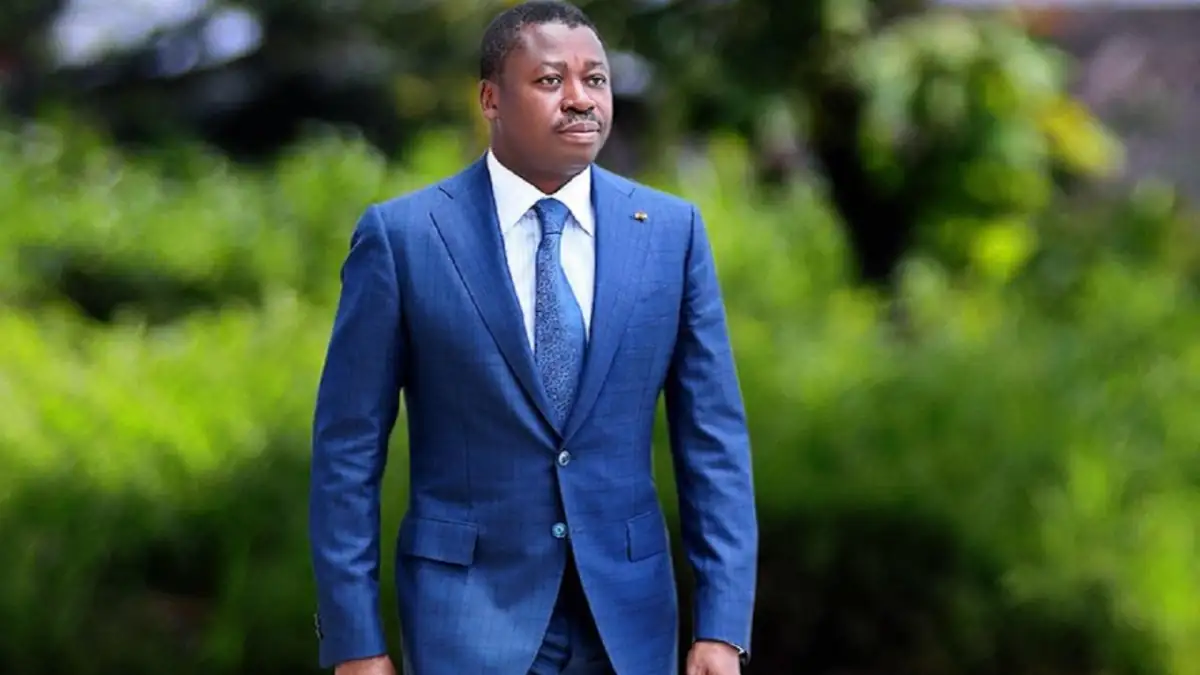

The Nuclear Energy Innovation Summit for Africa is in full swing in Kigali, Rwanda’s bustling capital. High-level delegates from across the continent have gathered to shape the future of nuclear energy on the African continent. Today, Togolese President Faure Gnassingbé outlined his vision for Africa’s nuclear ambitions, calling for balanced international cooperation rather than one-sided technological assistance.
Addressing the assembly, Gnassingbé made a bold statement: « Africa is not seeking handouts in nuclear technology. Instead, we are offering a partnership—one based on mutual benefit, market opportunities, and a mature vision of our energy future. »
African nations push for greater control in civilian nuclear development
Gnassingbé’s remarks come as multiple African governments accelerate their civilian nuclear programs. Egypt is constructing the El Dabaa nuclear power plant with international technical and financial backing, while South Africa operates the continent’s only currently active nuclear facility, Koeberg.
The International Atomic Energy Agency reports that several African countries are negotiating with foreign partners to expand nuclear power capacity. These efforts aim to address soaring electricity demand and chronic access deficits, positioning nuclear energy as a key solution for sustainable growth.
Gnassingbé’s stance reflects a broader African push to redefine its role in global nuclear negotiations, emphasizing economic cooperation over dependency.
Uranium riches and technological gaps shape Africa’s nuclear landscape
Africa holds vast uranium reserves, with Niger and Namibia among the continent’s top producers. This mineral is critical for nuclear fuel, yet most African nations rely on foreign expertise for reactor design, construction, and maintenance. Current projects depend heavily on partnerships with countries boasting advanced nuclear industries.
Training, regulation, and funding: the pillars of Africa’s nuclear future
Summit discussions highlighted three critical priorities: workforce development, regulatory frameworks, and financing. Experts underscored the need to train nuclear engineers and safety personnel while establishing independent regulatory bodies—a prerequisite for any civilian nuclear expansion. Funding remains another hurdle, with projects often requiring billions over decades-long timelines.
Next steps include finalizing cooperation agreements announced at the summit and launching national nuclear development programs in participating countries.