
For decades, most African nations have relied heavily on imported pharmaceuticals to meet their healthcare needs. Today, urgent action is needed to shift this dependency and secure the continent’s pharmaceutical independence.
Why Africa cannot afford to remain dependent
Despite progress, fewer than five African countries operate manufacturing units capable of exporting beyond their borders. This leaves the continent importing over 94% of its medicines at an annual cost exceeding $18 billion—a figure projected to surpass $30 billion by 2030. Beyond economic strain, this reliance creates profound structural vulnerabilities in healthcare systems.
Critical medicine shortages plague public health facilities across Africa. More than 70% report at least one severe stockout each quarter. The consequences are dire: untreated illnesses, inflated drug prices during shortages, and stalled public health programs. The Covid-19 pandemic exposed these risks starkly, with recurring shortages of essential medicines like amoxicillin, insulin, anesthetics, and life-saving cancer treatments. Is it sustainable for 1.4 billion Africans to depend on decisions made outside the continent?
Africa’s untapped potential in pharmaceutical independence
The continent possesses key advantages to build a self-sufficient pharmaceutical industry:
- A rapidly expanding market: Africa’s pharmaceutical sector could exceed $70 billion by 2030, driven by population growth and rising demand.
- Rich biodiversity: Over 5,400 medicinal plants have been documented, some already integrated into official treatment protocols.
- Regulatory momentum: The African Medicines Agency (AMA), ratified by 27 countries, is harmonizing standards and strengthening oversight.
- Political will: Nations like Burkina Faso, Rwanda, Egypt, Morocco, Senegal, and South Africa are pioneering ambitious local production initiatives.
Building a sustainable pharmaceutical future
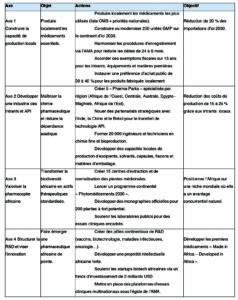
Africa cannot replicate the models of multinational pharmaceutical giants without addressing foundational gaps. Prioritizing imported equipment over local expertise has led to costly, inefficient production tied to foreign raw materials and technologies. True pharmaceutical independence requires:
- Investing in human capital and technical skills.
- Strengthening supply chains with locally sourced ingredients.
- Aligning policies with Africa’s unique healthcare needs.
A coordinated strategy must prioritize accessible, high-impact segments of the pharmaceutical value chain. By leveraging Africa’s market potential, natural resources, and regulatory progress, the continent can transition from dependency to leadership in global health.
Dr. Arnaud Kaboré
Pharmacist & Healthcare Executive