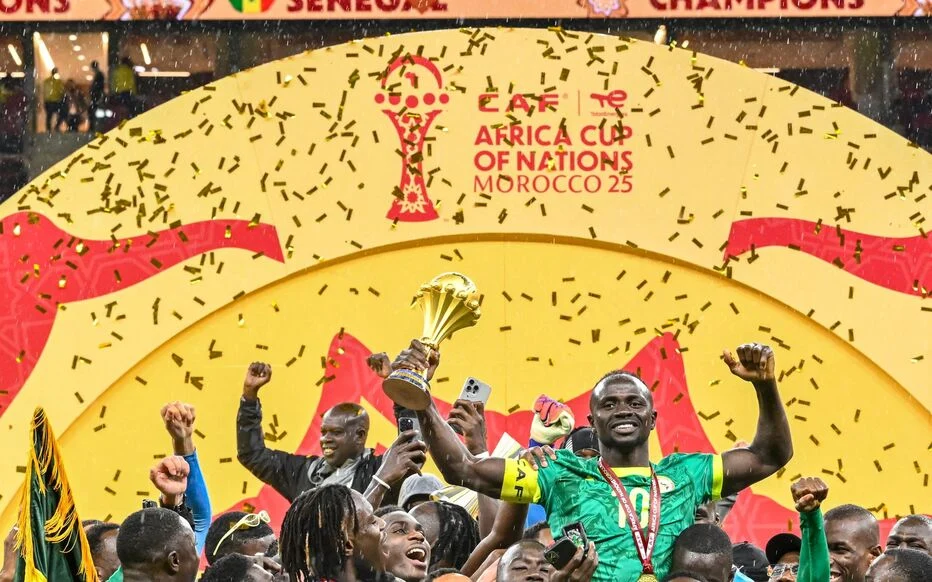
Alexandre Ruiz weighs in on Senegal’s CAN 2025 championship debate
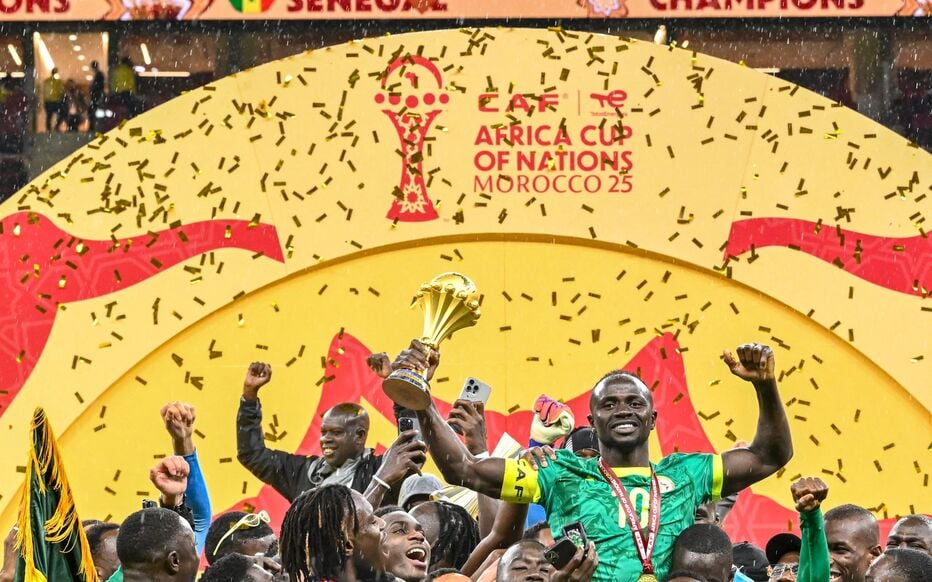
Alexandre Ruiz weighs in on Senegal’s CAN 2025 championship debate
Amidst a swirling controversy surrounding the African championship title, Senegal finds itself at the epicenter of a fervent discussion regarding the legitimacy of its triumph at the CAN 2025. While the Court of Arbitration for Sport (TAS) is yet to render its definitive ruling, diverse viewpoints fuel an animated national discourse.
Renowned journalist Alexandre Ruiz recently reignited the discussion concerning Senegal’s standing in the CAN 2025. This comes as the Court of Arbitration for Sport (TAS) has not yet delivered its conclusive verdict on the appeal lodged by the Senegalese Football Federation. To recap, the Confederation of African Football (CAF) had previously rescinded Senegal’s victory in the final match against Morocco, subsequently awarding the championship title to the Moroccan side following a disciplinary ruling. Challenging this penalty, Senegal escalated the matter to the TAS, which is still deliberating on the case.
Within this unresolved scenario, various media pronouncements continue to stoke the ongoing debates. French journalist Alexandre Ruiz articulated a firm stance on the sporting outcome of the encounter, irrespective of the legal framework.
Ruiz firmly stated, “For me, there was a final whistle, a winner, and at the final whistle, the winner is right. Senegal is the champion of Africa.” This declaration, widely circulated, resonated profoundly in Senegal, where a segment of public opinion maintains that the result achieved on the field should remain the definitive benchmark, notwithstanding any subsequent administrative rulings.
It is important to note that Alexandre Ruiz’s perspective does not alter the current regulatory landscape. Institutionally, the CAF upholds its initial decision, which was predicated on the enforcement of its disciplinary regulations. These rules led to the sanctioning of Senegal and the subsequent modification of the competition’s ultimate result.
Conversely, the Senegalese Football Federation vigorously disputes this interpretation of events and awaits the arbitration from the TAS, recognized as the ultimate authority capable of definitively resolving this dispute. Until this crucial decision is delivered, the championship title remains legally assigned according to the CAF’s provisional findings.
Beyond the purely legal dimension, the journalist’s statement primarily rekindles a broader discussion regarding the supremacy of on-field performance in contemporary football. For some analysts, the athletic outcome secured at the conclusion of a match ought to be the central determinant, whereas for others, disciplinary regulations are an intrinsic component of competition and can justifiably alter a sporting result.
Alexandre Ruizchampion d’AfriqueSenegal