Paul Biya’s health fuels debate over free speech in Cameroon
Paul Biya’s health fuels debate over free speech in Cameroon
The recent six-month imprisonment of online commentator Patrick Mengue for allegedly insulting President Paul Biya has reignited a heated national debate about the limits of free speech in Cameroon. Human rights organizations have swiftly condemned the ruling, framing it as a direct violation of fundamental freedoms, while government officials maintain the decision aligns with existing legal frameworks.
The case hinges on Cameroon’s Penal Code, which criminalizes insults against the President, defamation, slander, and attacks on personal or institutional honor. These provisions, though rarely invoked in recent years, have long drawn criticism from civil society groups who argue they stifle dissent and public discourse.
This isn’t open to interpretation—it’s a strict application of the law, explained Maître Batang Kolon, a prominent Cameroonian lawyer. What’s troubling is that someone was criminalized simply for expressing a prayer. We are deeply concerned about where this leads.
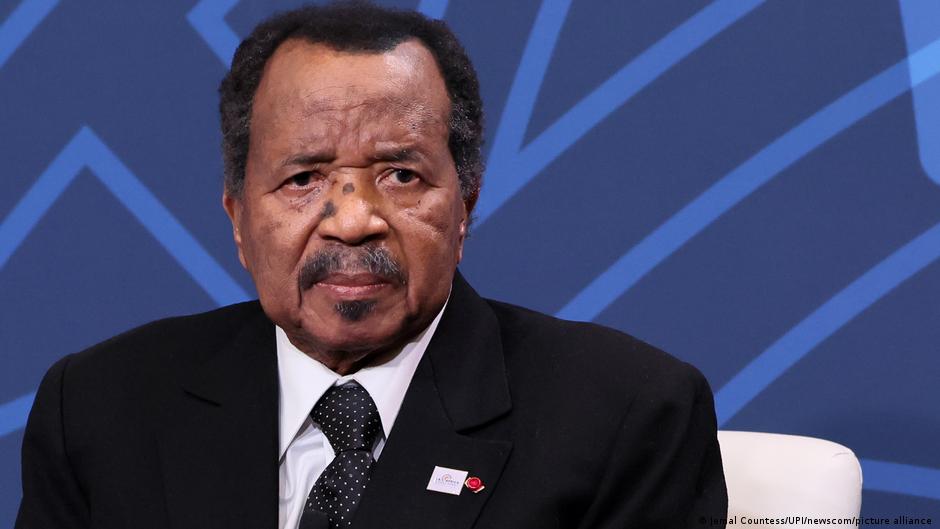
Mengue’s conviction comes at a time when President Biya’s prolonged absence from public view has fueled speculation about his health. The Head of State has been receiving treatment abroad, and no official updates regarding his condition have been released, leaving citizens and observers with more questions than answers.
Precedents that raise concerns
This is not an isolated case. In 2017, renowned author and academic Patrice Nganang was arrested following his public statements about the Anglophone crisis and charged, among other offenses, with insulting the President. Legal battles ensued, leaving a lasting mark on the country’s intellectual and political landscape.
In 2019, activist Sébastien Ebala faced detention after publishing multiple critical posts about President Biya’s leadership. The legal consequences were swift, reflecting a pattern of swift reprisals against dissenting voices.
Going further back, journalist Jean Bosco Talla was handed a suspended one-year prison sentence and a hefty fine in 2010 after publishing an article that referenced a rumor about the Head of State. The case remains a stark reminder of the risks faced by journalists who challenge official narratives.
Free speech under scrutiny
For human rights advocates, these cases paint a troubling picture of Cameroon’s legal system being used to silence critics. Like Patrick Mengue, countless others have been imprisoned for daring to voice their opinions on national politics, noted Cyrille Rolande Bechon, President of the NGO *Les Nouveaux Droits de l’Homme*. It’s disheartening to see a judge deliver such an unjust verdict.
Government authorities, however, defend the prosecutions, asserting that such legal actions are essential to protect state institutions, individual honor, and public order. But in today’s climate, Mengue’s sentence has become more than just a legal ruling—it has become a flashpoint in the ongoing struggle to define the boundaries of free expression across Cameroon.