
Why ECOWAS is re-examining Togo’s constitutional journey
The recent correspondence from the ECOWAS Court of Justice to Lomé underscores a deeper dynamic at play. Nearly nine months after a landmark ruling on Togo’s constitutional reform, the regional judiciary is pressing for transparency on implementation. This legal push comes as the country grapples with its evolving political identity and its shifting diplomatic alliances in West Africa.
The 2024 constitutional shift: a reform or a power retention tactic?
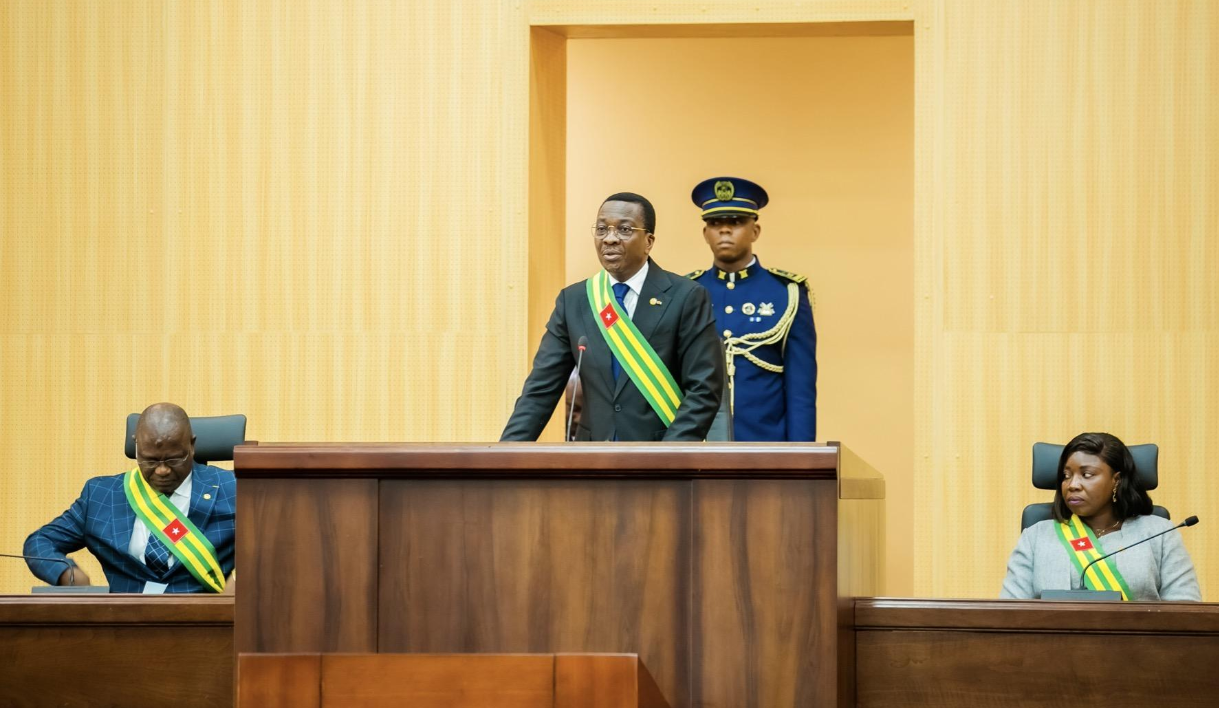
In March 2024, the Togolese National Assembly adopted a new Constitution that replaced the presidential system with a parliamentary one. The move stripped much of the presidential powers, transferring executive authority to a newly created role: the President of the Council of Ministers. But critics argue the reform was less about institutional efficiency and more about preserving centralised control under President Faure Gnassingbé, who has led the country for nearly two decades.
On May 3, 2025, Gnassingbé assumed the presidency of the Council of Ministers—a position now designated by the new Constitution based on parliamentary majority. Opposition groups and civil society organisations have long argued that the reform did not dilute power but merely repackaged it, allowing the same leader to retain executive influence without facing a direct presidential election.
ECOWAS’s intervention: what the regional court has demanded
In a January 29, 2026 ruling, the ECOWAS Court of Justice found Togo in violation of Article 23 of the African Charter on Democracy, Elections, and Governance. The court ordered authorities to ensure future constitutional and institutional reforms comply with international democratic standards. The October 23 letter from the court’s acting registrar, Dr. Ousmane Diallo, requests details on measures taken to enforce this ruling.
Crucially, the court did not annul the 2024 Constitution nor order a return to the previous presidential system. However, its insistence on future reforms being democratically aligned with ratified treaties signals a persistent legal and political tension in Lomé.
The Sahel Alliance factor: how Togo’s diplomacy complicates regional scrutiny
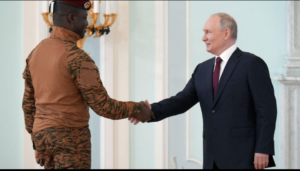
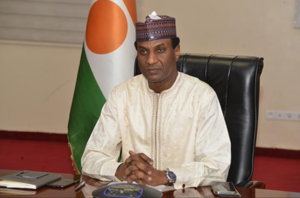
Togo’s evolving relationship with the Alliance of Sahel States (AES)—comprising Mali, Burkina Faso, and Niger—adds a layer of complexity to its constitutional debate. These countries, governed by military juntas, have openly challenged regional institutional norms, advocating national sovereignty over external oversight.
Since early 2025, Lomé has intensified diplomatic and strategic ties with the AES bloc. Public discussions about possible Togolese membership in the Alliance surfaced in January 2025. By April 2026, a new cooperation framework with Sahelian states was unveiled, focusing on political dialogue, security collaboration, and economic integration. While Lomé frames this as a regional stability strategy, the alignment raises questions about shared governance philosophies—especially regarding power concentration, weakened checks and balances, and democratic transitions.
Power, principle, and perception: the core of the controversy
The constitutional reform, ECOWAS scrutiny, and Sahelian alignment converge to create a multi-dimensional political narrative. On one hand, the reform was presented as an institutional modernisation. On the other, it is widely perceived as a mechanism to maintain executive dominance.
The regional court’s renewed demand for accountability forces the Togolese government to confront a fundamental question: Will Lomé use this moment to reinforce democratic norms and state institutions, or will it double down on a trajectory that fuels scepticism about power preservation?
Faure Gnassingbé at the crossroads: what’s next for Togo?
Faure Gnassingbé now faces a critical juncture. The ECOWAS Court’s follow-up communication is not just procedural—it represents a test of Togo’s commitment to international obligations and regional expectations. The silence from Lomé, so far, only intensifies the scrutiny over whether constitutional change truly serves the nation or merely safeguards a long-standing grip on power.
As West Africa undergoes a period of political realignment—marked by military rule, contested transitions, and eroding democratic institutions—Togo’s response may reveal much about its long-term democratic trajectory. The government’s reply to the ECOWAS Court could either reassure regional partners or deepen concerns about institutional fragility and unchecked authority.