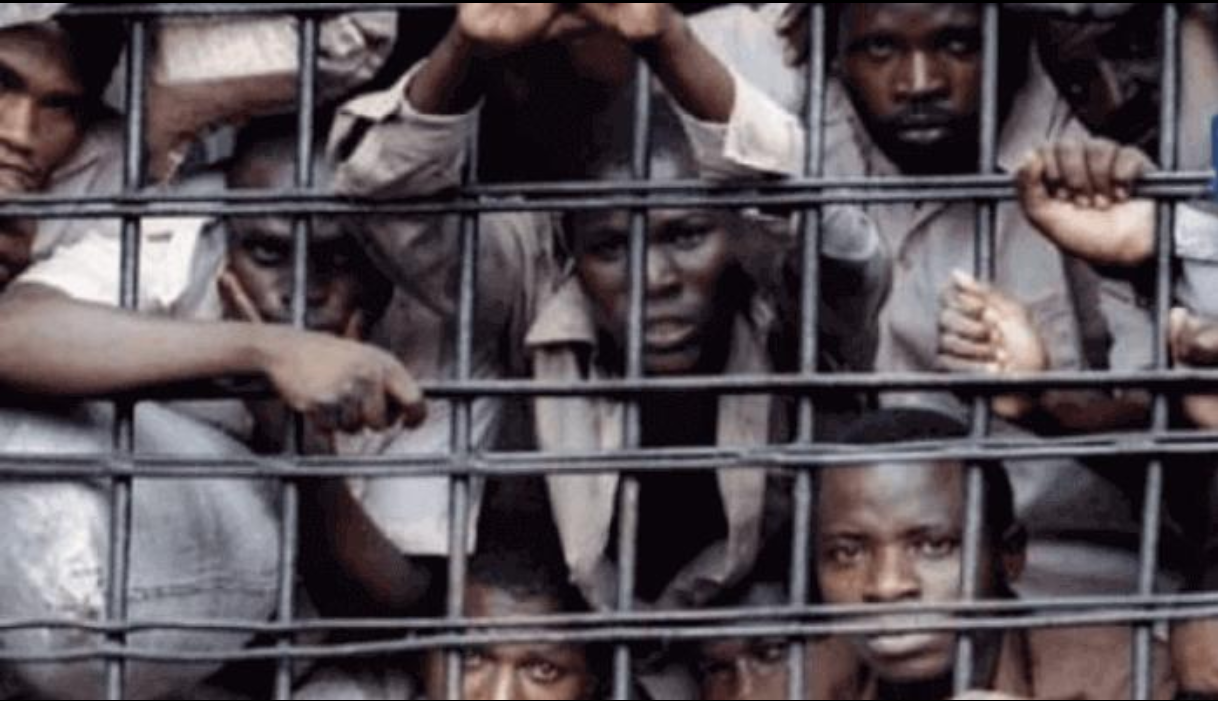

In the heart of Minna, Niger’s state capital, a tragedy unfolded that would shake the foundations of the country’s penal system. Thirty-three individuals—including fourteen minors—perished in a single night from asphyxiation, suffocation, and dehydration in a cramped 12-square-meter cell. The incident, which occurred in September 2026, was not an isolated accident but a symptom of a deeply systemic crisis.
What really happened in the Minna detention center?
On the night of September 16–17, 2026, the Nigeria Security and Civil Defence Corps (NSCDC) in Minna witnessed one of the deadliest incidents in the history of the country’s detention facilities. Nearly fifty detainees were confined in a space barely larger than a standard parking bay. By morning, thirty-three lay dead, their suffering compounded by extreme heat, lack of ventilation, and a complete breakdown in basic human necessities.
Survivors later recounted harrowing accounts of desperation: drinking urine, scraping condensation from walls, and pleading for help that never came. The cell had no potable water supply, functioning toilets, or adequate medical attention. What made this tragedy even more egregious was the apparent indifference of those entrusted with their care. According to an independent inquiry, guards ignored pleas for assistance for hours as detainees gasped for air and pounded on the door.
The institutional roots of a preventable disaster
The inquiry’s findings, released weeks after the incident, painted a damning picture of institutional failure. The cell’s conditions violated every principle of human dignity and penal ethics. More disturbingly, the report confirmed that abuses extended beyond mere neglect: some detainees were held without proper legal documentation, and minors were unlawfully housed with adults—a clear violation of international juvenile justice standards.
The commission also identified structural weaknesses within the NSCDC’s detention protocols, including inadequate staff training, lack of emergency response systems, and a culture of impunity among personnel. These factors did not merely contribute to the tragedy—they made it inevitable.
Arrests without justice: the backlog that fuels overcrowding
While the Minna incident shocked the nation, it reflects a broader crisis plaguing prisons across Africa. According to the United Nations Office on Drugs and Crime (UNODC), over 90 percent of African countries operate detention facilities beyond their official capacity. In Niger alone, the prison population has swollen by 40 percent since 2020, driven largely by pretrial detention. A staggering 37 percent of detainees in 2023 were awaiting trial—many for petty offenses or minor infractions.
Judicial inefficiency, understaffed courts, and limited access to legal representation are major contributors to this crisis. Without timely trials or due process protections, individuals remain trapped in legal limbo, often in conditions that violate their most basic rights. The system, intended to uphold justice, instead perpetuates injustice.
From crisis to reform: can Africa’s prisons be transformed?
This tragedy demands more than outrage—it requires systemic change. Experts argue that reform must go beyond superficial solutions like building new facilities. Sustainable improvement hinges on three critical pillars:
- Judicial acceleration: Streamlining court proceedings to reduce pretrial detention periods, particularly for non-violent and minor offenses.
- Alternative sentencing: Expanding the use of community service, probation, or electronic monitoring for low-risk offenders to alleviate pressure on overcrowded prisons.
- Detention standards compliance: Mandating independent inspections, renovating existing facilities to meet UN Mandela Rules, and ensuring humane conditions for all detainees—especially minors and vulnerable individuals.
The road to reform is long, but the Minna incident serves as a stark reminder: change cannot wait. When prisons become death traps instead of places of rehabilitation, the failure is not of the detainees—but of the system itself.
Accountability and the path forward
The inquiry has called for severe penalties against negligent officers and criminal proceedings where warranted. Families of the deceased and survivors have also been promised compensation, though such gestures, while necessary, cannot restore lost lives. More importantly, the tragedy has reignited calls for transparency and accountability in Niger’s penal system and beyond.
As African leaders consider their next steps, one question looms large: Can justice be served in a system where detention is synonymous with suffering? The answer lies not in reactive measures, but in proactive, humane reform—one that places human dignity at the core of every judicial process.