
Why both US and Russian resolutions failed at the UN
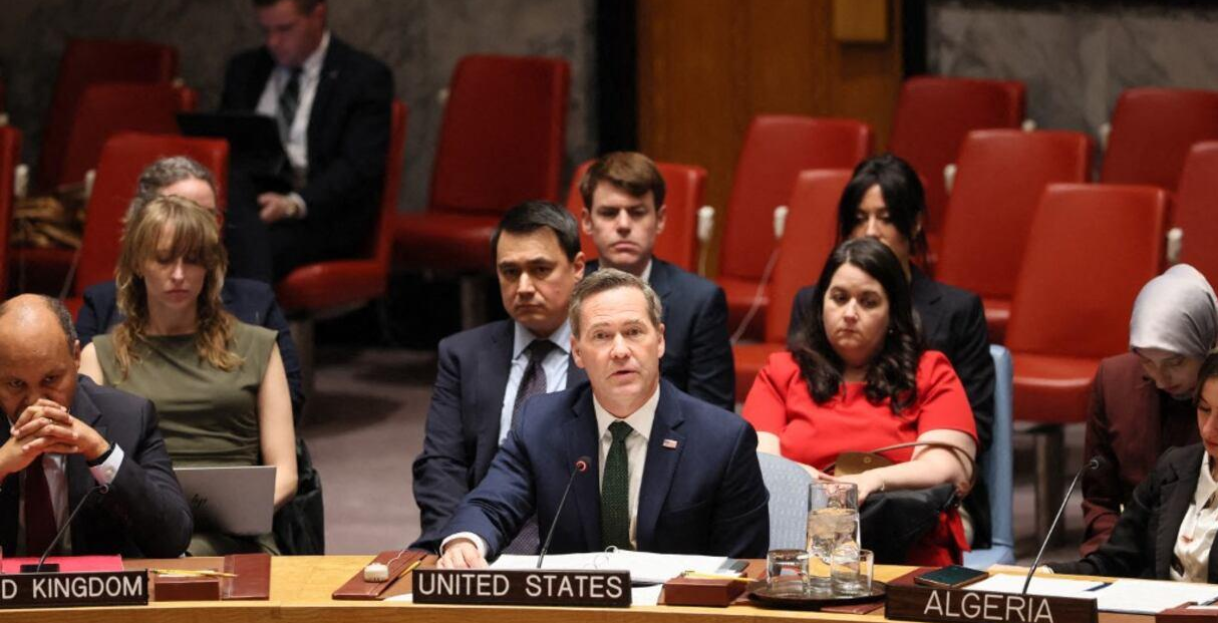
The United Nations Security Council became a stage for deep diplomatic confrontation on 30 October 2026, when two rival draft resolutions on Western Sahara—one backed by the United States and another by Russia—met simultaneous rejection. The episode laid bare the invisible forces shaping the impasse: institutional veto power, clashing geopolitical priorities, and the unresolved question of self-determination for the people of Western Sahara. Eleven council members supported the US text, three abstained, and one exercised a veto; yet when Russia proposed a far more modest alternative, it could secure only three votes. The result is a frozen mandate, an uncertain future for the UN mission, and a crisis of consensus.
What the American proposal would have changed
The US draft sought to break a decade-long diplomatic stalemate by reshaping the United Nations Mission for the Referendum in Western Sahara (MINURSO). Instead of renewing the existing mandate unchanged, Washington proposed renaming the mission and redefining its core task. The new language elevated the Moroccan autonomy plan—presented under Moroccan sovereignty—as the exclusive framework for negotiations. At the same time, the reference to a referendum would have disappeared from the mission’s title, signalling a strategic shift away from the original UN settlement plan of 1991. Behind the scenes, US diplomats argued that such a move could unlock stalled talks by aligning international mediation with Morocco’s autonomy initiative.
The veto that derailed the US plan
Russia cast the sole veto against the American text, citing the need to protect the principle of self-determination enshrined in the UN Charter. According to Moscow, endorsing Morocco’s plan as the exclusive basis for negotiations would have prejudged the outcome and contravened the requirement that any solution be negotiated freely by the parties concerned. In Security Council voting arithmetic, a single permanent member’s veto suffices to block a resolution even when it enjoys overwhelming support—eleven in favour on this occasion. The move underscored how institutional rules can override numerical majorities and redirect the course of international diplomacy.
The Russian counter-proposal: why it also collapsed
Faced with the failure of the US initiative, Russia tabled a stripped-down alternative: a simple one-year rollover of the existing MINURSO mandate without any change of name, mission scope, or political reorientation. The intention was to preserve continuity and prevent a sudden withdrawal of blue helmets while negotiations resumed. Yet the Russian draft collected only three votes—its own, China’s, and Somalia’s—while eleven members abstained and the United States voted against. The absence of a majority, rather than an American veto, doomed the proposal, revealing that Washington remained unwilling to accept a return to the status quo ante.
The self-determination fault line
At the heart of the confrontation lies a fundamental disagreement over who holds the right to determine the territory’s future. The 1991 UN settlement plan envisaged a referendum allowing the people of Western Sahara to choose between independence, integration with Morocco, or some other status. Three decades later, no referendum has taken place, leaving the MINURSO mission in limbo. Morocco champions its autonomy initiative as the only viable path forward, while the Polisario Front insists that any outcome must flow from a genuine act of self-determination. The US proposal would have effectively endorsed Morocco’s approach, while Russia warned that doing so would violate international law and override the Sahrawi people’s right to decide their own destiny.
A mission adrift and a region watching
With the 31 October 2026 deadline passing without a new Security Council resolution, MINURSO’s mandate has lapsed into a legal grey zone. In the absence of an agreed framework, the mission’s future—its civilian and military components, its budget, and its mandate—hangs in the balance. Diplomats privately acknowledge that the double failure reflects broader divisions among permanent members, divisions that transcend the Western Sahara dossier and colour every major file at the UN. For Sahrawis, the stakes are immediate: interrupted humanitarian access, suspended confidence-building measures, and a frozen political process that offers no clear path to self-determination. As the Council remains deadlocked, the people most affected by the stalemate continue to wait for a solution that respects their right to choose their own future.