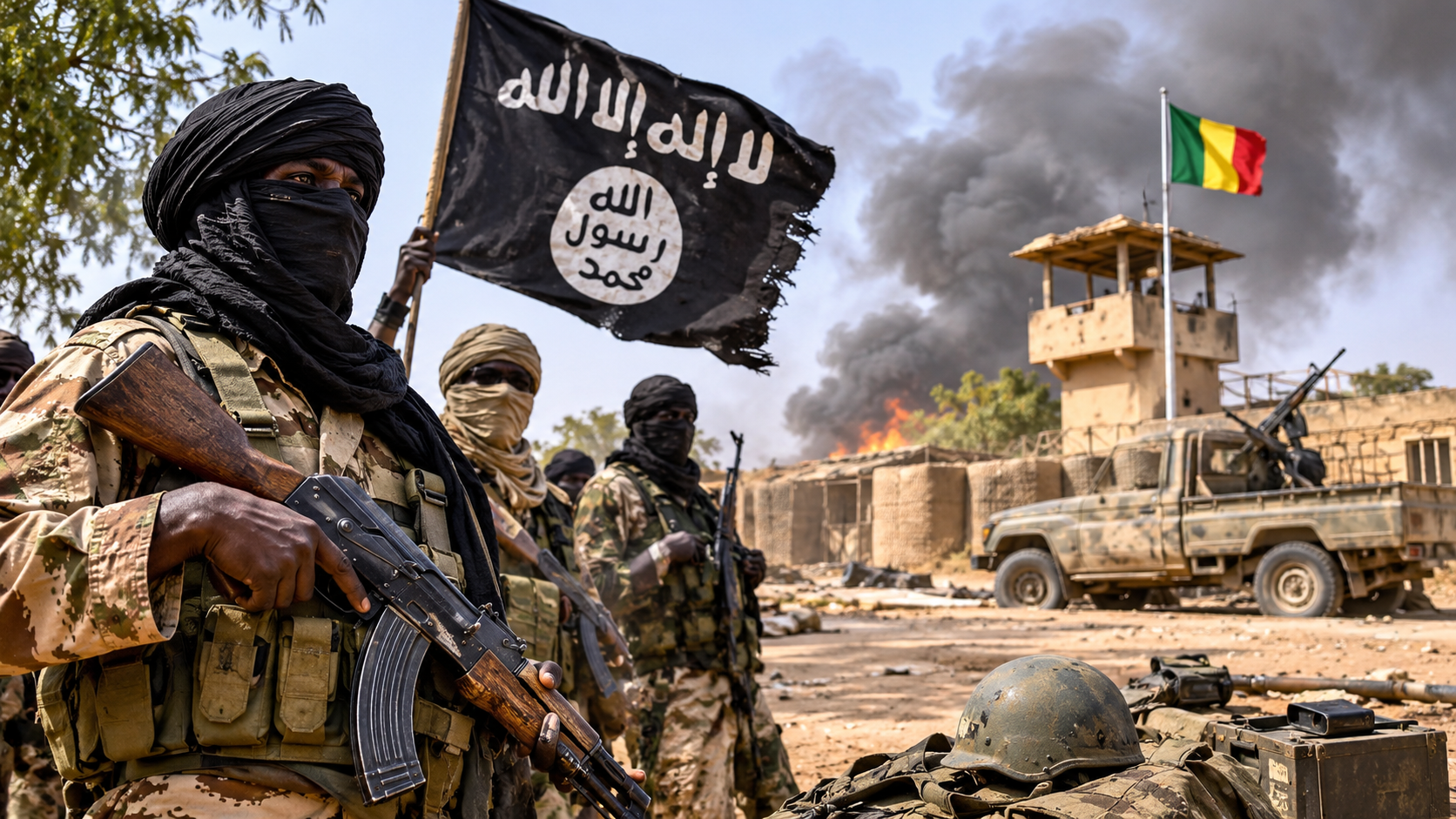

The fragile security situation in Mali’s central regions has reached a critical juncture. Early on October 31, 2026, a well-coordinated assault by the Group for the Support of Islam and Muslims (JNIM) targeted a fortified outpost near Bayman, in the Mopti region. The assault, later claimed by the jihadist coalition, marks another in a series of military setbacks that reveal deeper structural flaws within Mali’s counterterrorism strategy.
What really happened during the assault on Bayman
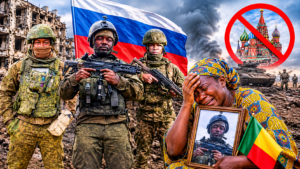
The attack unfolded in the early hours, catching pro-government militia forces locally referred to as “Russafricains” due to their reported coordination with Russian military advisors off guard. According to the JNIM statement, the group neutralized several fighters and seized control of the position. While the claim has not been independently verified, local commanders have acknowledged significant losses, though no official casualty figures have been released.
This offensive follows a pattern observed across central Mali: despite frequent claims of tactical victories by military spokespersons, the terrain remains contested, and key installations remain vulnerable to sustained assaults.
The human cost: why numbers tell only part of the story
The lack of transparency in casualty reporting has become a persistent issue. Earlier in September, an attack on Dioura resulted in heavy losses over 100 Malian soldiers and five Russian paramilitaries were reportedly killed, with dozens more reported missing. The absence of a reliable, third-party account underscores the challenges in assessing the true scale of military casualties.
The opacity of these figures raises concerns: without independent verification, public trust in military reporting erodes, and the credibility of strategic narratives is increasingly questioned.
A partnership under scrutiny: can foreign support fix what Mali’s military cannot?
The siege at Bayman has reignited debate over the effectiveness of Mali’s alliances, particularly with Russia. Since May 2026, military officials have claimed over 4,800 terrorists neutralized and more than 850 airstrikes conducted. Yet, despite these figures, militant groups continue to launch devastating attacks, taking control of strategic sites and disrupting civilian life.
The contradiction between official announcements and ground realities suggests that numerical success does not always translate into sustained territorial control or improved security for local communities.
Analysts point to systemic challenges: reliance on foreign advisors, coordination gaps with local militias, and a lack of community-based protection strategies are all contributing factors. The persistence of such attacks indicates that military operations alone are insufficient without deeper structural reforms.
Where does Mopti stand now?
With the JNIM’s latest claim, the question of Mali’s long-term resilience grows more urgent. Military positions that were once considered secure now face regular assaults, and the narrative of state control is increasingly fragile. As local populations remain caught in the crossfire, the government’s ability to protect both its forces and its citizens is being tested like never before.
Whether this is a temporary setback or a sign of deeper systemic failure remains to be seen. But one thing is clear: the events of October 31 have exposed the limits of current military partnerships and the urgent need for a more comprehensive security strategy.
By Idriss MAMADOU — Journalist