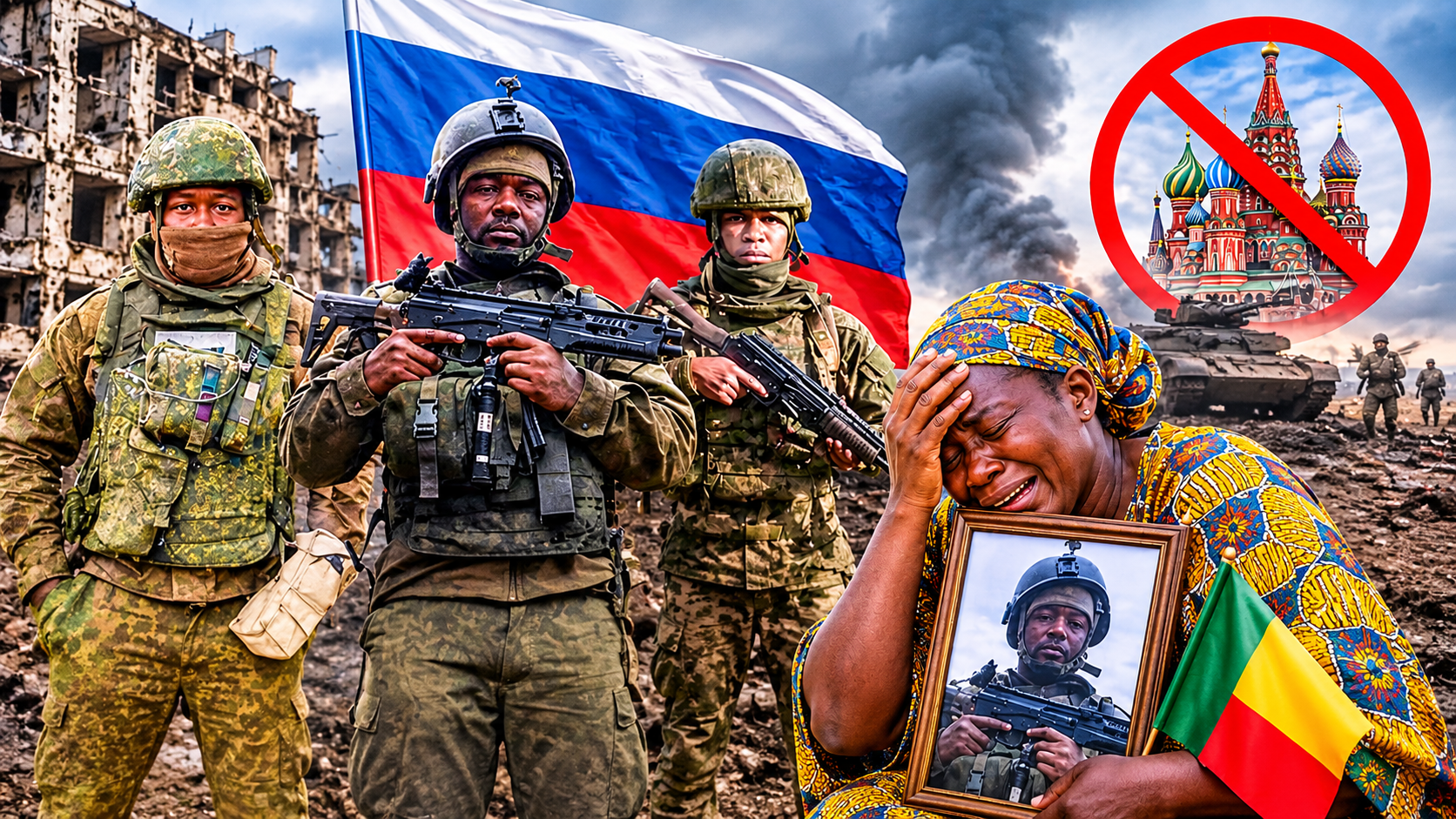

The tragic death of a young Beninese student at the front in Ukraine has cast a harsh light on the hidden dangers facing African students pursuing education in Russia. This unfolding investigation reveals not just the fragility of academic ambitions, but the systemic risks embedded in some of the pathways marketed to Africa’s youth as pathways to professional success.
The hidden contract behind the student visa
For many young Africans, studying in Russia represents more than education it symbolizes an escape from economic hardship and a gateway to international opportunities. Yet beneath the glossy brochures and scholarship announcements lies a less advertised reality: the possibility of being drawn into military service under the guise of economic necessity or career advancement.
Documents and testimonies indicate that some foreign students, including Africans, have been approached with job offers that later revealed themselves to be military recruitment drives. These cases often begin with financial pressure, housing shortages, or promises of residency permits contingent on military service. Families, having invested life savings to fund their children’s education, are rarely informed of these conditions until it is too late.
From classroom to combat zone: the slippery slope of enrolment
While not every African student in Russia faces such risks, the documented cases raise serious concerns about the transparency of certain recruitment practices. A student may initially arrive with a legitimate student visa, only to find their legal status tied to employment or military obligations they never consented to fully understand. In one case, a student signed what he believed was a standard work contract only to discover it included a clause binding him to frontline duty in Ukraine.
The language barrier, distance from home, and lack of access to legal counsel amplify this vulnerability. Without clear communication or independent advice, young people can find themselves trapped in contracts that transform academic dreams into military nightmares.
The role of intermediaries: promises masked as opportunity
Behind many questionable agreements stand intermediaries agents, agencies, or university-affiliated personnel who act as bridges between African students and Russian institutions. Some present job placements, internships, or accelerated residency pathways as straightforward opportunities. In reality, these arrangements can serve as fronts for coercive enlistment, particularly when financial desperation is leveraged against the student.
These actors often operate without oversight, their promises backed by little more than verbal assurances. Their income depends on recruitment numbers, not the safety or integrity of their clients. Once a student is in the country, reversing course becomes increasingly difficult, especially when dependent on the same intermediary for basic needs.
What families and governments must know before investing in education abroad
The death of this Beninese student is not an isolated incident, but a warning signal for thousands of African families considering similar educational investments. Before committing financial and emotional resources, families should demand verifiable documentation: official university acceptance letters, valid student visas, clear residential permits, and written contracts in a language they fully understand. Any mention of employment, residency, or obligation linked to military service must be scrutinized by legal professionals fluent in both Russian and the student’s native language.
African governments also bear a responsibility to protect their citizens abroad. Consular services must expand outreach programs to inform prospective students of known risks, maintain updated travel advisories, and establish rapid-response protocols for families reporting missing or coerced relatives. Educational fairs and recruitment drives should be monitored for misleading claims, and partnerships with Russian institutions should include guarantees of academic safety.
The human cost of unchecked ambition
This tragedy leaves behind more than unanswered questions it leaves a shattered family, a community in mourning, and a generation’s trust in overseas education eroded. The student’s journey from Benin to a Russian university was meant to be one of growth; instead, it ended in a warzone. The loss demands accountability: not only for the circumstances of his death, but for the system that allowed such a deception to occur in the first place.
For Africa’s youth, the message is clear: education should broaden horizons, not expose them to violence. For policymakers, the lesson is equally urgent: proactive protection measures must replace reactive dismay. Until then, every student boarding a flight to Russia carries not just a suitcase, but a unspoken risk one that too many families have already paid for with their children’s lives.
Questions that must not go unanswered
As investigations continue, several critical questions remain unaddressed:
What were the exact terms of the student’s visa and residence permit?
Were there written agreements linking his studies to military service?
Did he receive adequate legal and linguistic support upon arrival?
What communication did the student’s family receive prior to his deployment?
Have Russian authorities acknowledged any irregularities in foreign enlistment practices?
Only full transparency can restore trust and prevent the next tragedy.
By Idriss MAMADOU — Journalist