
Why Israel’s fractured mandate could redefine Middle East power dynamics
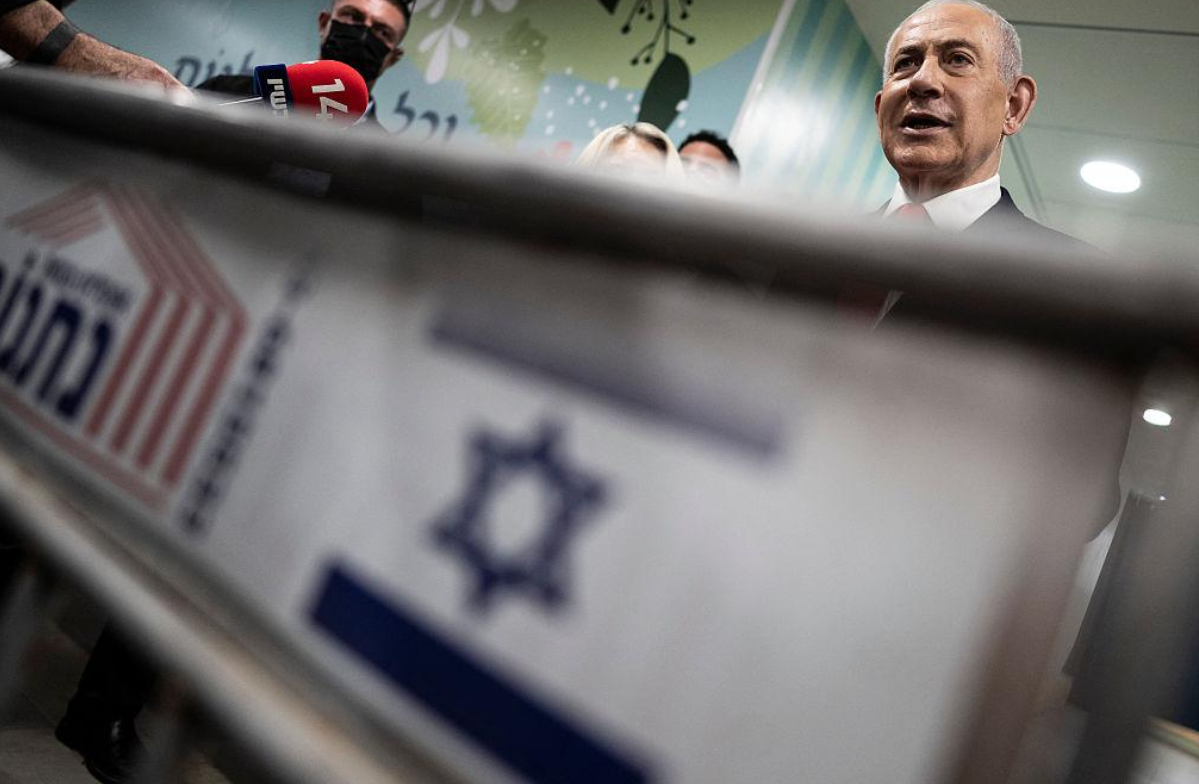
Benjamin Netanyahu’s 2026 electoral victory reveals an uncomfortable paradox: winning the most seats in parliament doesn’t guarantee the authority to govern. With just 53 Knesset seats—well short of the 61 needed for a majority—Israel’s political landscape has been reshaped into a high-stakes chessboard where every move could alter the region’s trajectory. This unprecedented fragmentation extends from Gaza’s reconstruction to Iran’s nuclear ambitions, demonstrating how domestic instability can ripple across borders.
The anatomy of Israel’s parliamentary deadlock
The October 2026 vote produced a political stalemate that defies conventional expectations. While Netanyahu’s Likud party secured 27 seats—the largest single faction—its traditional coalition allies failed to deliver enough support. The opposition bloc, led by Gadi Eisenkot, commands 48 seats, while Arab-majority parties, including the Joint List and Ra’am, hold 19—a historic high that positions them as potential kingmakers in coalition talks.
This distribution underscores a fundamental shift: Netanyahu’s previous majority of 68 seats has evaporated, reflecting widespread voter discontent over years of governance marked by conflict and internal strife. The new Knesset configuration demands creative solutions—whether through minority governments, unity coalitions, or, in the worst case, yet another election cycle. For an embattled Netanyahu, the path to power now requires navigating alliances beyond his traditional base, a challenge that could redefine Israeli politics for years to come.
Arab parties: A strategic pivot with limited options
- Arab Knesset members hold unprecedented influence, but coalition-building remains fraught
- Opposition to governing with Arab parties persists among right-wing factions
- The 19-seat bloc could theoretically tip the balance—but at what political cost?
Gaza’s fragile future hinges on Israel’s next move
The humanitarian crisis in Gaza continues to dominate Israel’s political agenda. Reconstruction efforts, security guarantees, and Palestinian governance remain flashpoints that could derail any new government’s legitimacy. Netanyahu’s coalition partners advocate for maintaining a hardline stance on security and territorial demands, while opposition factions may push for diplomatic engagement—though radical shifts seem unlikely given entrenched divisions.
For Palestinians, the election outcome offers no immediate relief. The fragmented parliament suggests that Gaza’s future will be shaped more by coalition arithmetic than by electoral mandates, leaving humanitarian and political prospects uncertain for the foreseeable future.
Iran and Lebanon: The regional tightrope Israel cannot afford to ignore
Israel’s security establishment faces an unenviable task: balancing domestic political chaos with external threats. Iran’s nuclear program, missile capabilities, and regional proxy network remain existential concerns, while Hezbollah’s growing influence in Lebanon presents an immediate risk of escalation. A weakened government could struggle to maintain the consensus that usually unites Israeli leaders on security matters, potentially complicating military strategies and regional deterrence.
Syria’s ongoing instability further complicates Israel’s calculations, as shifting power dynamics along its northern border demand constant vigilance. Even as Israel’s election was fundamentally about domestic governance, its ripple effects could reshape the broader Middle East security landscape.
Diplomatic dominoes: Washington, Arab capitals, and the global reaction
The United States, Israel’s closest ally, will be watching coalition negotiations closely. While the U.S.-Israel relationship remains anchored in shared strategic interests, disagreements over Gaza and military operations could strain ties at a critical juncture. Arab states like Saudi Arabia, Jordan, Egypt, and the UAE are also recalibrating their approach to Israel, balancing normalization efforts with the need for Palestinian statehood progress. Riyadh, in particular, may delay further diplomatic overtures until Israel’s government takes a clearer stance on regional peace initiatives.
What the world can expect next
- Three plausible outcomes: Netanyahu’s survival through new alliances, an opposition-led government, or fresh elections
- Regional stability in the balance as every coalition scenario carries geopolitical risks
- Domestic divisions over religion, security, and national identity unlikely to fade anytime soon
Netanyahu’s pyrrhic victory and Israel’s uncertain path forward
Netanyahu’s position embodies a cruel irony: he has won the most seats, yet lacks the power to govern unilaterally. In a region where Israel’s decisions reverberate globally, this electoral outcome signals the beginning of a precarious new chapter. Whether through compromise or confrontation, the next government will need to navigate a minefield of domestic skepticism and regional volatility—setting the stage for high-stakes political maneuvering that could redefine Israel’s role in the Middle East for years to come.