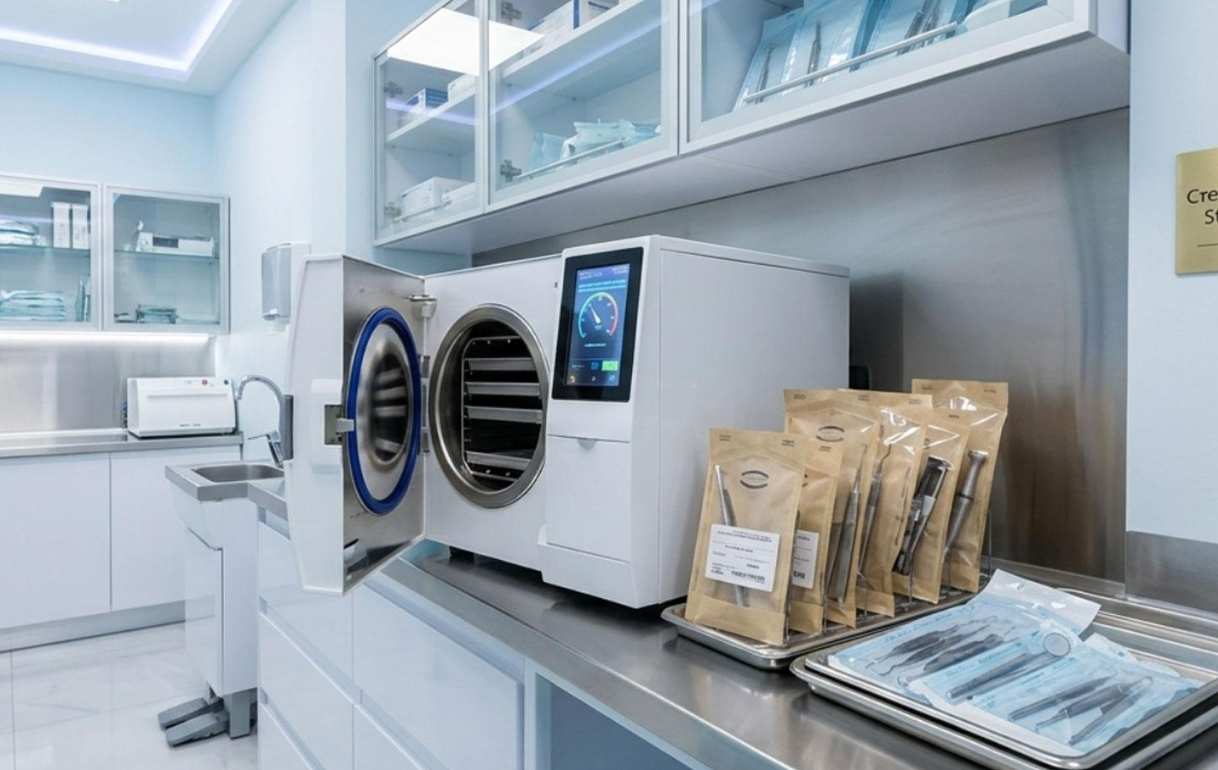

In a rare but concerning incident, nearly 500 dental patients in Orléans, France, are being urged to undergo HIV and hepatitis B and C testing. The alert stems from critical breakdowns in the sterilisation process at a local dental clinic — a failure that has raised serious questions about the invisible risks lurking behind routine dental care.
Health authorities traced the issue to multiple lapses during a routine inspection in August 2026 at a private dental facility. Among the most alarming findings was the use of a steriliser despite failed operational checks. Additional deficiencies were found in how instruments were packaged, stored, and tracked — all essential steps meant to prevent cross-contamination between patients. In response, regional health officials suspended the clinic’s operations and launched a coordinated outreach campaign to notify individuals treated there within the past months.
How a broken steriliser can become a silent threat
Dental care relies heavily on reusable tools like probes, mirrors, and forceps. These instruments must be thoroughly cleaned and sterilised between each patient to destroy any lingering pathogens. When this process fails — whether due to faulty equipment, human error, or procedural shortcuts — traces of blood or saliva from one patient can remain. This in turn exposes the next individual to potential infection.
The viruses responsible for HIV and hepatitis B and C are particularly resilient. They can survive on inadequately sterilised instruments and remain infectious even after drying. While the probability of transmission in this case is deemed low by public health experts, the possibility cannot be ruled out entirely. That’s why officials are urging patients to get tested — not to assign blame, but to ensure peace of mind and early medical intervention if needed.
Even more concerning is that this incident isn’t an isolated anomaly. It reflects a deeper, systemic vulnerability: the challenges of maintaining rigorous infection control standards across dental practices, both in France and across Africa.
Why dental hygiene standards matter beyond Europe
While France’s healthcare system is among the most regulated in the world, similar gaps in infection prevention have been documented in African dental settings — particularly in urban clinics where resources, equipment, and training may be limited.
Studies from major cities like Yaoundé, Cameroon, have revealed persistent weaknesses in sterilisation practices among dental professionals. Many lack updated training, access to quality autoclaves, or consistent oversight. In some cases, reusable instruments are cleaned with rudimentary methods — soap and water, for example — instead of undergoing full sterilisation. Storage practices also pose risks: instruments may be left uncovered or stored in contaminated environments.
These challenges are compounded by broader systemic issues: underfunded health systems, unreliable supply chains, and inconsistent regulatory monitoring. The result? A patchwork of safety standards that leave patients vulnerable — not because of a lack of care, but because of structural limitations in infrastructure and enforcement.
That’s not to say all African dental clinics are unsafe. Many meet or even exceed international hygiene standards. But the absence of universal, enforceable protocols means the risk of infection persists — especially in informal or semi-private practices where oversight is minimal.
What patients can do to protect themselves
While clinics bear primary responsibility for sterilisation, individuals receiving dental care can take proactive steps to reduce their risk. Here are practical questions and actions every patient should consider:
- Observe hygiene in real time: Watch whether the dentist and staff wash or sanitise their hands before and after each appointment. Gloves should be changed between patients, and instruments should be opened only in front of you.
- Inspect the sterilisation tools: Reusable instruments should come in sealed, sterile packaging. If a package is damaged or already open, politely ask for a replacement.
- Confirm single-use items are discarded: Needles, syringes, and scalpel blades should never be reused. These items should be opened in front of you and disposed of immediately after use.
- Ask about sterilisation methods: Don’t hesitate to inquire about the clinic’s sterilisation process. Reputable clinics will be transparent about their use of autoclaves, ultrasonic cleaners, and regular maintenance checks.
- Act quickly if exposure is suspected: If you believe you’ve been treated with inadequately sterilised instruments, contact a healthcare provider immediately. For potential HIV exposure, post-exposure prophylaxis (PEP) is most effective when started within 48 hours.
Building trust through transparency and accountability
This Orléans case is a stark reminder: excellent dental care is not just about clinical skill or advanced technology. It’s also about discipline, oversight, and a commitment to zero tolerance for preventable infections.
In Africa, where the demand for accessible oral healthcare continues to grow, governments and health authorities must strengthen infection prevention protocols across all dental settings. That includes investing in modern sterilisation equipment, ensuring ongoing training for dental staff, and enforcing unannounced inspections.
Until then, patients remain the first line of defence. By asking the right questions and staying informed, they can help turn routine dental visits into safe, trusted experiences — no matter where they are treated.