
Behind the scenes: uncovering the hidden forces shaping Niger’s latest move
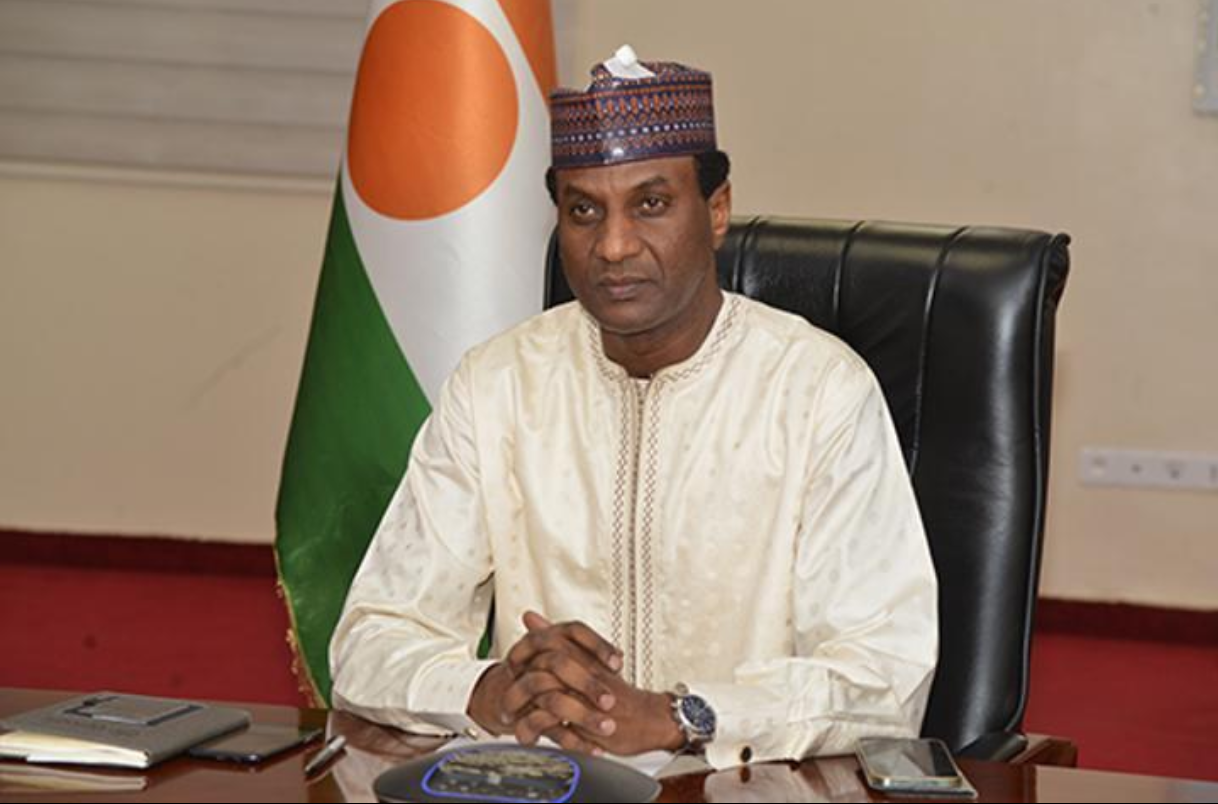
The landmark visit of Nigerien Prime Minister Ali Mahaman Lamine Zeine to Benghazi on November 1st—and the subsequent signing of a strategic cooperation protocol with Libya’s eastern authorities—reveal deeper currents beneath the diplomatic surface. Far from a routine engagement, this development unfolds against the backdrop of shifting security paradigms in the Sahel, where military posturing and geopolitical jockeying are redrawing regional alliances. Within this evolving landscape, the growing rapprochement between Niamey and Benghazi signals more than just regional diplomacy; it reflects a deliberate strategic calculation driven by mounting pressures along Niger’s borders and beyond.
Algeria’s military advance and the domino effect in the Sahara
On October 25th, Algeria’s Parliament endorsed the deployment of units from its National Popular Army (ANP) into Niger—a decision that breaks from Algeria’s long-standing principle of non-interference in foreign conflicts. Officially framed as a move to protect economic and energy interests—including oil investments and the Trans-Saharan Gas Pipeline—the deployment is also a response to escalating security concerns. Algeria seeks to strengthen oversight over trans-Saharan migration routes and neutralize the influence of armed groups operating in the vast desert corridors linking North Africa to the Sahel.
The anticipated base near Madama, situated in Niger’s northeastern frontier close to Libya, underscores the strategic significance of this operation. From this vantage point, Algerian forces can monitor movements across the tri-border zone and safeguard critical energy infrastructure. Yet, this military presence raises a pivotal question: to what extent does Algeria aim to extend its footprint in a region where Libya’s Haftar faction is steadily consolidating its influence?
The tri-border zone: a powder keg of shifting alliances
The tri-border region where Niger, Libya, and Algeria converge is a focal point of geopolitical maneuvering. This territory serves not only as a crossroads for trade, migration, and cultural exchange but also as a battleground for competing military and political ambitions. The advance of forces loyal to Field Marshal Khalifa Haftar into southern Libya has heightened tensions, particularly in Algiers, where officials worry about the potential erosion of their strategic leverage.
Public accusations linking certain rebel factions to external backers—though often murky—highlight the volatility of this zone. As armed groups with links to Niger’s internal instability gain traction in southern Libya, the stakes for regional actors have never been higher. In this charged environment, the Niger-Libya cooperation protocol could serve as a counterweight, offering Benghazi an opportunity to enhance its political and military presence while providing Niamey with a vital alternative partnership amid domestic fragility.
Haftar vs. Algeria: a rivalry rooted in distrust
The relationship between Algeria and Libya’s eastern faction is fraught with historical tension. Algiers has consistently backed the internationally recognized Government of National Accord in Tripoli, advocating for a negotiated resolution to Libya’s crisis. In contrast, Benghazi’s leadership under Haftar has pursued its own regional alliances, often clashing with Algerian interests. The recent strengthening of Saddam Haftar’s position in southern Libya—coupled with Niger’s diplomatic outreach—may be perceived in Algiers as an attempt to undermine its influence in the Sahel.
The cooperation protocol signed in Benghazi is emblematic of these shifting dynamics. While the specifics remain undisclosed, it signals the potential for deeper military, security, and economic collaboration between Niger and the Libyan East. Yet, without transparency on its contents, any assumption of a formal anti-Algerian alliance remains speculative. What is clear, however, is that this agreement marks a pivotal moment in the unfolding regional competition.
Niger caught in the crossfire of geopolitical rivalries
For Niger’s leadership, the priority is safeguarding national security amid a backdrop of terrorism, diplomatic strain, and competing regional powers. By pursuing simultaneous engagement with Algeria and Libya’s eastern authorities, Niamey is seeking to preserve strategic flexibility and avoid over-reliance on a single partner. Yet, this balancing act carries inherent risks, as Niger risks becoming a battleground in the broader struggle between Algiers and Benghazi.
The Benghazi summit is not merely a diplomatic episode—it reflects the new geopolitical realities of the Sahel. In a region where borders are fluid and alliances are transient, strategic cooperation can swiftly transform into a tool of rivalry. One thing is certain: the rivalry between Algeria and Haftar’s faction is no longer confined to the sands of Libya. It has spilled across the Sahara, with Niger emerging as a critical theater in this silent but intense confrontation.
The unseen chessboard: what drives Niger’s strategy?
The timing of Niger’s outreach to Benghazi is no accident. With Algeria’s military footprint expanding into Niger, Niamey is proactively diversifying its partnerships to mitigate risks. The protocol with Libya’s eastern authorities offers a potential counterbalance, allowing Niger to hedge its bets in an increasingly unpredictable security landscape.
Yet, the success of this approach hinges on Niger’s ability to navigate the competing agendas of its neighbors. With each actor pursuing divergent interests—Algeria focused on securing its southern flank, Haftar seeking to consolidate control in Libya’s south—the challenge for Niger lies in maintaining autonomy without becoming entangled in a larger conflict it neither wants nor can control.
A delicate equilibrium: can Niger remain neutral?
While the cooperation protocol with Benghazi presents opportunities, it also places Niger under intensified scrutiny. The risk of being drawn into a proxy conflict between Algiers and Benghazi looms large, particularly as armed groups and foreign interests vie for influence along the tri-border region. For Niger’s leadership, the path forward demands a delicate balance between cooperation and caution, engagement and restraint.