
Bandiagara killings: rights body urges Mali state to uphold its duty
As central Mali sinks deeper into a spiral of unchecked violence, the statement from the National Human Rights Commission (CNDH) following the attacks on Ningari and Sarédina casts a harsh light on the structural flaws in the transitional government’s security strategy.
The pattern has become tragically predictable: villages attacked, defenceless civilians executed, homes set ablaze, followed by the inevitable wave of official statements expressing outrage and sympathy. The recent atrocities in the Bandiagara circle, specifically in the localities of Ningari and Sarédina, underscore a brutal reality that official rhetoric tries to mask: despite triumphant claims about the growing strength of the Malian armed forces (FAMa), the day-to-day protection of citizens remains a glaring failure.
The mirage of territorial control and civilian abandonment
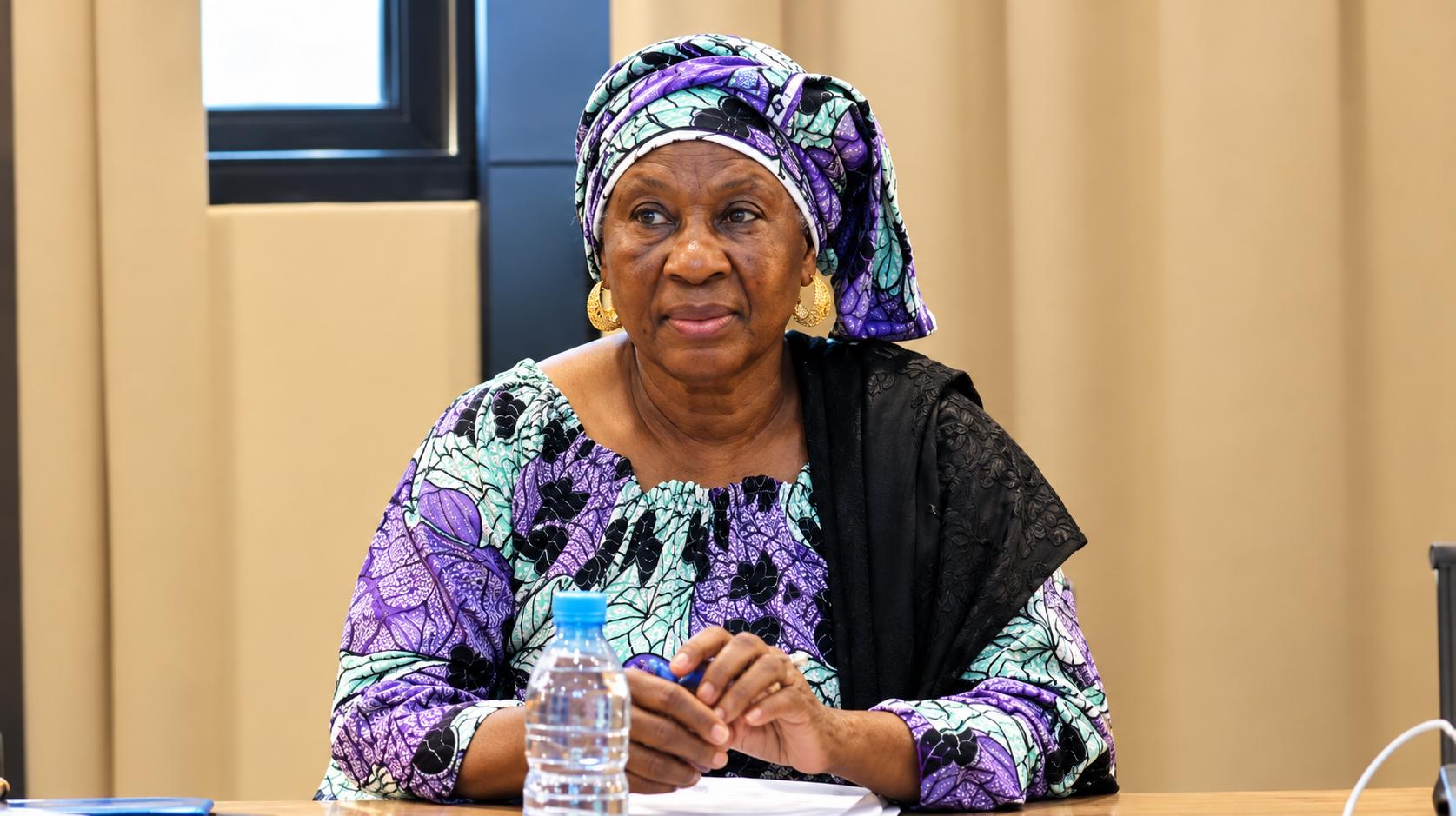
The CNDH’s statement, signed by its interim president, Me Aissata Founè Tembely, serves as a stark reminder to the authorities in Bamako. By insisting that the security of people and property is the state’s ‘primary sovereign duty,’ the CNDH effectively highlights administrative and military shortcomings on the ground.
In the Dogon country, the security vacuum created by the absence or ineffectiveness of continuous state mechanisms leaves residents at the mercy of armed terrorist groups. While public discourse focuses on national sovereignty and media management, the fundamental social contract between the state and its citizens in the central region has been broken. Sovereignty cannot be measured by the firmness of speeches in Bamako, but by the real ability to protect the life of a farmer or trader in Ningari.
Institutionalised impunity and the rhetoric of investigations that go nowhere
As with every tragedy, the CNDH calls for ‘independent and impartial’ investigations to bring the perpetrators to justice. But how credible are these calls in a judicial system that is effectively paralysed in conflict zones?
The accumulation of massacres without any major trial to assign responsibility fuels a devastating sense of impunity. Without concrete prosecutions, demands for investigations increasingly resemble a bureaucratic ritual aimed at filling the institutional void. This absent justice erodes public trust in the state and inevitably pushes communities towards self-defence or opportunistic alliances, further fragmenting the social fabric.
The trap of a purely military approach and violations of humanitarian law
By urging the FAMa to strictly adhere to International Humanitarian Law (IHL), the CNDH also points to the dangers of a purely military strategy without safeguards. In their pursuit of terrorist groups, security forces and their auxiliaries are frequently accused by civil society of indiscriminate actions and abuses against local populations.
This approach, which prioritises body counts and media-friendly operations over the long-term security of communities, produces the opposite of the intended effect. Every blunder or summary execution becomes a prime recruitment tool for extremist groups. By reminding that the fight against terrorism cannot disregard human rights, the CNDH warns: a military victory achieved at the expense of the law is an illusion that sows the seeds of future revolts.
The CNDH’s warning is clear. If the transitional authorities continue to favour political posturing and security communications over the real, impartial, and judicial protection of their citizens, Mali risks losing far more than territory: it will lose the very legitimacy of its state.