
When Mali’s Customs Leadership Reflects Broader Power Struggles
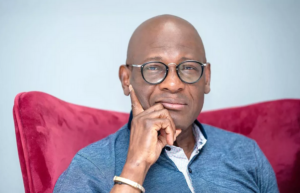
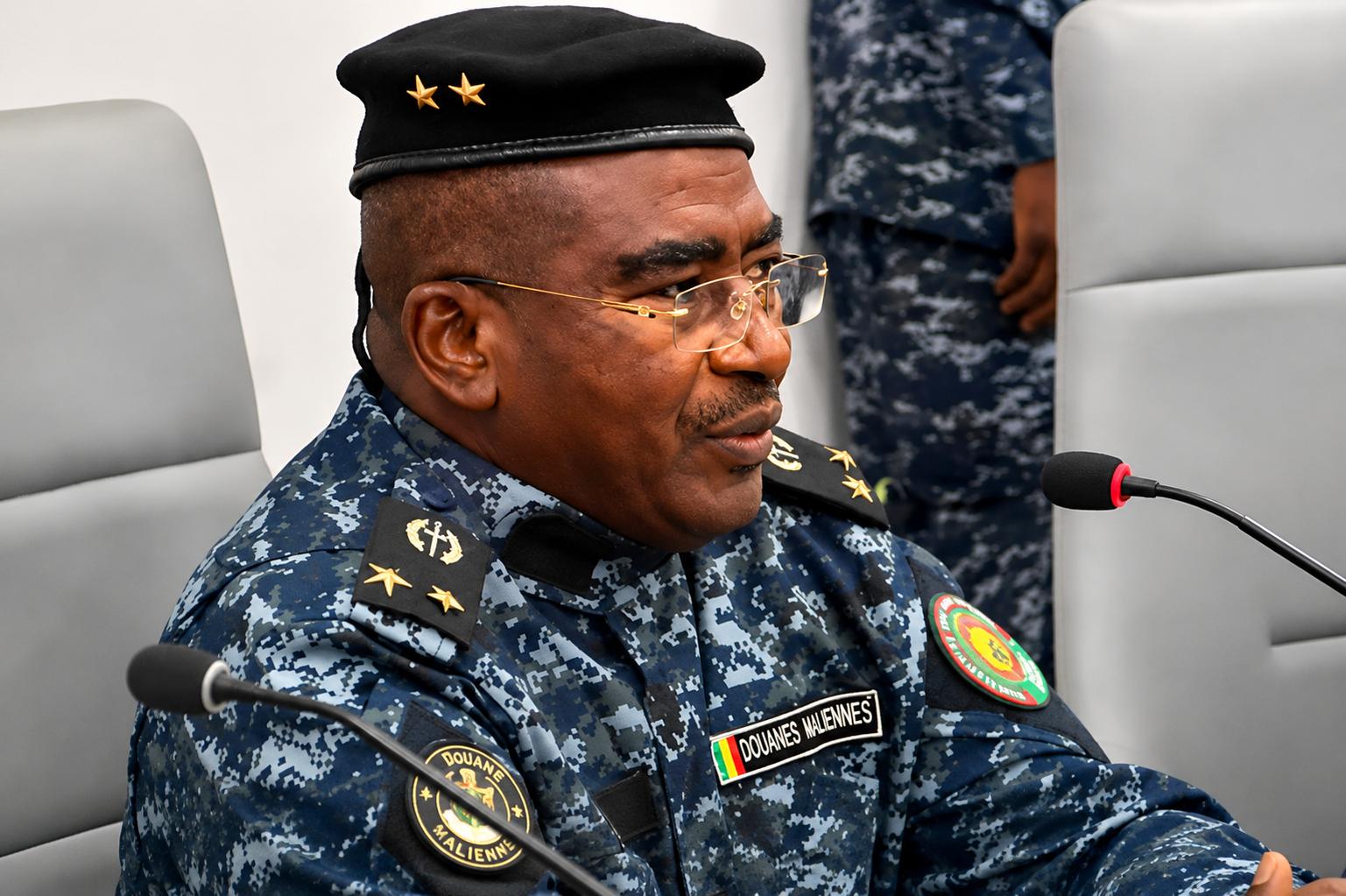
In an institution as pivotal as Mali’s Directorate General of Customs, every staff movement is more than a routine transfer—it’s a move in a high-stakes game where politics and economics intersect. A recent wave of appointments and reassignments has sent ripples through the system, prompting both official statements and quiet corridor whispers. Journalist and analyst Fousseyni Sissoko dives into this upheaval, asking a question few dare to voice openly: Are these changes about reform, or retribution?
Official Narratives vs. Hidden Agendas
The government frames the reshuffle as a technical necessity. With Mali navigating a delicate economic transition, the Ministry of Finance and Customs leadership argue that fresh leadership is essential to strengthen internal revenue collection and curb cross-border fraud. The stated goal? Boosting efficiency at key border posts and logistics hubs to tighten fiscal control over high-value goods like fuel and transit corridors.
Yet Sissoko’s analysis urges readers to look beyond the polished rhetoric. In a financial authority where oversight of trade flows confers immense power—especially over strategic commodities—what appears as administrative restructuring may mask deeper power realignments. The line between performance-driven reform and influence consolidation is thinner than it seems.
Silent Purges or Strategic Reinforcements?
Sissoko’s sharpest insight lies in exposing the shadowy dimensions of these personnel shifts. By framing the upheaval as a potential settling of scores, he highlights the timing and nature of departures that defy purely technical explanations. Were long-serving officials removed for defying the political status quo? Or were they casualties of internal factionalism, deemed too independent—or too connected to old guard networks?
In Mali’s current climate, the stakes of controlling key institutions extend beyond governance. They touch on sovereignty, security, and the delicate balance of power within the state apparatus. The article underscores a disconcerting reality: loyalty and patronage sometimes overshadow meritocracy, even in institutions tasked with enforcing fiscal discipline.
Customs Under the Microscope
Ultimately, Sissoko’s piece serves as a necessary reality check. It reminds citizens and international partners alike that Mali’s Customs is not merely a tax-collection machine—it’s a battleground where institutional missions clash with political imperatives. Whether these changes are a genuine bid to modernize revenue collection or a calculated reshuffle to consolidate control, one thing is clear: the human dimension of Mali’s financial security apparatus remains a source of tension and speculation.