Behind the Lamu refinery launch: how Benin’s Wadagni is shaping Africa’s energy future
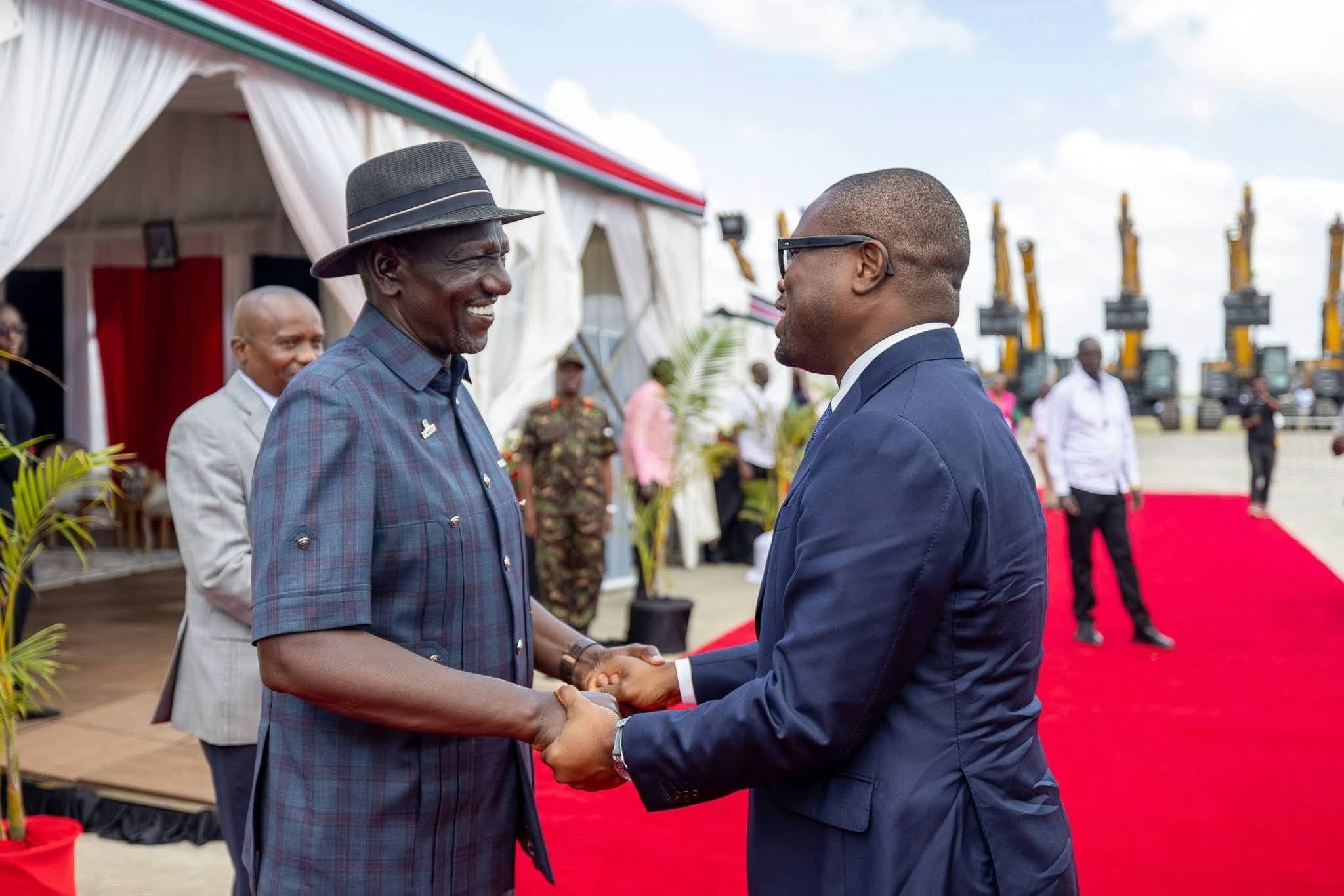
The coastal town of Lamu, Kenya, became the epicenter of Africa’s industrial ambitions on September 30, 2026, as Benin’s President Romuald Wadagni joined regional leaders to inaugurate the groundbreaking ceremony of the East African oil refinery spearheaded by Nigerian billionaire Aliko Dangote. This high-profile event was not merely a ribbon-cutting moment — it was a strategic convergence of political will, economic foresight, and continental cooperation, placing Benin at the heart of one of Africa’s most transformative energy projects.
Why Benin’s leadership chose to invest in Lamu’s mega-project
Romuald Wadagni’s presence in Lamu was not symbolic. It reflected a deliberate decision by Benin to align itself with a regional infrastructure initiative that promises to reshape the energy landscape of East Africa. The Beninese president joined peers from Uganda, Togo, Ethiopia, and Kenya, signaling a rare cross-regional alliance dedicated to reducing Africa’s reliance on imported refined petroleum products.
The $16 billion refinery — one of the largest single industrial investments on the continent — is more than a financial commitment; it’s a statement of intent. For Benin, a country traditionally focused on West African markets, the decision to participate underscores a growing recognition that Africa’s energy future is being written in unison across regions, not in isolation.
The numbers behind Africa’s largest refinery project
With an estimated investment of $16 billion — equivalent to nearly 9 trillion West African CFA francs — the Lamu refinery is designed to process up to 700,000 barrels of crude oil per day once fully operational. This capacity would make it the largest refining facility in East Africa and one of the most significant on the entire continent, eclipsing many existing installations in terms of scale and technological sophistication.
What makes these figures particularly compelling is their alignment with a broader continental push toward value addition. African nations are increasingly prioritizing local processing of raw materials — from oil and gas to minerals and agricultural products — as a pathway to economic sovereignty and job creation. The Lamu project embodies this shift, offering a model for how large-scale infrastructure can catalyze regional integration and industrial growth.
From ceremony to strategy: what Benin gains from Lamu
The presence of Benin’s president at the launch event was more than diplomatic courtesy. It was a strategic reconnaissance mission. By observing the project’s scale, governance model, and potential spillover effects, Wadagni and his team gained firsthand insights into how such mega-projects can be leveraged to accelerate Benin’s own industrialization goals.
Moreover, the ceremony highlighted the growing role of public-private partnerships in African infrastructure development. The Dangote Group’s involvement — backed by significant capital and technical expertise — demonstrates how African entrepreneurs are stepping into roles traditionally reserved for multinational corporations. For Benin, this model offers a blueprint for future energy and industrial ventures.
Energy sovereignty: the real stake behind the Lamu refinery
At its core, the Lamu refinery is about more than barrels and pipelines. It’s about reclaiming control over Africa’s energy narrative. For decades, African nations have imported refined petroleum products at fluctuating global prices, often under terms dictated by external markets. The Lamu project, along with similar initiatives across the continent, represents a move toward self-sufficiency — a cornerstone of economic resilience.
Benin, like many of its neighbors, has long grappled with energy insecurity and high import costs. By engaging with a project of this magnitude, the country is positioning itself to benefit from new supply chains, reduced fuel costs, and enhanced energy security — all of which are critical for sustaining industrial growth and improving livelihoods.
The ripple effect: how one refinery can transform regional economies
The impact of the Lamu refinery is expected to extend far beyond Kenya’s borders. The project is poised to create thousands of jobs, stimulate ancillary industries such as logistics, construction, and petrochemicals, and foster cross-border trade in refined products. For Benin, which sits on the Gulf of Guinea, this presents an opportunity to integrate into new regional supply networks and potentially become a hub for fuel distribution in West Africa.
Additionally, the refinery could serve as a catalyst for enhanced regional cooperation in energy policy, infrastructure planning, and regulatory alignment. Such collaboration is essential if Africa is to fully capitalize on its vast natural resources and transition from raw material exporters to value-added producers.
Africa’s industrial awakening: what comes next after Lamu
The Lamu refinery launch is not an isolated event. It is part of a broader wave of industrial ambition sweeping across the continent. From Nigeria’s Dangote Refinery to Morocco’s green energy projects and South Africa’s automotive expansion, African leaders are increasingly betting on large-scale infrastructure to drive economic transformation.
For Romuald Wadagni and Benin, the Lamu ceremony was a reminder that Africa’s future is not being written in boardrooms in Europe or boardrooms in Asia — it’s being forged in cities like Lamu, where vision, capital, and leadership converge. The question now is how Benin will translate this moment into tangible gains for its citizens and industries, ensuring that participation in Africa’s energy revolution translates into real, sustainable progress.