
The unspoken drivers behind Senegal’s mass strike
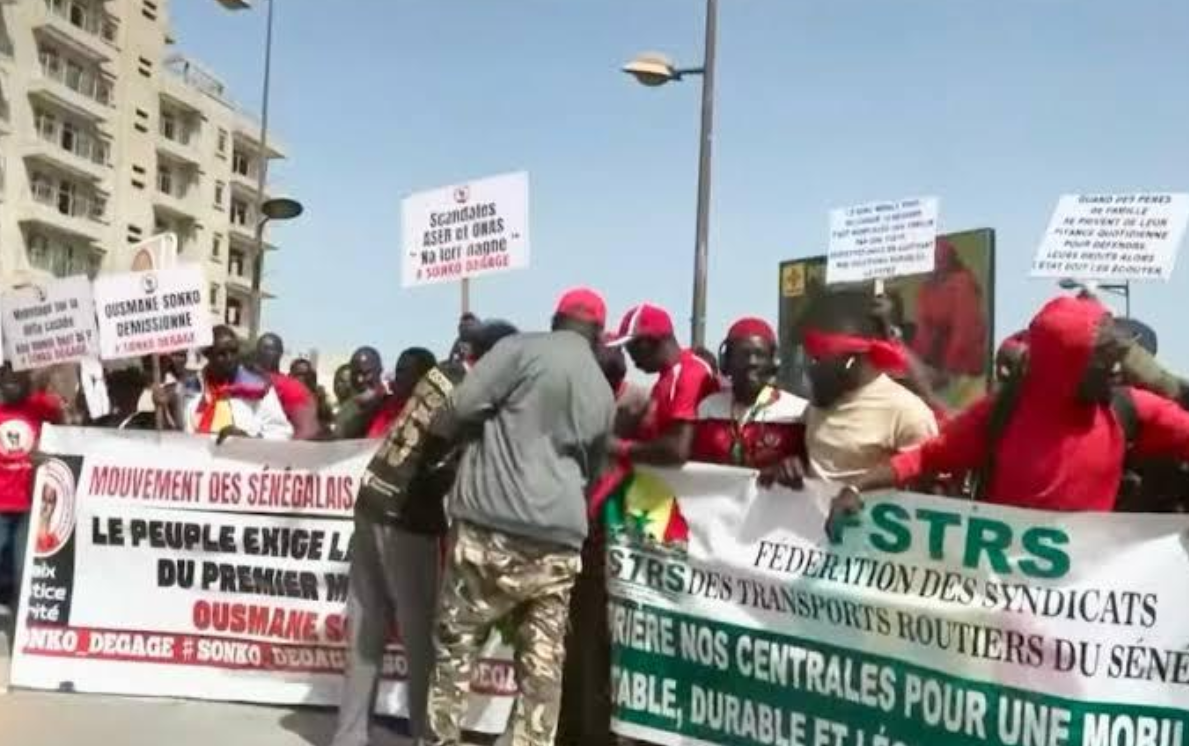
Senegal is navigating one of its most delicate social crises in years, with a 72-hour nationwide strike unfolding October 21–23, 2026. At first glance, the walkout appears to be about wages and working conditions. But beneath the surface, the roots of this confrontation run deeper—delayed government payments, unfulfilled promises, and a growing rift between institutions that has made dialogue increasingly difficult. The government insists on negotiations while warning of legal repercussions, but the strike’s timing—coinciding with constitutional budget debates and preparations for the Youth Olympic Games—suggests this is about more than just labor disputes.
Why educators took the lead—and why their struggle matters
The G7 coalition of seven major teachers’ unions has emerged as the driving force behind the strike, citing stalled implementation of an agreement signed in April 2026. While the official demands include overdue allowances, administrative backlogs, and delayed training programs, the deeper frustration stems from a pattern of broken promises. Teachers report months of unpaid stipends, bureaucratic delays in contract renewals, and inconsistencies in promised professional development funding. The academic year, already delayed by October floods, now faces further disruption unless tangible progress is made.
- Unpaid salaries: Contract teachers, already under financial strain, say they have not received promised supplements for over six months.
- Training delays: The universal certification program, intended to upskill educators, has stalled due to bureaucratic bottlenecks and funding gaps.
- Administrative limbo: Teachers hired on temporary contracts report their renewals being indefinitely postponed, with no clear timeline for resolution.
From wages to broader unrest: how the strike threatens the economy
The Federation for the Defense of Workers (FSDT) has broadened the protest beyond education, raising alarms across public services and private enterprises. The union’s demands focus on job security, fair labor practices, and compliance with existing labor agreements. With essential services—healthcare, transport, and utilities—already vulnerable to disruptions, the potential for economic spillover is significant. Businesses fear lost productivity, while civil servants worry about delayed salaries if the walkout escalates.
Government strategy: negotiate today, enforce tomorrow
Prime Minister Ahmadou Al Aminou Lo has called for a three-month moratorium on strikes to allow talks to progress, framing dialogue as the path forward. Yet, the government has simultaneously taken a firm stance on procedural violations. Just days before the strike, officials declared that a single strike notice filed with one ministry was insufficient to legally justify a nationwide walkout. The warning is clear: public and private sector workers ignoring legal procedures face wage deductions and disciplinary measures. Meanwhile, authorities vow to protect the right to work and ensure public mobility during the protest.
This dual approach—appeals for collaboration alongside legal threats—reflects the government’s struggle to balance fiscal responsibility with social expectations. For unions, however, words are no substitute for action. They argue that the delays in fulfilling signed agreements erode trust far more than any strike notice ever could.
Political tensions deepen as social unrest rises
The strike unfolds amid a backdrop of institutional divisions, with budget debates for 2027 exposing fractures within the ruling coalition. Disagreements over public spending priorities and tensions between the executive and parliament have raised questions about the government’s cohesion. While the unions insist their demands are strictly professional, the timing of their mobilization has amplified political scrutiny. The upcoming Youth Olympic Games add pressure: authorities are desperate to avoid service disruptions that could tarnish the country’s international image.
What comes next: can Senegal avoid a prolonged standoff?
The next 72 hours will determine whether this crisis escalates or de-escalates. A resumption of talks with a concrete implementation roadmap could restore confidence. Conversely, continued delays risk entrenching distrust between workers and the state, further destabilizing an already fragile social fabric. For families relying on public services, students awaiting a stable school year, and businesses fearing lost revenue, the stakes could not be higher. The government’s next move may define its credibility for years to come—but the real test will be whether promises translate into action.