
In Burkina Faso, the reintroduction of capital punishment reflects deeper tensions between state authority and the nation’s prolonged security crisis. While authorities frame the move as a necessary step to restore order, critics argue it risks entrenching fear rather than addressing the root causes of jihadist violence. The question now is whether this strategy will ultimately strengthen security or undermine the very freedoms it claims to protect.
Why Burkina Faso’s military regime turned to the ultimate penalty
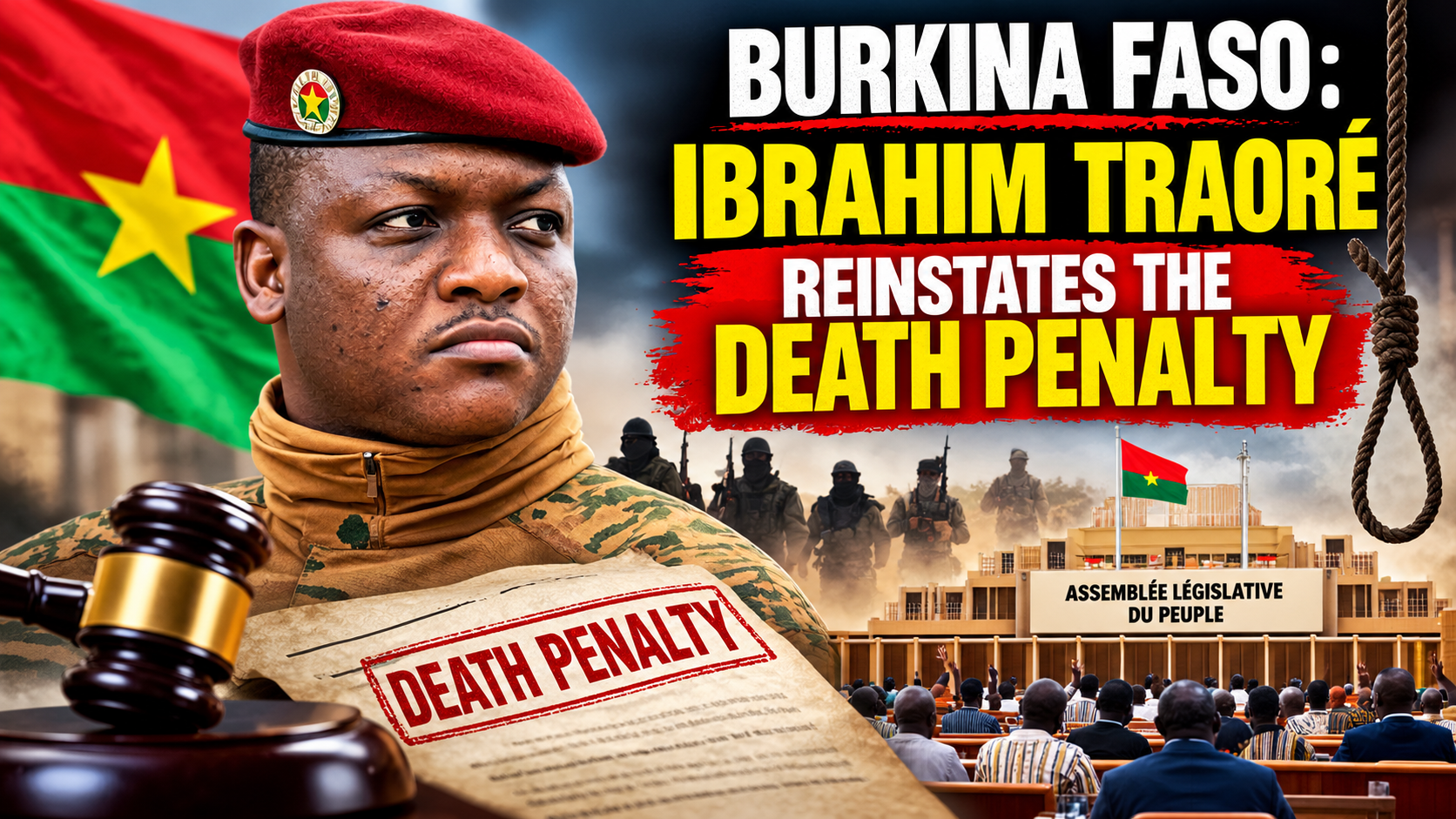
The Burkina Faso legislature’s unanimous vote to reinstate the death penalty in October 2026 marks a deliberate shift in the country’s judicial approach. Under the leadership of Captain Ibrahim Traoré, the regime has embraced increasingly punitive measures, positioning them as essential tools to combat terrorism, espionage, and other grave crimes. Yet this policy comes at a critical juncture, as the nation grapples with years of relentless attacks by armed groups and a collapsing sense of public safety.
The new penal code expands the scope of capital punishment beyond traditional crimes like treason and murder to include offenses such as the importation of contaminated or prohibited goods that result in death. Proponents argue that such sanctions are justified by the severity of the threats facing the country. However, the efficacy of this approach remains unproven.
The limits of harsh penalties in combating insurgency
While the death penalty may satisfy demands for retribution, its reintroduction does not address the structural weaknesses fueling Burkina Faso’s security crisis. The real challenges lie in intelligence gathering, military preparedness, and the state’s ability to assert control in vulnerable regions. Critics point out that without these foundational elements, punitive laws alone cannot prevent attacks or restore stability.
Effective governance in crisis conditions requires more than just fear-inducing penalties. It demands a justice system capable of delivering fair trials, a defense infrastructure resilient against abuse, and a commitment to transparency. An irreversible penalty like execution leaves no room for error making oversight and due process even more critical.
The troubling overlap of security and repression
The timing of this reform raises concerns about its broader implications. Alongside the death penalty, the revised penal code includes provisions that re-criminalize certain press offenses, echoing a broader pattern of restrictions on dissent. Reports of enforced conscriptions, arbitrary detentions of journalists, and intimidation of legal professionals have fueled suspicions that the regime is using security as a pretext to consolidate power.
In a functioning democracy, dissent and scrutiny are vital checks on state power. When legal reforms simultaneously tighten penalties and shrink civic freedoms, the line between protecting national security and silencing criticism becomes dangerously blurred.
Can Burkina Faso govern through fear and does it even work?
The central dilemma for Ibrahim Traoré’s administration is whether relying on severe penalties can foster the trust and stability citizens desperately need. Fear may suppress dissent, but it does not remedy the daily threats posed by armed groups. What Burkinabè families urgently require is a tangible reduction in violence security that allows markets to function, children to attend school, and communities to rebuild without constant terror.
The death penalty, by its very finality, underscores a fundamental tension: Is justice best served by ever-harsher punishments, or by a system that prioritizes accountability, fairness, and the prevention of future crimes? The answer will define not just Burkina Faso’s legal landscape, but its democratic future.
The road ahead: security without surrendering rights
For this reform to succeed, the Burkinabè government must do more than assert authority it must deliver measurable results. Strengthening intelligence, improving military coordination, and ensuring judicial independence are just as critical as the sanctions themselves. Otherwise, the revival of capital punishment risks becoming a symbolic gesture rather than a practical solution.
Security and liberty are not inherently opposed. They coexist when state power is wielded within a framework of accountability and respect for fundamental rights. Burkina Faso’s leaders face a defining challenge: to demonstrate that their approach enhances safety without eroding the very principles that sustain a just society.
By Moussa Samuel Coulibaly — Journalist