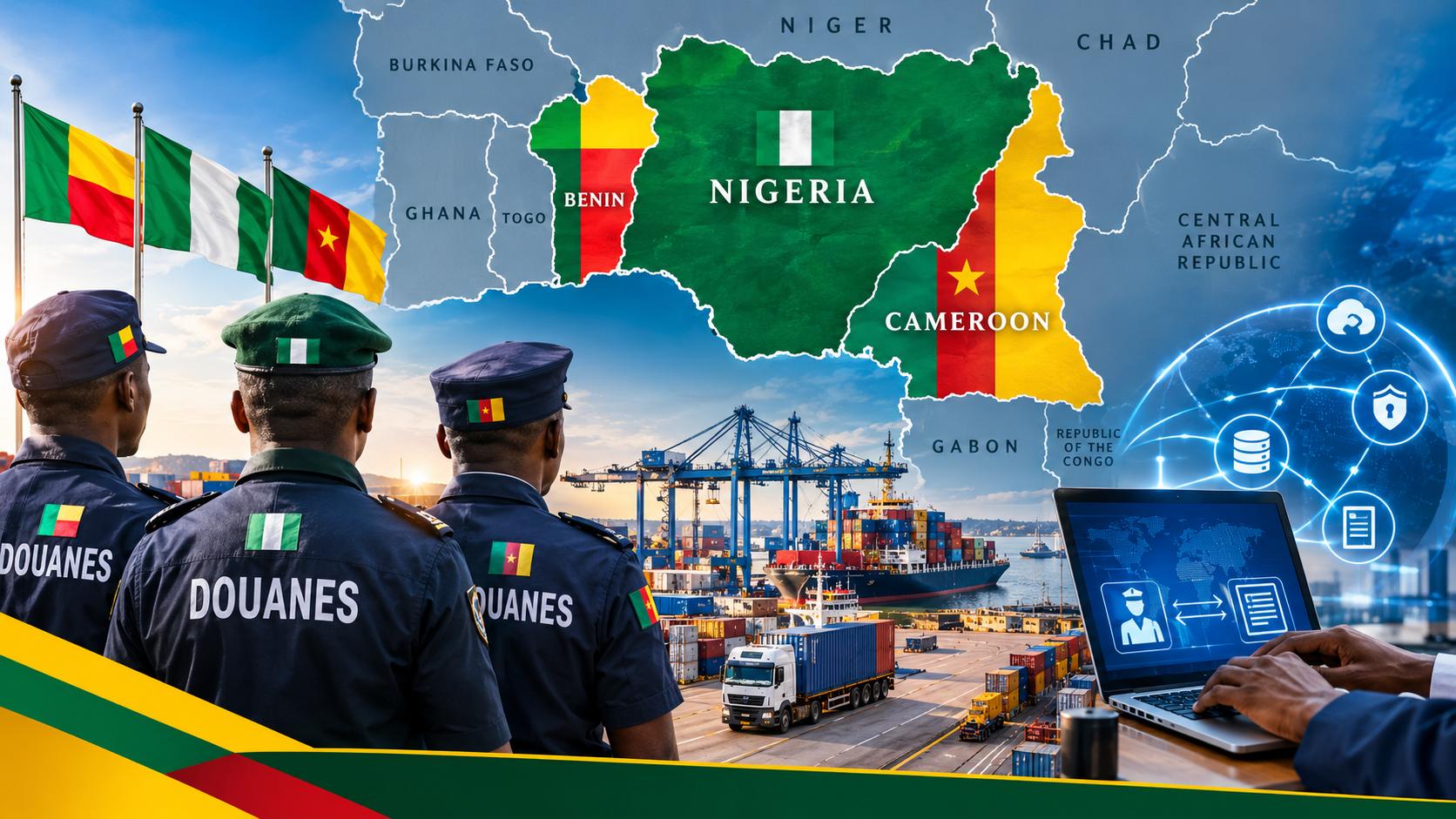

Uncovering the strategic motivations driving customs digital interconnectivity
While the announcement of interconnected customs systems between Benin, Nigeria and Cameroon captures public attention, the true significance of this initiative lies in the economic calculus behind it. The decision to integrate digital platforms is not merely a technical upgrade it represents a calculated response to systemic inefficiencies that have long impeded regional trade flows. By addressing the bottlenecks at border crossings, these countries are making a strategic bet on enhanced competitiveness and deeper regional integration.
Replacing paperwork with real-time data exchange: the mechanics behind streamlined clearance
At the heart of this transformation is the replacement of manual, paper-heavy processes with a unified digital framework. Traditional customs procedures in West and Central Africa have been plagued by redundant data entry, delayed information sharing and inconsistent verification methods. The new system aims to dissolve these barriers by enabling real-time transmission of trade documentation between customs authorities in Cotonou, Abuja and Yaoundé.
This shift has several immediate benefits for commercial operators:
Elimination of duplicate paperwork, reducing administrative overheads for businesses
Faster clearance times due to synchronized data validation across borders
Improved cargo tracking, minimizing the risk of lost or misplaced consignments
Stronger fraud detection through centralized inconsistency alerts
The role of Afreximbank: catalyzing regional trade transformation
Afreximbank’s involvement signals more than technical support it underscores the broader continental push to dismantle non-tariff trade barriers. By funding and structuring this initiative, the bank is positioning customs digitalization as a cornerstone of Africa’s trade facilitation agenda. The partnership reflects a recognition that digital infrastructure is not a luxury but a necessity for growth in an era where speed and transparency define competitiveness.
Yet, the success of this model will depend on overcoming persistent challenges:
Interoperability standards: ensuring all systems communicate seamlessly across national platforms
Cybersecurity protocols: safeguarding sensitive trade data from breaches or misuse
Human capital development: training customs officials to manage and leverage the new tools effectively
Legal alignment: harmonizing customs laws and procedures to avoid conflicting interpretations
Benin’s strategic leverage in a connected customs network
For Benin, positioned as a gateway between West and Central Africa, the initiative is particularly critical. The Port of Cotonou serves as a vital artery for goods moving between landlocked Sahelian nations and coastal markets. Any disruption in clearance processes at Benin’s borders directly impacts the supply chains of neighboring countries. By integrating its customs system with Nigeria and Cameroon, Benin stands to:
Increase its attractiveness as a trade hub by reducing transit times
Enhance predictability in trade operations for importers and exporters
Strengthen regional cooperation through shared best practices
Support the growth of small and medium-sized enterprises reliant on cross-border commerce
From vision to measurable impact: what success will look like
The true test of this digital integration will be measured not in press releases but in concrete outcomes. Key performance indicators will include:
Reduction in average customs clearance time for goods crossing Benin-Nigeria-Cameroon corridors
Decrease in reported discrepancies in trade documentation
Increase in the volume of goods processed through streamlined channels
Improvement in intra-regional trade flow statistics
For the project to achieve its potential, stakeholders must prioritize transparency in implementation, continuous stakeholder engagement and rigorous performance monitoring. Only then can these three nations transform a technical integration into a sustainable engine for economic growth.
The broader implications for African trade integration
This initiative is part of a larger trend where African nations are turning to technology to overcome structural barriers. Digital customs integration aligns with the African Continental Free Trade Area (AfCFTA) objectives by:
Reducing non-tariff barriers to intra-African trade
Enhancing regulatory transparency
Creating a more predictable business environment
Encouraging private sector participation in regional value chains
As Benin, Nigeria and Cameroon move forward, the rest of the continent will be watching closely. Their ability to execute this project effectively could set a precedent for how digital innovation can reshape trade across Africa’s diverse economic landscapes.
By Idriss MAMADOU — Journalist