
The hidden forces driving Mali’s livestock export ban uncovered
The Malian government’s decision to halt cattle exports for six months, renewable by default, isn’t just a market intervention—it’s a revealing admission of systemic failure. By placing the blame squarely on private entrepreneurs for rising meat prices, Bamako masks its inability to tackle the country’s real economic ailments: spiraling inflation, administrative chaos, and crumbling trade infrastructure. Rather than addressing the core issues fueling the crisis, officials have resorted to a blunt tool that undermines private investment, destabilizes regional trade relations, and undermines Mali’s own economic sovereignty.
How state interference is choking Mali’s vital livestock sector
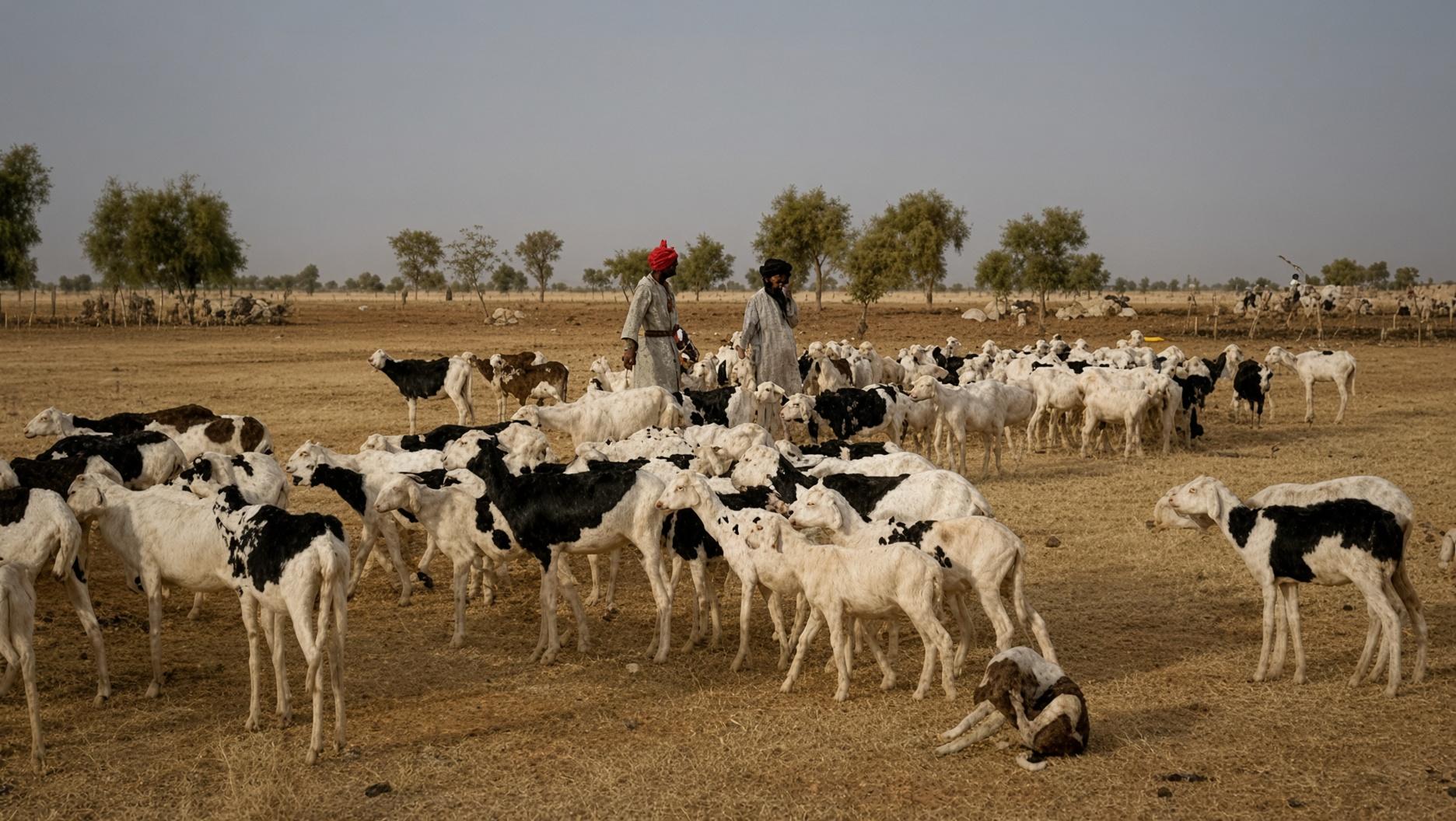
The livestock industry is no minor player in Mali’s economy—it accounts for over 15% of GDP and ranks as the country’s third-largest export earner, generating over $150 million annually. Yet instead of reinforcing this backbone sector, the state has chosen a path of strangulation. By abruptly halting cattle shipments to Senegal, Côte d’Ivoire, and Guinea, authorities have violated a fundamental right: the freedom to sell agricultural produce on competitive markets.
This decision doesn’t just disrupt trade flows; it triggers a domino effect of economic hardship:
- Artificial oversupply: Stockpiling of livestock within Mali without export outlets threatens to flood local markets, depressing prices and crushing farmer margins.
- Collapse of small operators: Transporters and traders, already battered by rising animal feed and fuel costs, now face an existential threat as their revenue streams vanish overnight.
- Erosion of investor trust: The abrupt policy shift sends a chilling message to agribusinesses and foreign investors: Mali’s regulatory environment is unpredictable and hostile to private enterprise.
The real reasons behind Mali’s soaring meat prices
If export bans aren’t the solution, what is driving the surge in meat prices? The answer lies in a web of self-inflicted problems:
Administrative mismanagement: Chaotic relocation of livestock markets has disrupted supply chains, creating bottlenecks and driving up costs.
Soaring input prices: Animal feed costs, particularly soymeal and maize, have surged due to global market dynamics and local supply chain disruptions.
Logistical terror: Highway extortion by armed groups and bandits inflates transport costs by up to 40%, a burden ultimately passed on to consumers.
Tax burden: Multiple levies and administrative fees at checkpoints add layers of cost, further eroding the competitiveness of Malian beef.
In short, the government’s failure to secure transport routes, streamline regulations, and reduce fiscal burdens is the true culprit behind spiraling meat prices—not the private sector.
Export bans: A failed policy with a long-term cost
History offers a stark warning: price controls and export restrictions have never succeeded. They stifle innovation, discourage investment, and guarantee future supply shortages. Consider the ramifications:
- Why would a farmer invest in modernizing cattle herds if ministers can arbitrarily block access to profitable regional markets?
- Why would regional buyers in Senegal or Côte d’Ivoire continue to source from Mali if supply becomes unreliable?
- Why would international investors consider Mali a stable partner when trade policies swing wildly based on political whims?
The export ban doesn’t just fail in the short term—it sabotages Mali’s long-term economic resilience. By strangling the private sector, the state risks transforming a once-thriving industry into a shadow of its former self, dependent on state handouts rather than market-driven growth.
A way forward: Empowering private actors, securing trade
To genuinely resolve the meat price crisis, Mali must abandon coercive tactics and embrace structural solutions. The blueprint for recovery is clear:
1. Restore freedom of trade
Reopen cattle export routes immediately and commit to no further unilateral bans. This sends a signal of stability to farmers and traders alike.
2. Secure transport corridors
Deploy joint military-civilian patrols on key highways, dismantle extortion rackets, and guarantee safe passage for livestock transporters. Reducing transport costs by 30% would lower meat prices at source.
3. Rationalize market infrastructure
End the policy of relocating livestock markets without consultation. Engage local stakeholders in planning to avoid disruptions that create artificial scarcities.
4. Cut administrative taxes
Eliminate redundant levies at regional and municipal levels. Streamline veterinary and health certification processes to reduce delays and costs.
5. Invest in feed security
Support local production of animal feed crops through subsidized inputs and irrigation programs, reducing reliance on volatile global markets.
The choice is stark: Mali can continue down the path of economic dirigisme, sacrificing private initiative on the altar of short-term political convenience. Or it can empower its livestock sector by trusting its entrepreneurs and aligning policy with economic reality. The latter is the only route to sustainable growth—and affordable meat for its citizens.