
Behind the massive seizures: what Burkina Faso’s contraband crackdown revealed
The Burkina Faso customs service has uncovered a striking reality behind its recent crackdown on illegal trade. Over three months, authorities intercepted goods worth more than 10 billion West African CFA francs, exposing not just the scale of smuggling networks but the dangerous consequences for public health, economic stability, and national security. This operation, presented in Ouagadougou, lifts the veil on the complex, often shadowy supply chains fueling contraband across the country.
How the operation uncovered a web of prohibited goods
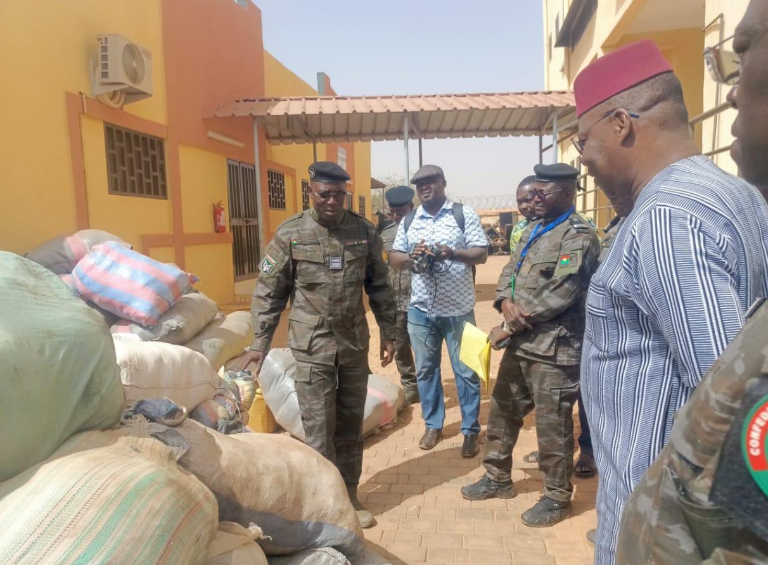
The Directorate General of Customs (DGD) of Burkina Faso concluded its special operation « Magnan » on October 15, 2026, following a three-month campaign launched on July 10. The final tally: goods valued at over 10.8 billion FCFA seized, a figure that underscores both the ambition of the crackdown and the sophistication of the smuggling rings operating undetected for years. These interceptions spanned a wide range of prohibited items, from counterfeit medications to industrial chemicals, explosives, and basic consumer goods.
Each category reveals a different layer of the smuggling economy — one that thrives where regulatory oversight is weak and demand for cheap or hard-to-find goods runs high. The diversity of the haul is not just a logistical challenge for authorities; it reveals a systemic problem that threatens the integrity of Burkina Faso’s formal economy and the safety of its citizens.
Pharmaceuticals top the list: the dangerous trade in fake and unregulated drugs
Among the most alarming discoveries was the interception of over 4.2 million tablets of Tapentadol, a prescription opioid, alone accounting for a large share of the total seized value. Authorities also confiscated more than 11 tons of counterfeit drugs, worth approximately 1.1 billion FCFA. These figures point to a thriving black market in pharmaceuticals, where unregulated, potentially adulterated medications circulate freely, endangering public health.
The risks are significant: from incorrect dosages and toxic ingredients to unsterile production conditions, these products pose immediate threats to consumers. For a country still recovering from health crises and facing shortages of legitimate medical supplies, the infiltration of fake and smuggled drugs into local markets is more than a financial crime — it is a public health emergency in the making.
Beyond medicine: smuggling’s hidden victims — food, fuel, and dangerous chemicals
The crackdown did not stop at pharmaceuticals. Authorities also seized substantial quantities of narcotics, including cocaine and cannabis, along with industrial chemicals such as cyanide and mercury — substances with lethal potential if misused or diverted. Explosives and related equipment were also recovered, raising concerns about the security threats posed by unregulated arms and ordnance trafficking.
Agricultural inputs were also targeted, including over 500 tons of unregulated fertilizers and nearly 490 tons of rice, alongside thousands of liters of adulterated cooking oil. The presence of banned pesticides and counterfeit educational materials further illustrates how contraband permeates daily life in Burkina Faso, affecting farmers, families, and students alike.
This broad spectrum of seized goods highlights a critical truth: smuggling is not confined to luxury or niche markets. It thrives in the shadows of ordinary commerce, exploiting gaps in border control, corruption, and consumer desperation for cheaper alternatives.
The economic ripple effect: why fake goods hurt honest businesses and the state
The surge in smuggling is not just a law enforcement issue — it is an economic threat. By circumventing taxes, tariffs, and quality controls, black-market operators undercut legal businesses, creating unfair competition and eroding state revenue crucial for national development. Every ton of smuggled rice or bottle of counterfeit medicine sold means lost income for legitimate traders and reduced funds for public services like healthcare and education.
In agriculture, the use of uncertified fertilizers or pesticides can lead to soil degradation, poor crop yields, and long-term environmental damage. For consumers, the proliferation of counterfeit goods — from food to electronics — erodes trust in local brands and increases health risks. The consequences are felt not only in markets but across entire communities, where unsafe products and unfair competition destabilize livelihoods and economic growth.
The path forward: turning interceptions into lasting change
The « Magnan » operation represents a significant victory in the fight against contraband, but it is only the beginning. To dismantle these networks permanently, authorities must go beyond seizures and focus on intelligence, collaboration, and long-term prevention.
That means strengthening interagency cooperation between customs, police, health regulators, and financial crime units to trace the money, dismantle supply chains, and hold masterminds accountable. It also requires investing in digital tracking systems, inspecting more shipments, and raising public awareness about the dangers of counterfeit and smuggled goods.
Only a coordinated, sustained effort can transform these short-term gains into durable protection for Burkina Faso’s economy, its people, and its future.