
Understanding the government’s hardline response to urban violence
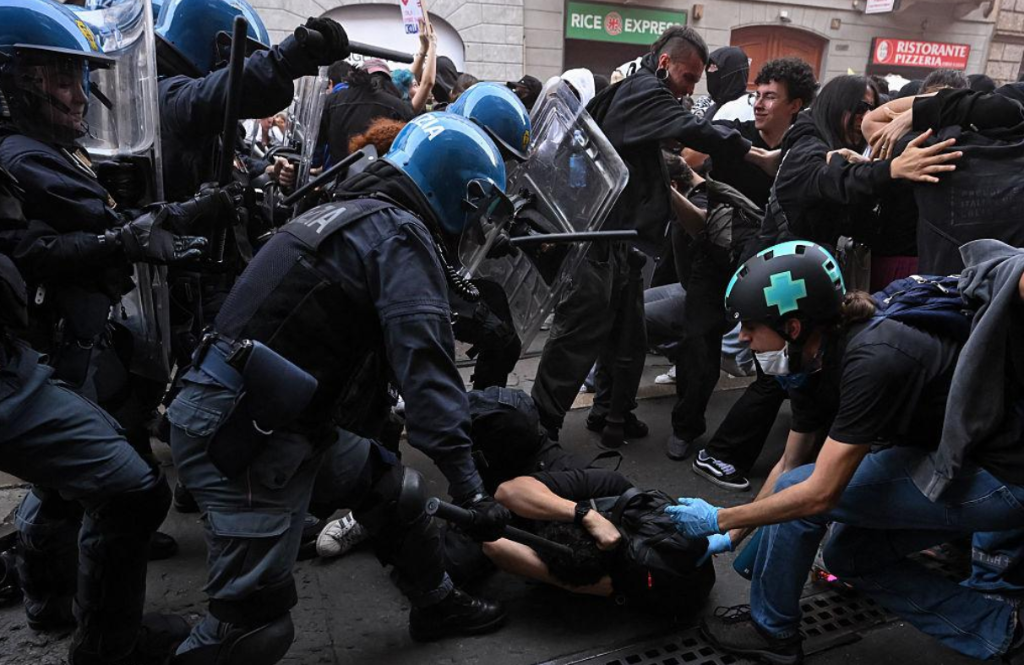
In the wake of riots that erupted in Milan and other northern cities, Italy’s executive branch has taken decisive action. A sweeping new security decree, approved on 20 October 2026, introduces harsher penalties, expands parental responsibility, and increases surveillance. While the government frames the move as necessary for restoring public order, critics warn it risks undermining fundamental freedoms.
What the new law actually changes
The decree introduces several significant adjustments to Italy’s legal framework, particularly targeting collective violence, minor offenders, and the role of families. Among the most notable provisions:
- Enhanced penalties for group violence: Participation in violent gatherings involving at least five individuals could lead to up to five years in prison and fines of up to €20,000. Penalties escalate if masks are worn or injuries occur during clashes.
- Crackdown on organisers and online incitement: The law criminalises the planning or promotion of violent protests, including through digital channels, with sentences ranging from four to twelve years.
- Expanding liability for minors: Parents may now face financial penalties for damages caused by their children under 18, while prosecutors gain broader powers to detain minors aged 14-17 preemptively if deemed a threat.
Milan becomes the frontline of Italy’s new security strategy
Milan, the epicentre of recent unrest, is also the first city to experience the immediate effects of these changes. The government has deployed 500 additional military personnel under Strade Sicure (Safe Streets), a security initiative aimed at reinforcing surveillance in high-risk areas and protecting public spaces and businesses.
The recent disturbances left a trail of broken storefronts and injured police officers, but the protests also reflected deeper societal frustrations tied to economic hardship. Rising living costs, energy prices, and housing shortages have fueled public anger, raising questions about whether a purely punitive approach addresses the root causes of unrest.
When security measures clash with civil liberties
Critics argue the government’s approach overreaches, particularly concerning minors and parental responsibility. Legal experts question whether financial sanctions on families—regardless of intent—will effectively deter youth violence or simply penalise vulnerable households. The decree also raises concerns about preventive detention, with some legal scholars warning of potential violations of due process.
The government has walked back some proposals under pressure, notably rejecting plans to grant military personnel expanded policing powers in Milan, following objections from constitutional authorities. Still, the law enters into force immediately, pending parliamentary review and conversion into permanent legislation—a process that must be completed within 60 days.
What happens next? Balancing security with democratic values
As the new measures take effect, the challenge for Italy will be to evaluate their impact. Will the decree reduce urban violence, or could it stifle legitimate dissent? The government insists its goal is to distinguish between peaceful protest and criminal behaviour, but the debate over proportionality is far from settled. For now, Italy stands at a crossroads between enforcing order and preserving the freedoms it seeks to protect.