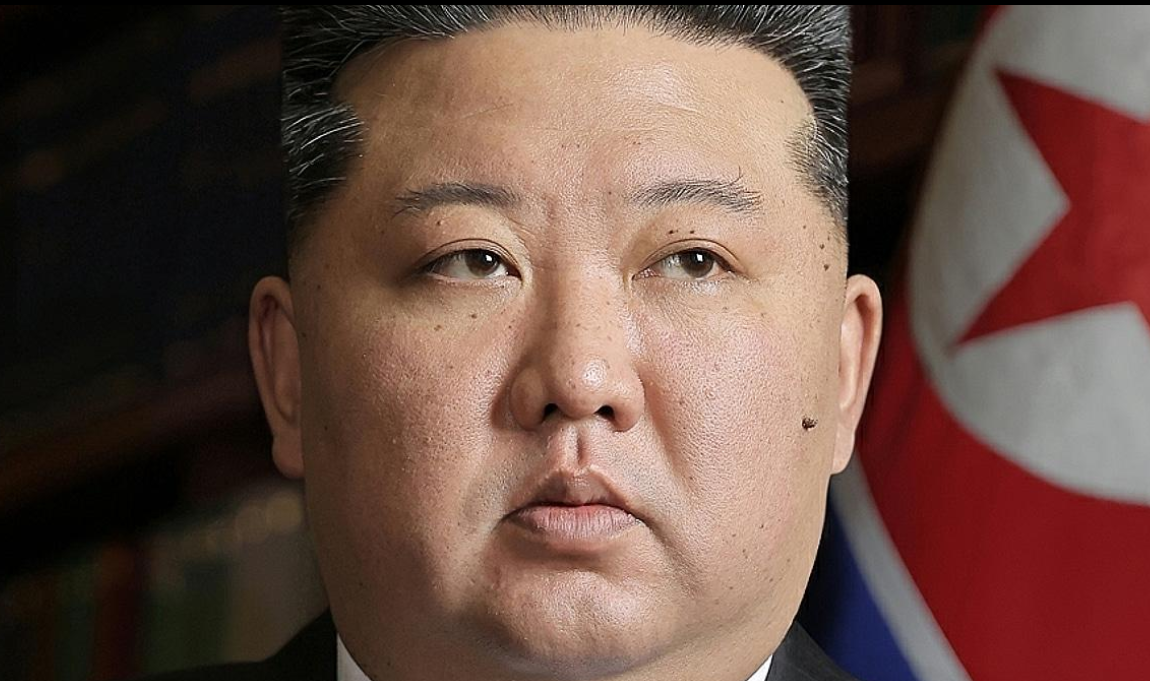

Behind the carefully constructed secrecy of Pyongyang, whispers are growing louder—this time about Kim Jong-un’s health. Reports of a severe cerebral hemorrhage followed by a coma, allegedly requiring urgent medical evacuation to Beijing, have sent shockwaves through international observers. Yet, in the absence of official confirmation, these claims remain in a dangerous gray zone between rumor and geopolitical flashpoint.
What do we truly know about the reported health crisis of North Korea’s enigmatic leader? How did unverified claims about a medical emergency spiral into global concern, and what do they reveal about the inner workings of a regime built on absolute control and information blackouts?
From social media shock to diplomatic concern
The current wave of speculation traces back to social media posts, where former Chinese dissident Wanjun Xie—now based in the United States—allegedly claimed that Kim Jong-un had suffered a massive stroke, fallen into a coma, and been secretly transported to Beijing’s Peking Union Medical College Hospital for emergency treatment. The choice of facility, one of China’s most advanced medical centers, adds weight to the narrative, suggesting a perceived need for capabilities beyond what North Korea’s medical system could provide.
Yet, as with previous rumors about the North Korean leader’s health, these claims circulate in an information vacuum. Without independent medical reports, verified travel records, or statements from either Pyongyang or Beijing, the story remains unverified. The rapid amplification of the claim by international outlets highlights how a single unverified leak can ignite global speculation—especially when it involves a figure as isolated and consequential as Kim Jong-un.
The power of absence and the fragility of secrecy
In North Korea, the leader’s health isn’t just a private matter—it’s a state secret. Kim Jong-un’s public appearances are meticulously staged, his movements scripted, and his physical condition meticulously curated. Any deviation from this carefully controlled image triggers immediate speculation: Is he ill? Is the regime unstable? Could succession be in play?
This dynamic was on full display on October 20, when state-run media released photographs purporting to show Kim Jong-un visiting an exhibition in Pyongyang, accompanied by his daughter, Ju-ae. The images were meant to counter the most alarmist rumors—but they also underscored a troubling truth: in the absence of transparency, even staged events can become fodder for doubt.
While the photos provide a rare glimpse into recent public activity, they offer no medical insight. They do, however, illustrate how easily perception can diverge from reality in a system where truth is weaponized and controlled.
The shadow of inherited health risks
The concerns surrounding Kim Jong-un’s health extend beyond the current rumors. Since assuming power in 2011, his physical condition has been a recurring topic of analysis—his weight, his gait, and even his occasional use of a cane have fueled endless commentary. Intelligence assessments, including those attributed to South Korean agencies, have long warned about potential cardiovascular risks linked to obesity and lifestyle factors.
These concerns are not unfounded. Kim Jong-un’s father, Kim Jong-il, died in 2011 from complications related to poor health after years of erratic leadership and suspected health issues. The shadow of his predecessor’s sudden death still looms over Pyongyang, reinforcing the idea that health crises can precipitate rapid political shifts.
Yet, despite these historical parallels, no medical records or official diagnoses have surfaced to confirm the current allegations. The absence of evidence does not erase the anxiety it has provoked—especially among neighbors like China, South Korea, and the United States, who monitor every signal from North Korea for clues about its nuclear ambitions and internal stability.
What the regime fears most: the specter of succession
A sustained health crisis involving Kim Jong-un would not just be a medical emergency—it would be a political earthquake. Power in North Korea is not institutionalized; it is concentrated in the hands of a small, tightly knit leadership circle centered on the Kim family. With no clear successor designated, any incapacitation could trigger a dangerous power struggle.Kim Yo-jong, Kim Jong-un’s influential sister, has emerged as a prominent figure in the regime’s hierarchy, often appearing at his side during official events. His daughter, Ju-ae, has also been featured more frequently in state media, prompting speculation about a possible dynastic transition. Yet, these observations remain speculative. North Korea’s opaque political culture offers no public roadmap for succession, and any attempt to predict the outcome would be premature at best.The implications of such a transition extend far beyond Pyongyang. Regional powers like China, South Korea, and the United States would closely scrutinize any leadership change, particularly in the context of North Korea’s nuclear program and its unpredictable foreign policy. The fear of instability could trigger diplomatic maneuvers, sanctions speculation, or even covert operations—all based on unconfirmed reports.Why unverified claims carry real-world consequences
In an era of instant communication, unconfirmed rumors can shape real-world outcomes. Financial markets react to uncertainty. Diplomats prepare contingency plans. Intelligence agencies re-evaluate threat assessments. And in the case of North Korea, the stakes couldn’t be higher.Yet, journalism demands rigor. Without verifiable evidence, rumors must remain speculative. The alleged cerebral hemorrhage, the coma, and the medical evacuation to Beijing—these remain claims, not facts. Until independent confirmation arrives, the prudent approach is to treat them as such.
One thing, however, is certain: in a regime built on secrecy and control, the truth about Kim Jong-un’s health may never emerge—at least not until it’s too late.