
Hidden motivations fueling the surge in civilian casualties in Mali
Behind every statistic of civilian harm in Mali’s conflict lies a complex web of motivations and systemic failures. A new investigation reveals how long-standing grievances, shifting alliances, and operational shortcomings have converged to intensify violence against non-combatants in central and northern regions. The findings uncover why the protection of civilians has become one of the most pressing humanitarian challenges in the Sahel.
What the latest evidence reveals about military operations
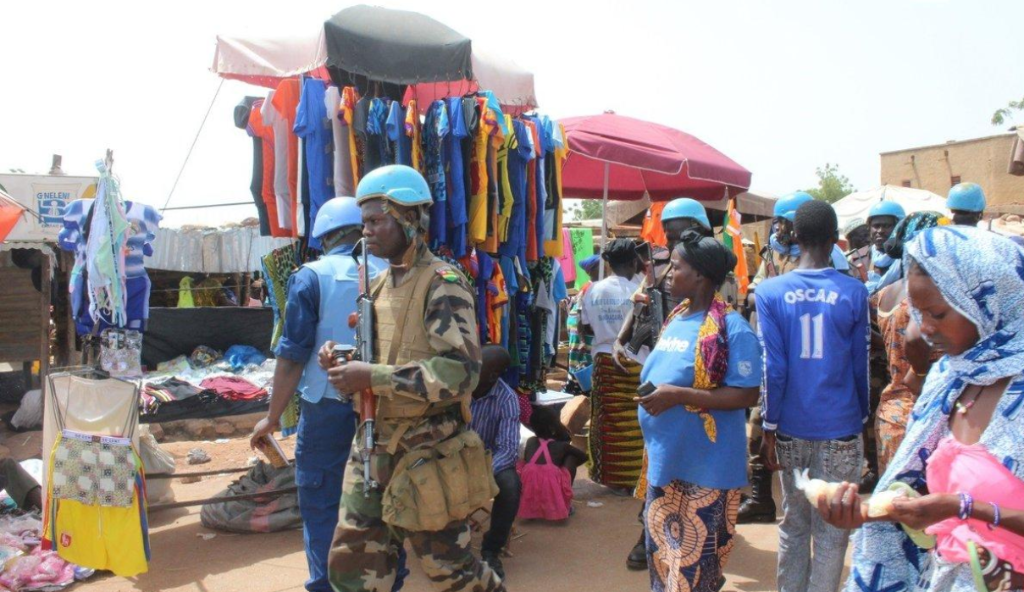
Newly compiled data and witness accounts show a troubling pattern of strikes targeting civilian gatherings, often under questionable pretexts. One of the most alarming incidents occurred on August 19, 2026, when a drone strike hit the livestock market in Tombonkore, Bandiagara region. Six civilians were killed and over twenty injured, with stalls, motorcycles, and livestock destroyed. Crucially, no armed group presence was confirmed at the scene, raising serious concerns about adherence to international humanitarian law.
In a separate case on July 29, a military drone reportedly struck a health center in Talahandak, Kidal region. The facility was treating civilians and housed medical supplies. Such targeted infrastructure destruction only deepens healthcare access challenges in areas already under severe strain due to insecurity. The incident underscores how vital civilian protections are being violated despite explicit legal safeguards.
When mistakes lead to tragedy: civilian deaths during military engagement
Even the best-intentioned operations can go wrong. On July 12, soldiers in the Ségou region opened fire near the village of Niono, killing five girls aged 10 to 13 who were working in a rice field. Officials later offered apologies, citing confusion with attackers after an earlier ambush. Yet this tragic mistake raises urgent questions about targeting protocols and the ability to distinguish combatants from civilians during fast-moving operations.
Alleged abuses by allied militias complicate accountability
Collaborations with local defense groups are meant to enhance security, but recent accounts suggest they may also be contributing to civilian harm. Between July 27 and 28, members of the Dozo militias—officially aligned with government forces—were implicated in the deaths of three civilians in the Mopti region. The circumstances surrounding these incidents remain murky, demanding thorough independent investigations to clarify responsibility and prevent recurrence.
Insurgent violence: the other side of the civilian crisis
The conflict’s most devastating effects are not borne solely by government actions. Armed groups operating across northern Mali continue to commit grave violations against non-combatants. On July 18, near Tabrichat in the Gao region, militants overran a military convoy and tortured and executed at least 19 prisoners. Such acts violate the core principles of humane treatment for detained individuals, a cornerstone of international humanitarian law.
These abuses reflect a broader pattern: despite ideological differences, all armed factions—state-backed, allied militias, and insurgent groups—are increasingly disregarding protections for civilians. The failure to uphold these standards not only deepens suffering but erodes public trust in institutions meant to safeguard communities.
Why regional institutions must take urgent action
The responsibility to protect civilians cannot fall solely on local authorities. Regional bodies, particularly the African Union, play a critical role in enforcing accountability and ensuring compliance with humanitarian norms. High-level engagement is needed to establish transparent mechanisms for monitoring abuses, conducting impartial investigations, and delivering justice for victims.
This includes regular public reporting on enforcement actions and holding all parties—regardless of affiliation or stated mission—to account. Failure to act risks normalizing civilian harm as an inevitable consequence of conflict, rather than a preventable tragedy that demands immediate intervention.
Who bears witness to these violations?
The latest findings are based on extensive fieldwork and interviews conducted between July 30 and September 20, 2026. Researchers met with 30 individuals, including abuse witnesses, human rights defenders, community leaders, journalists, and a Malian military source. Documentary evidence such as photographs and videos of multiple incidents was also analyzed to corroborate accounts and reconstruct events.
The path forward: from exposure to enforcement
While documentation is critical, it is only the first step. The real challenge lies in transforming awareness into action. Ensuring independent probes, delivering reparations to victims, and implementing reforms in security operations are essential to break the cycle of impunity. Without these steps, the civilian toll will continue to rise, and the foundations of trust in Mali’s peace and security architecture will weaken further.
As long as all parties continue to operate outside the bounds of international law, civilians remain trapped in the crossfire. Regional institutions must act now—not with rhetoric, but with concrete, verifiable commitments—to protect those most vulnerable in one of Africa’s most enduring conflicts.