
The human cost behind the strike: investigating the casualties and damage
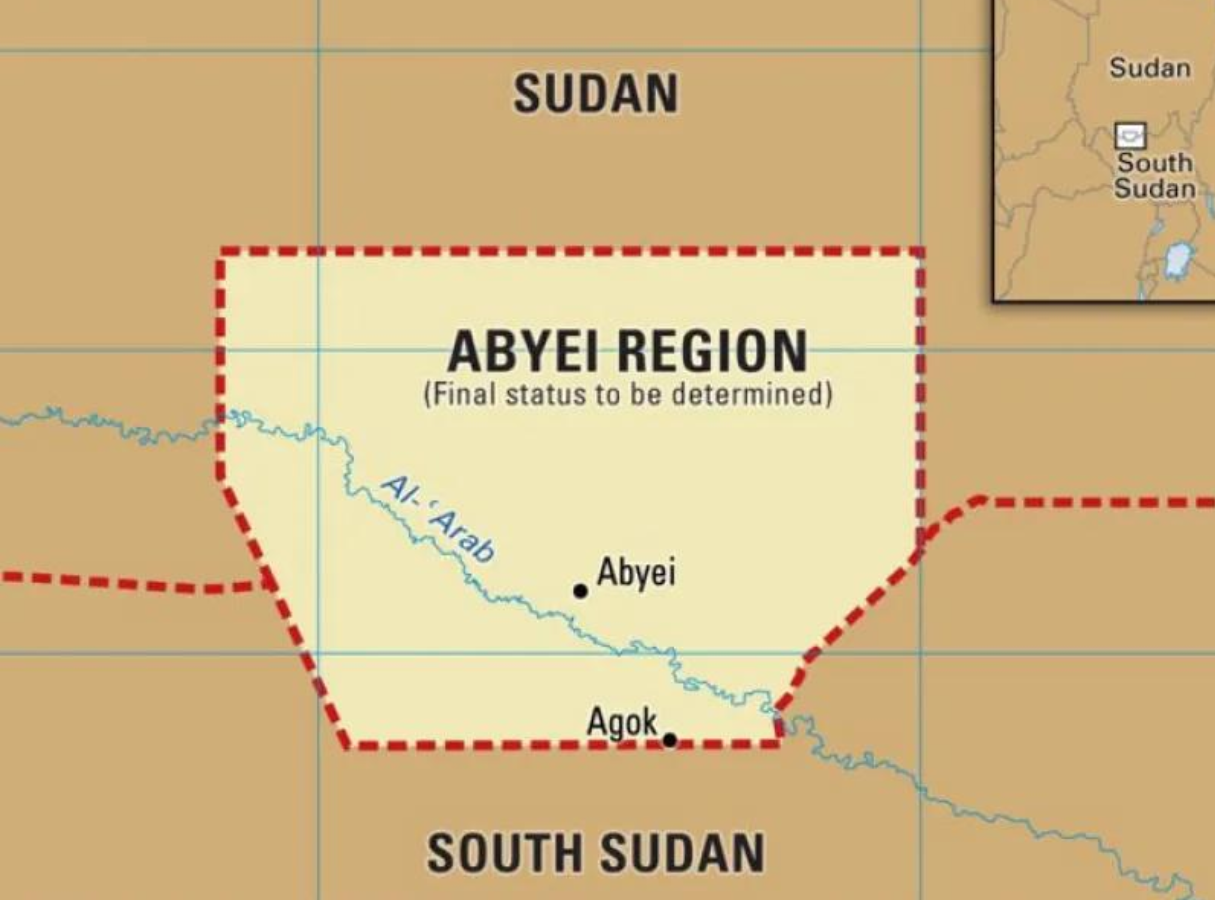
An airstrike on the bustling Amiet market in Abyei, a contested border region between Sudan and South Sudan, has left at least 73 civilians dead and 19 injured. The attack, which struck key commercial and fuel trade zones during peak hours, has raised urgent questions about its true objectives and the long-term consequences for regional stability.
A market in ruins: what the attack destroyed
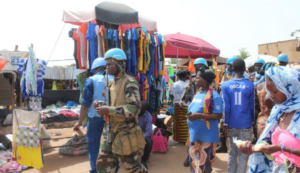
Witnesses describe the strike as beginning around 11:30 a.m. local time, targeting multiple sections of the market. Fuel storage areas caught fire, hampering rescue efforts and releasing thick smoke that delayed the recovery of victims. The market, a vital hub for food, medicine, construction materials, and fuel, serves communities on both sides of the border, including traders from Sudan and South Sudan.
Initial reports suggest the attack may have disrupted fuel supplies to broader areas, though the extent of this impact remains unclear. While local authorities in Abyei have attributed the strike to Sudanese armed forces, no independent confirmation has been verified as of October 20.
The political fallout: Juba’s swift diplomatic response
South Sudan’s government wasted no time condemning the incident. On October 19, officials summoned the Sudanese ambassador in Juba to lodge an official protest, emphasizing the indiscriminate nature of the attack and demanding strict adherence to international humanitarian law. The move signals Juba’s determination to address the crisis without resorting to immediate retaliatory measures.
Calling for restraint: avoiding a wider regional escalation
The Ministry of Foreign Affairs demanded that Khartoum refrain from further actions endangering civilian lives or destabilizing Abyei. Authorities reiterated the need to resolve territorial disputes through diplomatic channels, highlighting the fragile balance between economic ties and historical grievances that continue to strain relations between the two nations.
Abyei’s persistent conflict: why this region remains a flashpoint
Abyei has been a longstanding unresolved issue since South Sudan’s 2011 independence. Its strategic importance—rooted in oil resources, trade routes, and cross-border economic networks—keeps it at the center of tensions. Despite provisional agreements, competing political interests, citizenship disputes, and the shifting dynamics of Sudan’s ongoing civil war have further complicated efforts to secure lasting peace.
How the Sudan war complicates the Abyei equation
The conflict in Sudan, pitting the national army against the Rapid Support Forces (RSF), has disrupted trade flows and displaced thousands. For communities in Abyei, these disruptions have translated into shortages of essential goods, including fuel and medical supplies. The strike on Amiet market may reflect broader military strategies, though its civilian toll underscores the risks faced by non-combatants caught in the crossfire.
Legal and moral imperatives: protecting civilians in wartime
The principles of international humanitarian law require parties in conflict to distinguish between military targets and civilian infrastructure. While investigations continue, the strike on Amiet market raises critical concerns about whether adequate precautions were taken to minimize harm to civilians. The lack of clarity surrounding the intended targets further complicates efforts to hold any party accountable.
What’s next: from investigation to accountability
Immediate priorities include treating the wounded, identifying victims, and establishing a definitive death toll. An independent inquiry is essential to determine the circumstances of the attack, the identities of those responsible, and whether any violations of international law occurred. Without such measures, the tragedy risks becoming another unanswered question in a region already burdened by protracted conflict.
As families await news of their loved ones and relief teams work through challenges posed by smoke and damaged infrastructure, one question lingers: Will this tragedy lead to meaningful change, or will it fade into the backdrop of a crisis that has already claimed too many lives?