
The recent claims by the Group for the Support of Islam and Muslims (JNIM)—Al-Qaeda’s Sahel affiliate—exposing vulnerabilities in Burkina Faso’s defense strategy reveal a deeper, systemic issue plaguing the nation’s fight against terror. While the latest attacks near Fada N’Gourma and in Bam Province may seem isolated, they underscore a troubling pattern that extends far beyond mere firefights. What lies beneath the surface is a sophisticated campaign of sabotage, designed to destabilize both military operations and civilian life.
Behind the explosions: how improvised explosive devices are reshaping Burkina Faso’s conflict
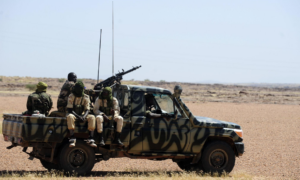
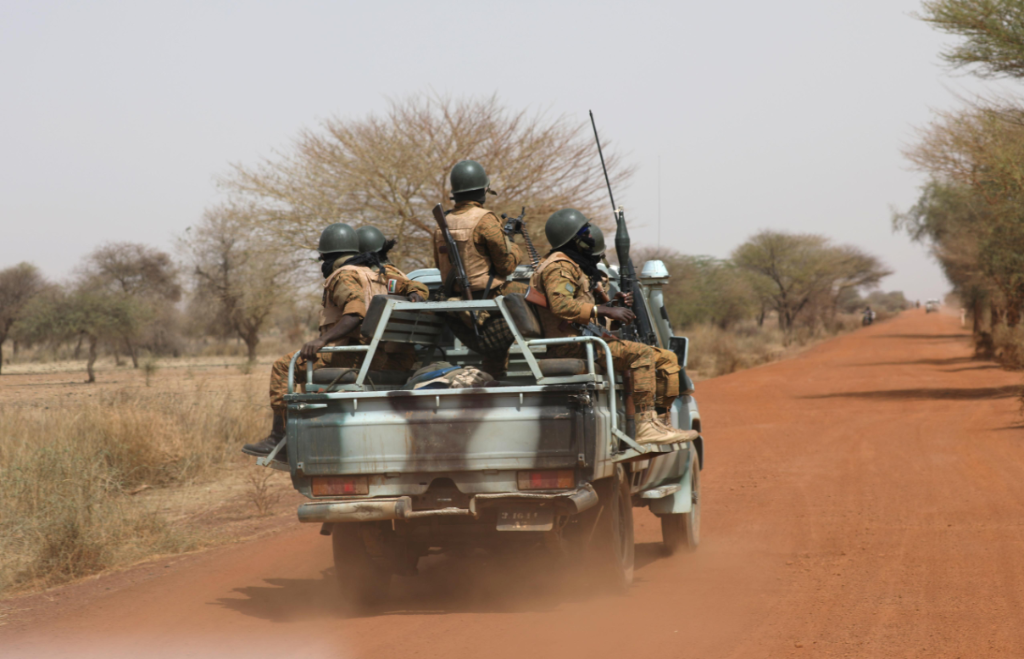
The JNIM’s announcement of a destroyed army armored vehicle near Fada N’Gourma is more than a tactical victory—it’s a strategic blow to Burkina Faso’s military mobility. Located in the country’s eastern reaches, Fada N’Gourma serves as a critical logistical hub, connecting key trade and transport routes. The use of improvised explosive devices (IEDs) in this area signals a deliberate shift by the group: away from direct confrontations, toward ambushes and roadside attacks that disrupt supply chains and erode public confidence in security forces.
While the full extent of the damage remains unverified, the tactic itself highlights a growing dilemma for Burkina Faso’s military. Even with armored protections, convoys and patrols remain vulnerable in terrain where IEDs can be concealed with deadly precision. The psychological impact—on both soldiers and civilians—may be as damaging as the physical losses.
Bam Province: a flashpoint for jihadist advances and civil defense weaknesses
In Bam Province, the JNIM’s reported killing of three local militiamen—part of the Voluntaires pour la défense de la patrie (VDP)—exposes another critical weakness: the reliance on civilian auxiliaries in high-risk zones. These fighters, often untrained in counter-terrorism, are thrust into the front lines with minimal support, making them easy targets for better-armed jihadist cells. The militants’ claim of seizing automatic weapons from the VDP adds a dangerous dimension: the looting of arms not only boosts their arsenal but also fuels a cycle of retaliation and destabilization.
What remains unclear is the exact location and circumstances of the attack. Yet one thing is certain: the loss of life, whether confirmed or not, sends a chilling message to communities already living under threat. The JNIM’s dual tactics—targeting military hardware in transit and striking civilian defense forces—reveal a calculated strategy to stretch Burkina Faso’s security apparatus to its breaking point.
The ripple effect: how jihadist violence disrupts lives and livelihoods
Beyond the immediate casualties, the broader impact of these attacks is reshaping Burkina Faso’s social and economic landscape. Regions like the East, North, and Center-North—long plagued by intermittent violence—now face a new reality: isolated villages, severed supply routes, and shuttered markets. Schools close, healthcare services falter, and agricultural cycles are disrupted, forcing families into displacement or deepening poverty.
For displaced civilians, survival depends on access to food, clean water, and medical care—resources that become increasingly scarce as aid organizations scale back due to insecurity. The JNIM’s actions, whether verified or exaggerated, contribute to a climate of fear that stifles recovery efforts. Restoring trust in the state’s ability to protect its citizens is now as vital as military operations.
What’s at stake for Burkina Faso’s future
The JNIM’s latest claims are a stark reminder: Burkina Faso’s battle against extremism is not just about firepower. It’s about intelligence, adaptability, and the resilience of its institutions. The destruction of an armored vehicle or the loss of militiamen may seem like tactical setbacks, but they reflect deeper failures: gaps in surveillance, overstretched defense forces, and the inability to secure vulnerable corridors.
For authorities, the challenge is twofold: contain the violence while addressing the root causes that allow groups like the JNIM to gain traction. This requires more than boots on the ground—it demands a coordinated effort to protect civilians, restore essential services, and rebuild the social fabric in conflict zones. Until then, the shadow of jihadist sabotage will continue to loom large over Burkina Faso’s path to stability.